 1 hour
 Available languages: English
 Start: Taiji Whale Museum
 1-6
1-6 Private

 Immediate Booking
  Request Booking
Experience details
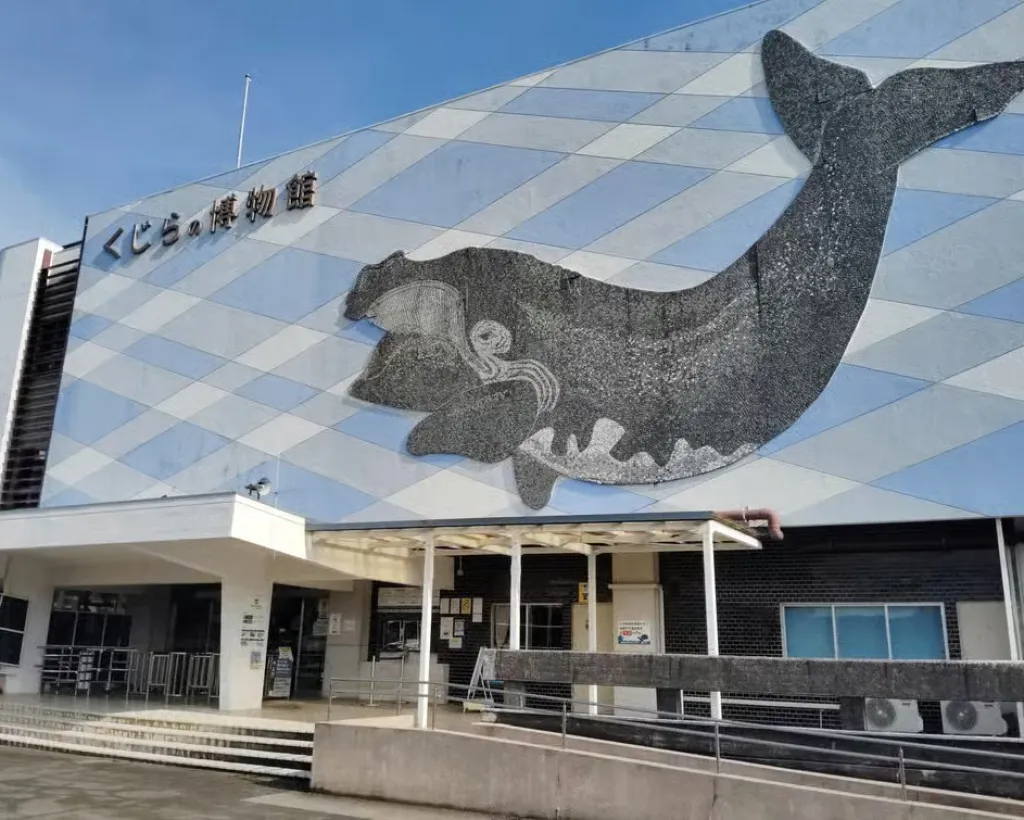
Explore the Taiji Whale Museum, a remarkable institution that invites visitors not to take sides, but to understand — to see the deep cultural, scientific, and spiritual ties between humans and whales that have shaped this community for over 400 years.
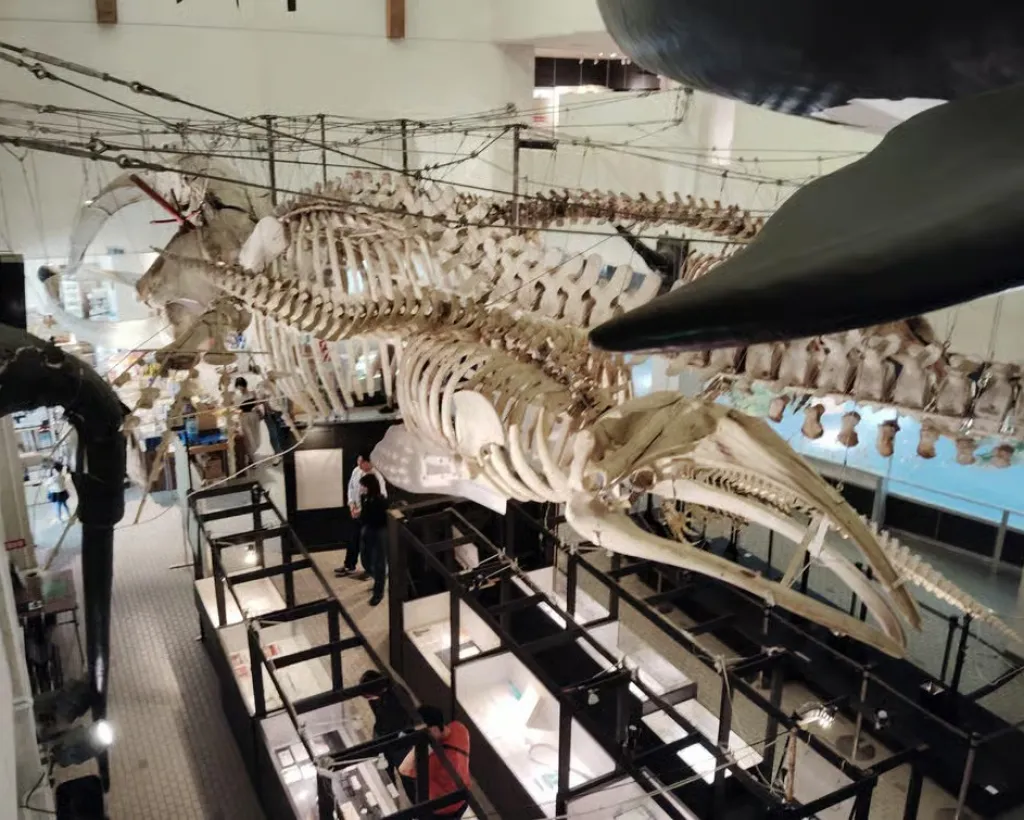
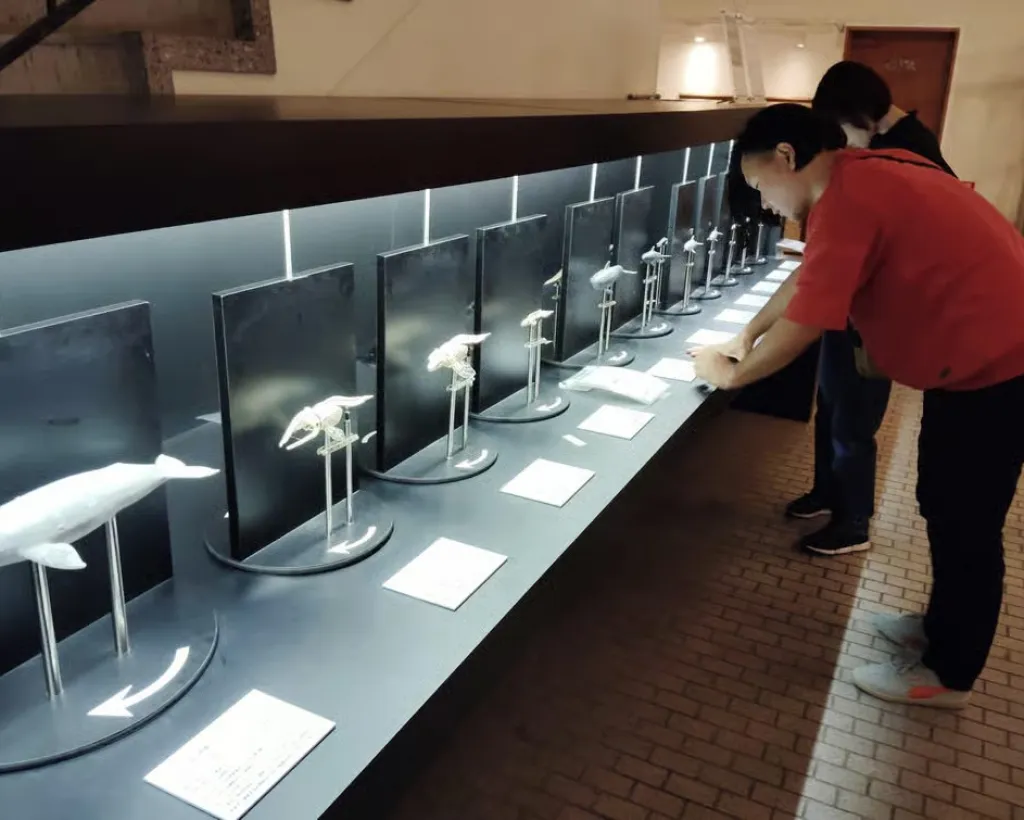
Led by a local guide deeply familiar with the town’s history, explore the museum’s vast collection that bridges biology and culture. The second floor introduces the whale as a creature of science — a mammal of astonishing evolution, descended from land-dwelling ancestors, and a symbol of adaptation itself. Learn about the differences between toothed and baleen whales, between dolphins and whales, and how each species has found its niche in the great web of marine life.
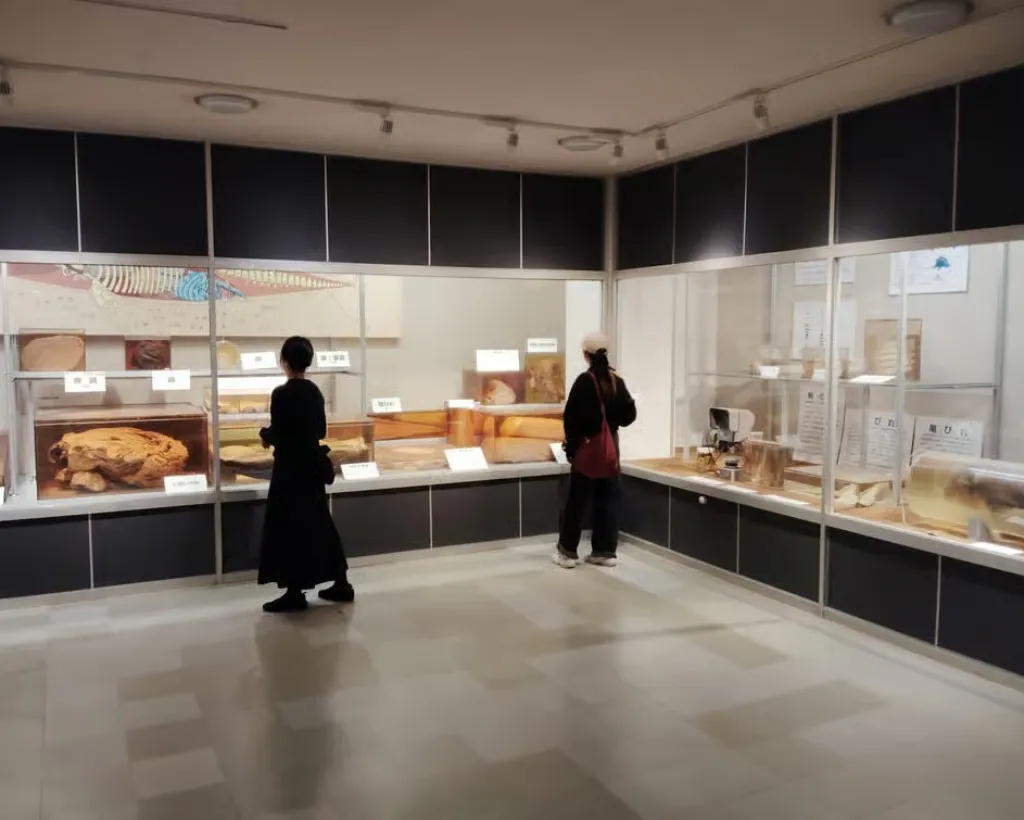
Moving upward, the exhibits reveal another layer — the story of people and whales. Through preserved materials, historic tools, and detailed displays, see how every part of the whale was once used with reverence: oil for lamps, meat for sustenance, bones and baleen for tools and art. The exhibits neither glorify nor hide the past; instead, they show how coastal communities like Taiji lived in intimate dependence on the sea long before modern supply chains existed. It is a reminder that what may seem controversial today has long roots in necessity, tradition, and respect for nature’s cycles.
As the tour continues, your guide will explain Japan’s present-day research whaling, which the museum carefully presents within the context of marine conservation and scientific study. While opinions around the world may differ, this experience invites travelers to look beyond headlines and to consider the complexities of human survival, cultural identity, and environmental stewardship.
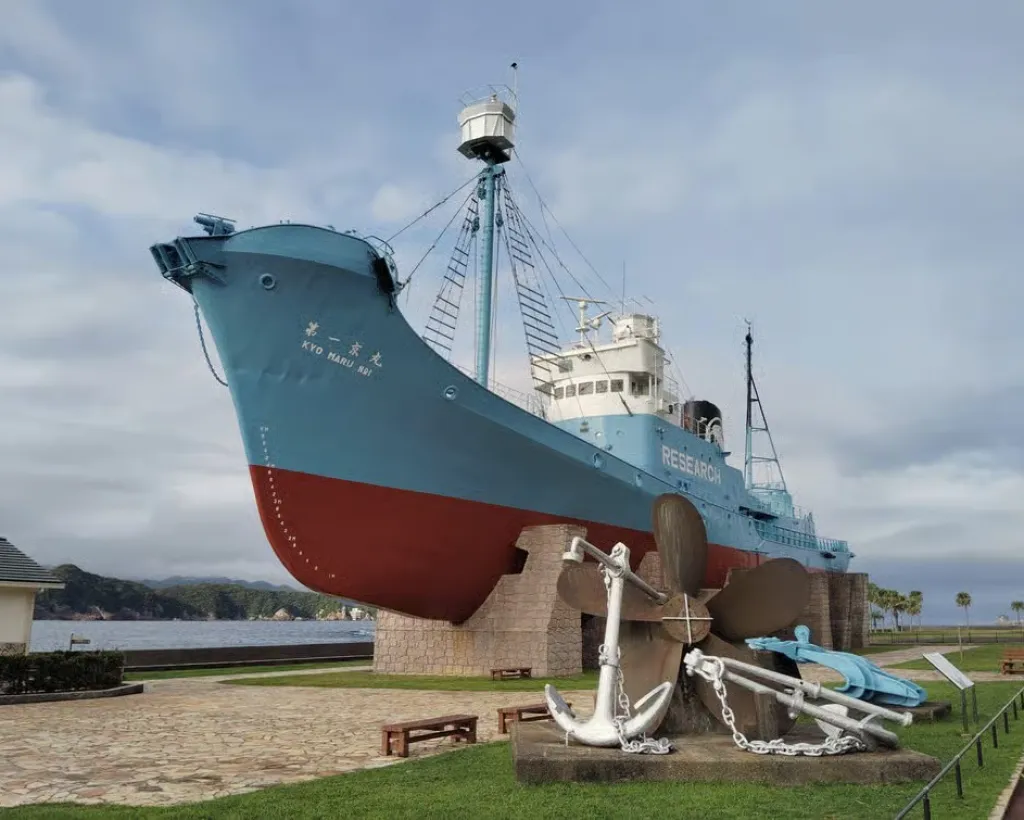
The tour concludes with a visit to the whale and dolphin shows, which showcase the intelligence and grace of these animals, and finally the Daiichi Kyōmaru, an actual whaling vessel preserved as a historical exhibit. Standing beside the ship, imagine the courage and hardship of those who once sailed into the open Pacific — men whose lives were inseparable from the rhythms of wind and sea.
Led by a local guide deeply familiar with the town’s history, explore the museum’s vast collection that bridges biology and culture. The second floor introduces the whale as a creature of science — a mammal of astonishing evolution, descended from land-dwelling ancestors, and a symbol of adaptation itself. Learn about the differences between toothed and baleen whales, between dolphins and whales, and how each species has found its niche in the great web of marine life.
Moving upward, the exhibits reveal another layer — the story of people and whales. Through preserved materials, historic tools, and detailed displays, see how every part of the whale was once used with reverence: oil for lamps, meat for sustenance, bones and baleen for tools and art. The exhibits neither glorify nor hide the past; instead, they show how coastal communities like Taiji lived in intimate dependence on the sea long before modern supply chains existed. It is a reminder that what may seem controversial today has long roots in necessity, tradition, and respect for nature’s cycles.
As the tour continues, your guide will explain Japan’s present-day research whaling, which the museum carefully presents within the context of marine conservation and scientific study. While opinions around the world may differ, this experience invites travelers to look beyond headlines and to consider the complexities of human survival, cultural identity, and environmental stewardship.
The tour concludes with a visit to the whale and dolphin shows, which showcase the intelligence and grace of these animals, and finally the Daiichi Kyōmaru, an actual whaling vessel preserved as a historical exhibit. Standing beside the ship, imagine the courage and hardship of those who once sailed into the open Pacific — men whose lives were inseparable from the rhythms of wind and sea.