 1 hour
 Available languages: English
 Start: Kinokuni Fruits Village
 1~6
1~6 Private


 Immediate Booking
  Request Booking
Experience details
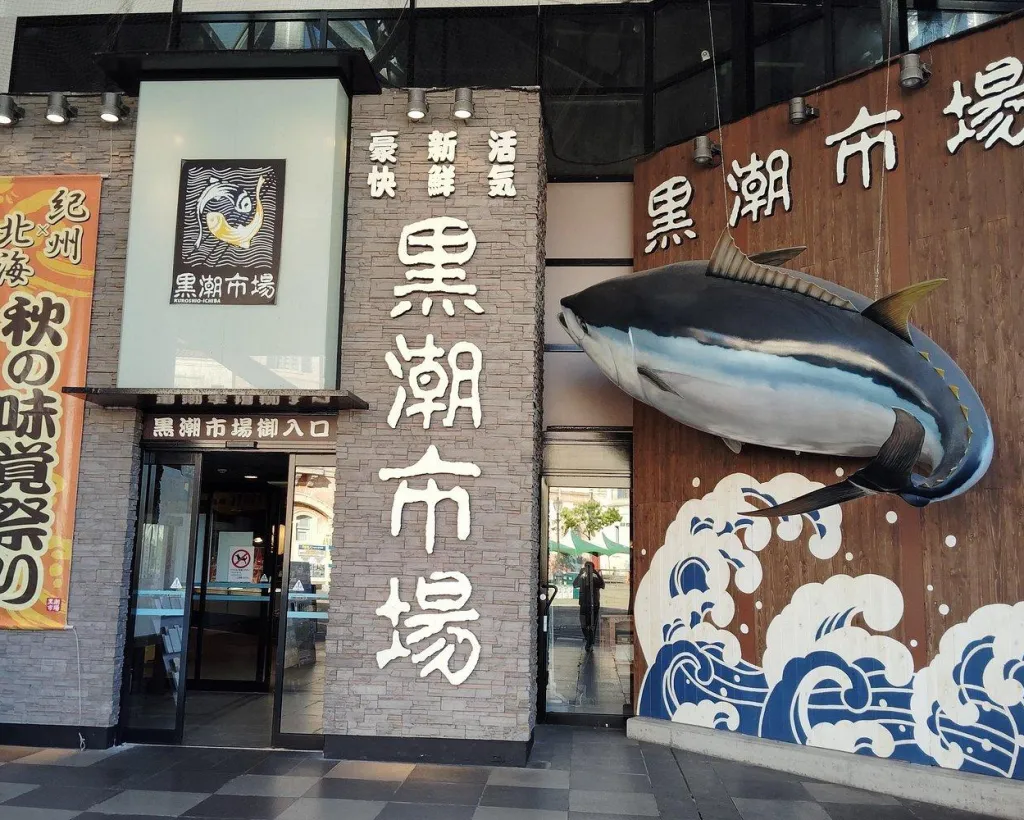
Step into the vibrant Kuroshio Market in Wakayama, where Japan’s centuries-old relationship with the ocean unfolds in full color. Led by a local professional deeply familiar with Japan’s fishing and culinary traditions, embark on an intimate journey through the heart of Japanese seafood culture—its flavors, its rituals, and its philosophy.
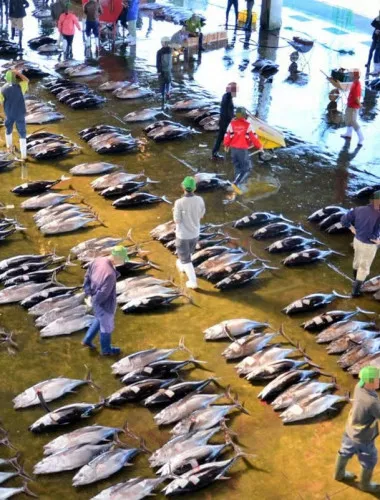
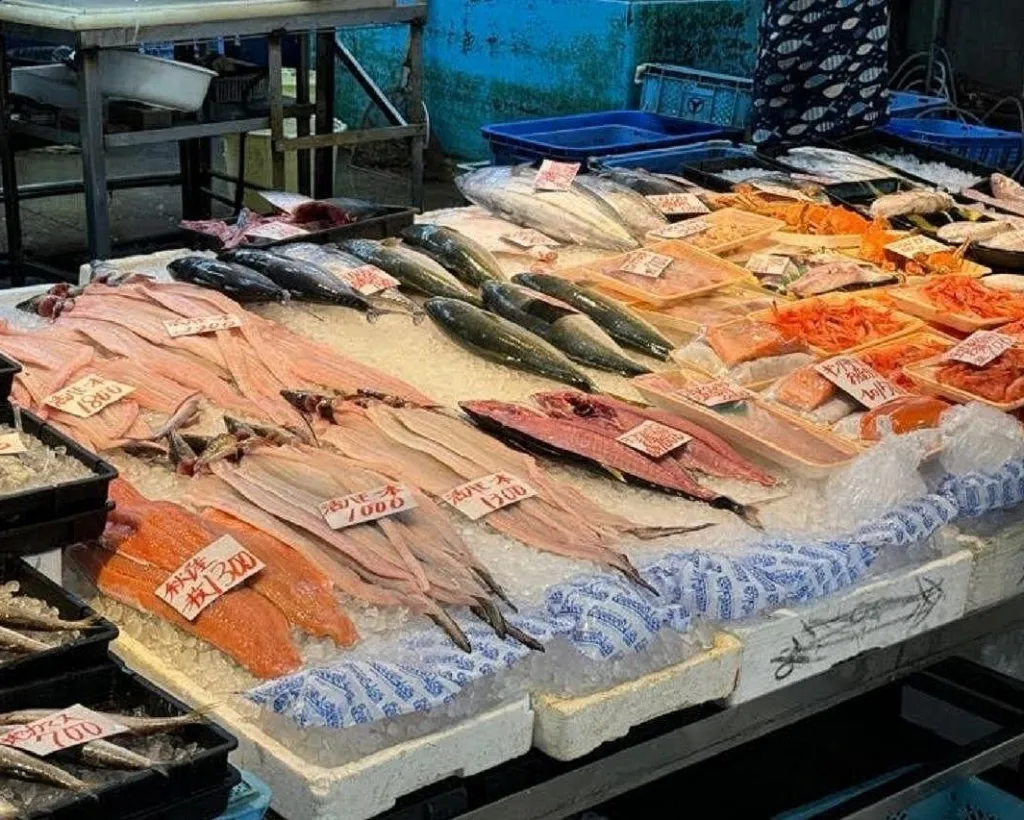
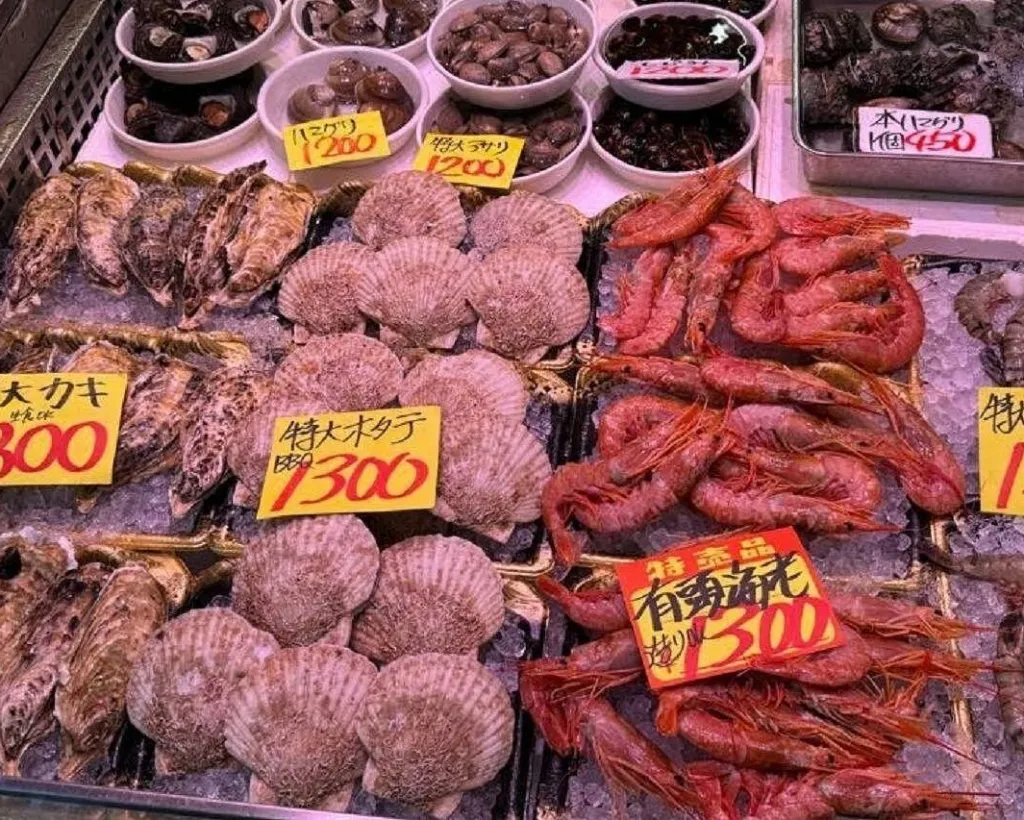
As you enter the market, breathe in the scent of salt, hear the calls of vendors, and see the gleam of freshly caught fish laid over ice. Begin not with recipes but with origins—how Japan’s long, narrow geography and contrasting ocean currents have created one of the most diverse marine ecosystems on Earth.
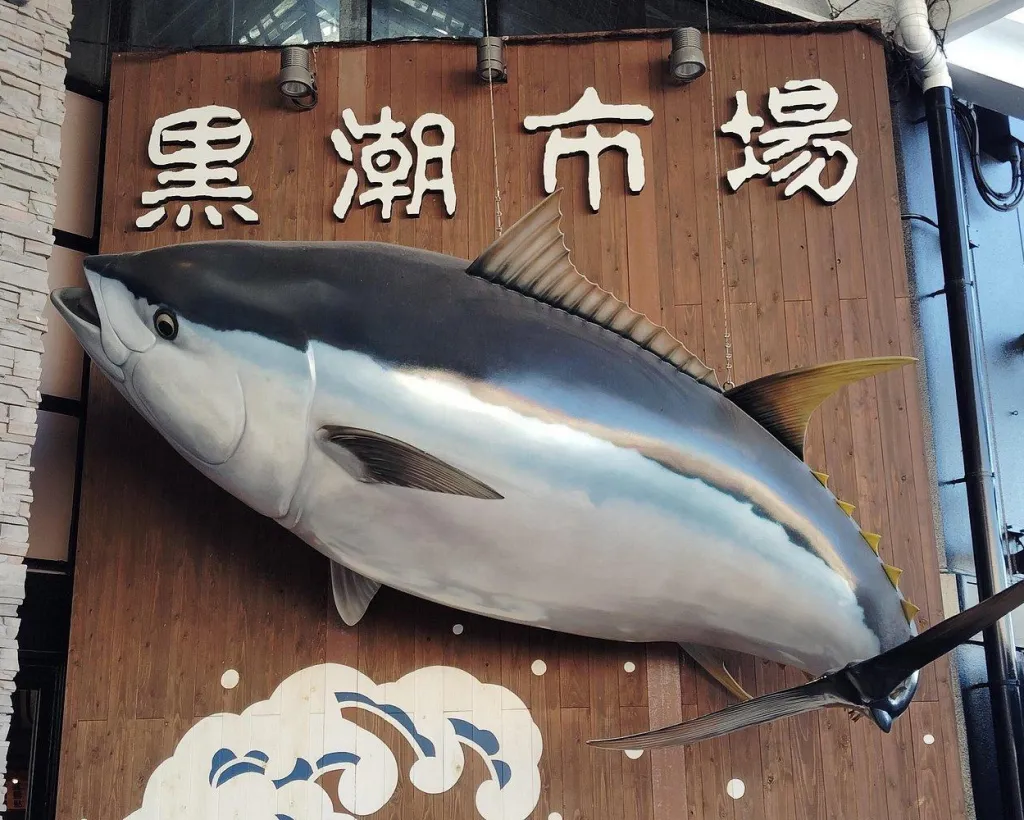
Learn how the Kuroshio Current, the “Black Stream” that gives this market its name, flows from the tropics past the Kii Peninsula, shaping not only local fisheries but the very character of Japanese cuisine. It’s this warm current that brings tuna, cutlassfish, and sea bream to Wakayama’s coasts, defining the region’s flavor and identity.
Hear how Japanese fishermen once read the tides by moonlight, how families preserved fish through salting and fermenting long before refrigeration, and how a single species like tuna can have dozens of cuts and cultural meanings. Even the common word sakana—meaning both “fish” and “the thing you eat with sake”—reveals how deeply seafood is woven into Japan’s social fabric.
Walking between the stalls, see how Japan’s seafood culture is not static but constantly evolving. The guide may point to imported salmon and explain how Japan, once a nation of coastal subsistence, has become a global seafood hub—balancing tradition with modern trade. At another stall, you might encounter local kue (longtooth grouper), prized for its delicate flavor, and hear how it has long been reserved for winter feasts and weddings, symbolizing good fortune.
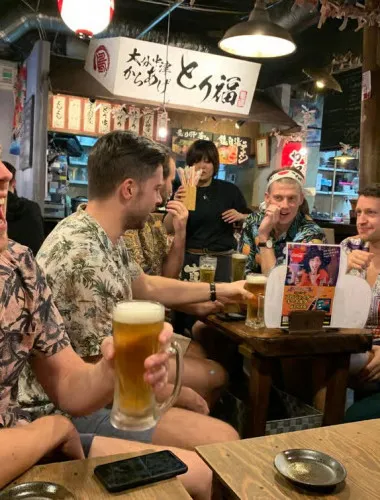
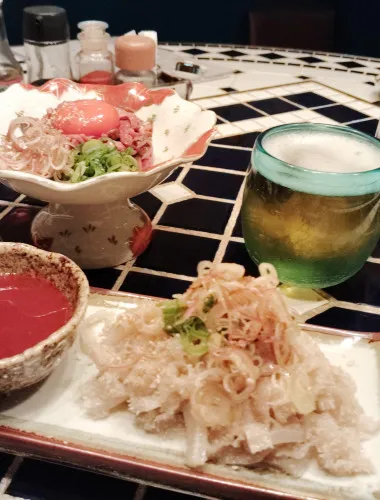
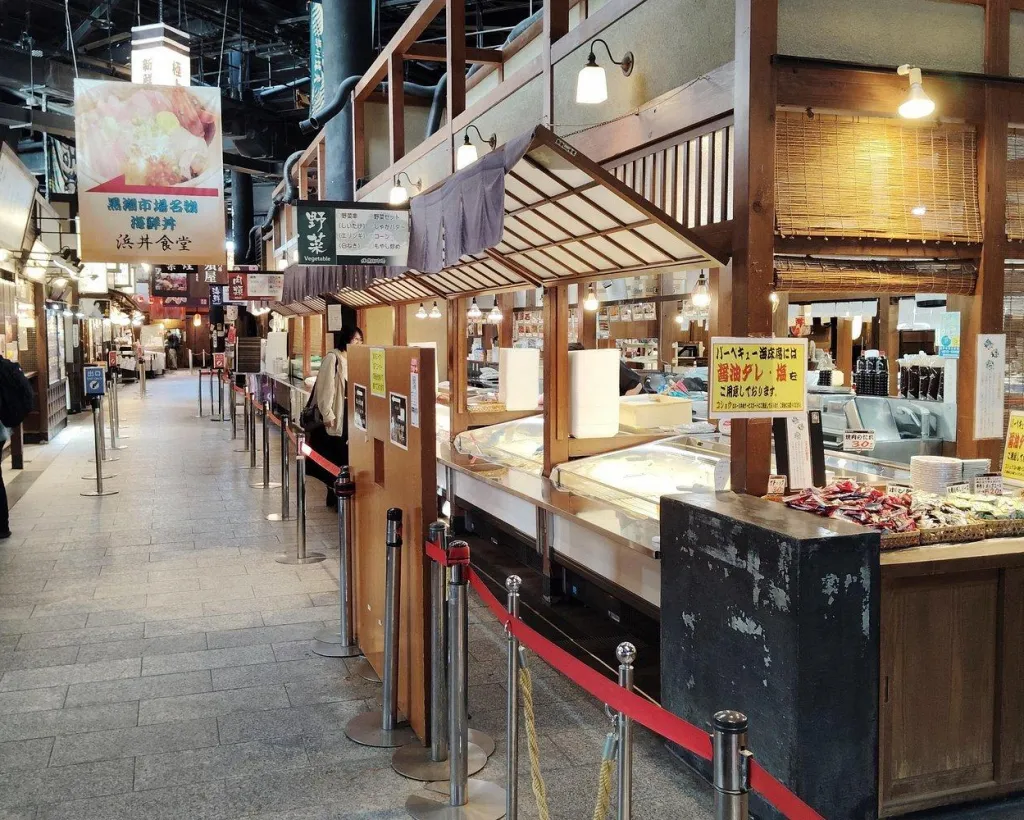
The experience culminates not in a lecture but a meal. With a 3,000-yen meal credit included, choose your own encounter with the sea—perhaps a seafood bowl layered with gleaming slices of maguro and tai, or a humble set meal where grilled fish and miso soup meet perfectly in balance. As you eat, continue to learn about what makes Japanese dining unique: the attention to seasonality (shun), the restraint of flavor that lets ingredients speak for themselves, and the spiritual core of itadakimasu—not “thank you for the food,” but “I humbly receive this life.”
As you enter the market, breathe in the scent of salt, hear the calls of vendors, and see the gleam of freshly caught fish laid over ice. Begin not with recipes but with origins—how Japan’s long, narrow geography and contrasting ocean currents have created one of the most diverse marine ecosystems on Earth.
Learn how the Kuroshio Current, the “Black Stream” that gives this market its name, flows from the tropics past the Kii Peninsula, shaping not only local fisheries but the very character of Japanese cuisine. It’s this warm current that brings tuna, cutlassfish, and sea bream to Wakayama’s coasts, defining the region’s flavor and identity.
Hear how Japanese fishermen once read the tides by moonlight, how families preserved fish through salting and fermenting long before refrigeration, and how a single species like tuna can have dozens of cuts and cultural meanings. Even the common word sakana—meaning both “fish” and “the thing you eat with sake”—reveals how deeply seafood is woven into Japan’s social fabric.
Walking between the stalls, see how Japan’s seafood culture is not static but constantly evolving. The guide may point to imported salmon and explain how Japan, once a nation of coastal subsistence, has become a global seafood hub—balancing tradition with modern trade. At another stall, you might encounter local kue (longtooth grouper), prized for its delicate flavor, and hear how it has long been reserved for winter feasts and weddings, symbolizing good fortune.
The experience culminates not in a lecture but a meal. With a 3,000-yen meal credit included, choose your own encounter with the sea—perhaps a seafood bowl layered with gleaming slices of maguro and tai, or a humble set meal where grilled fish and miso soup meet perfectly in balance. As you eat, continue to learn about what makes Japanese dining unique: the attention to seasonality (shun), the restraint of flavor that lets ingredients speak for themselves, and the spiritual core of itadakimasu—not “thank you for the food,” but “I humbly receive this life.”