


 3 - 3.5 hours
 Available languages: English
 1-6
1-6

 Immediate Booking
  Request Booking
Experience details
Begin your tour near the Shinkyo Bridge, long regarded as the symbolic boundary between the human world and the mountains revered as divine. Learn about Nikko as a place shaped first by nature worship and ascetic practice rather than by samurai power.
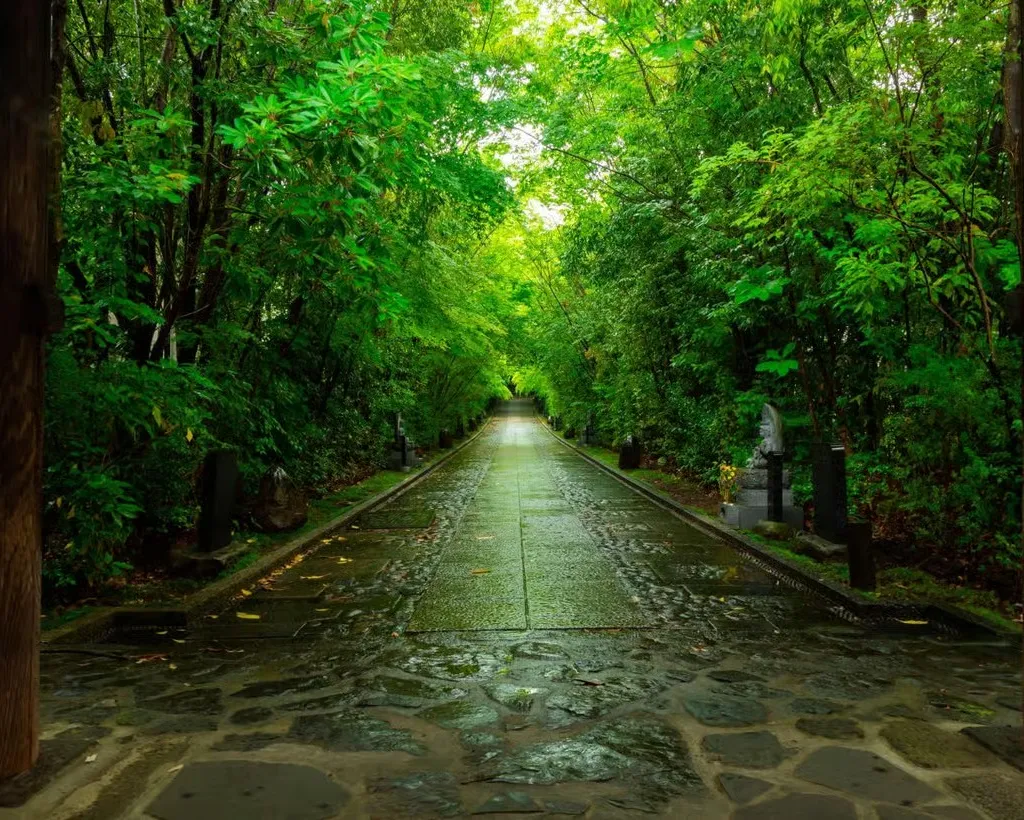
Long before the rise of the Tokugawa shogunate, these forested mountains were considered a spiritual realm where Buddhist monks and mountain ascetics sought enlightenment through rigorous training, and where Shinto and Buddhism gradually fused into a uniquely Japanese form of religious expression.
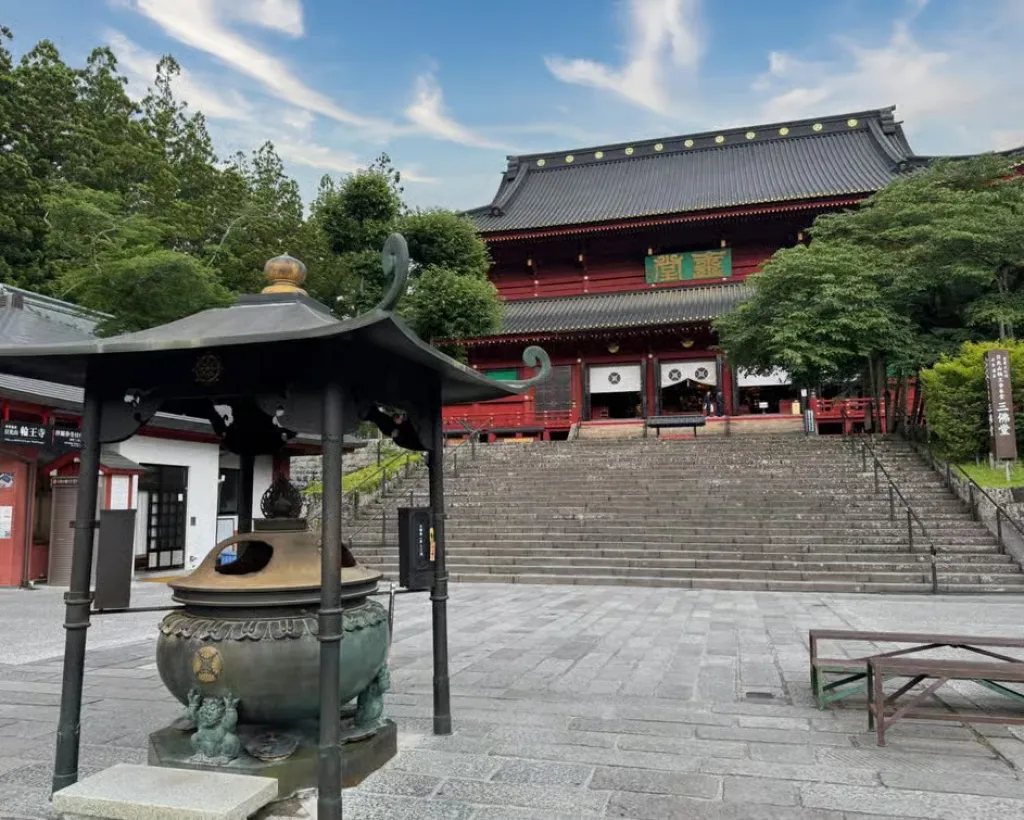
This foundation becomes tangible at Rinno-ji Temple, the oldest and most influential Buddhist institution in Nikko, where visitors encounter the memory of a time when the area functioned as a center of prayer, healing, and mountain devotion rather than a political monument.
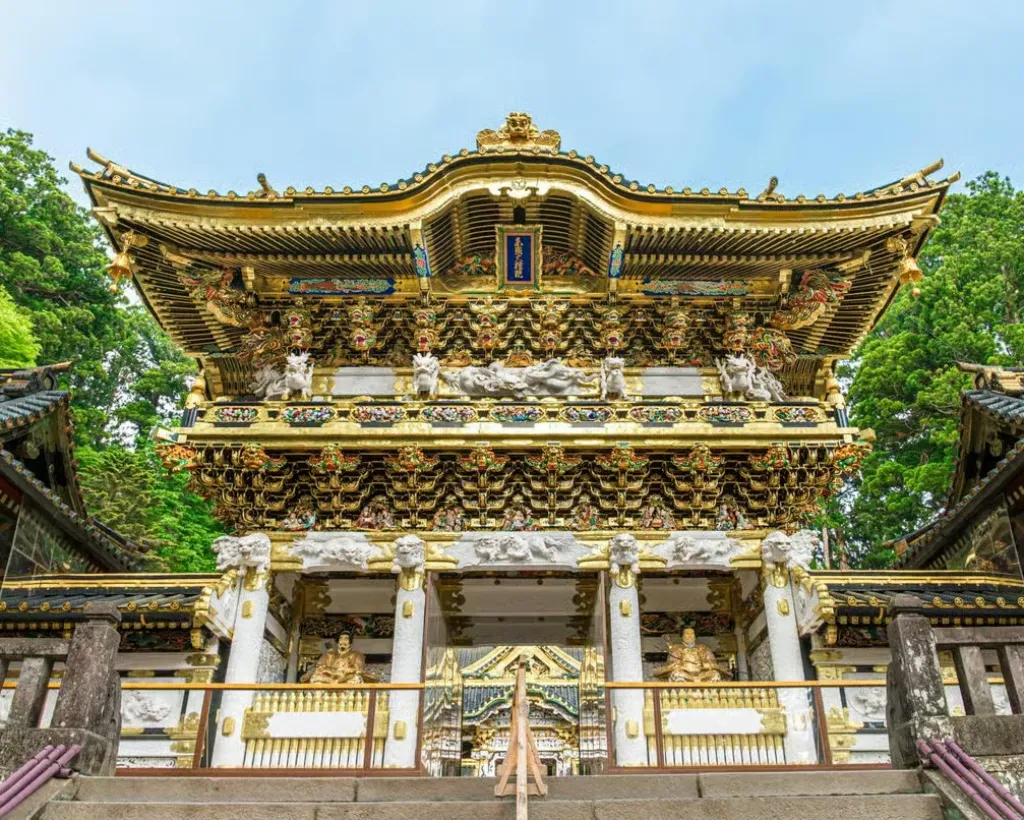
As the tour continues deeper into the sacred precincts, the focus shifts toward Nikko Toshogu Shrine, the lavish mausoleum of Tokugawa Ieyasu, founder of the Tokugawa shogunate, whose deification transformed political power into sacred authority during the early Edo period.
Walk through its richly ornamented buildings and learn how architecture, color, spatial hierarchy, and intricate carvings were deliberately designed to convey messages of legitimacy, harmony, and eternal peace after centuries of civil war, while also expressing a worldview in which political order was inseparable from cosmic and religious order.
Rather than viewing Toshogu as an isolated masterpiece, the guide places it within the broader spiritual landscape of Nikko, explaining how its grandeur was carefully balanced against older traditions of mountain worship and religious restraint.
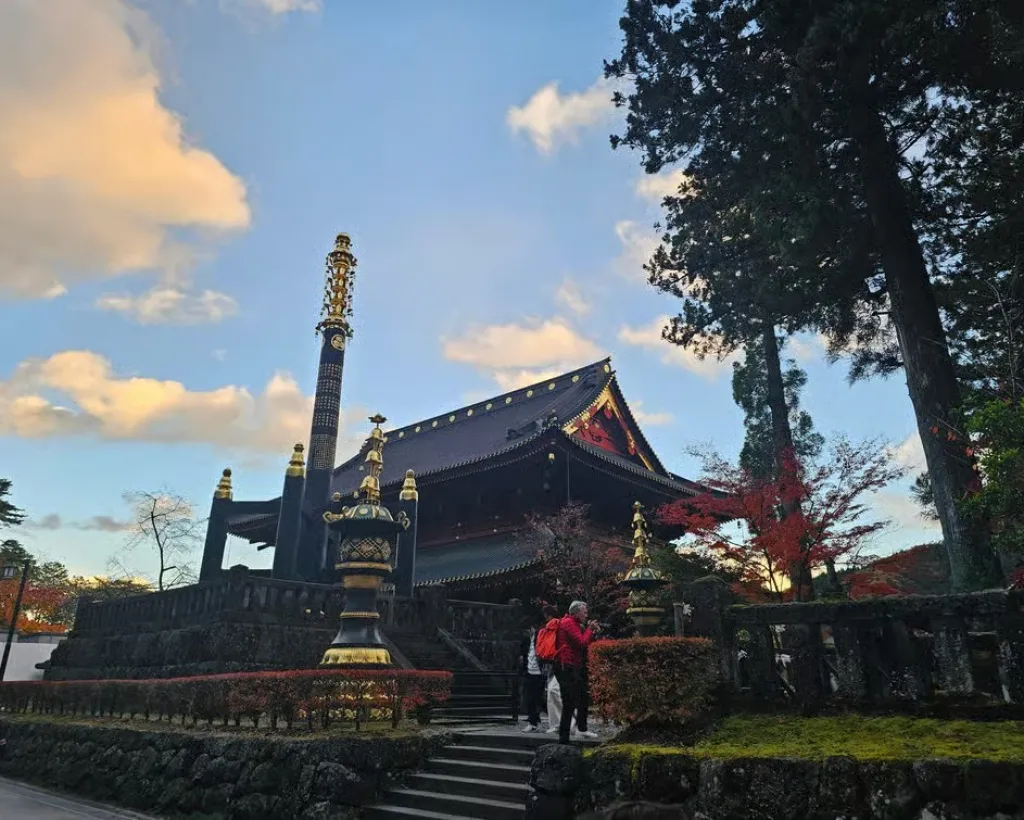
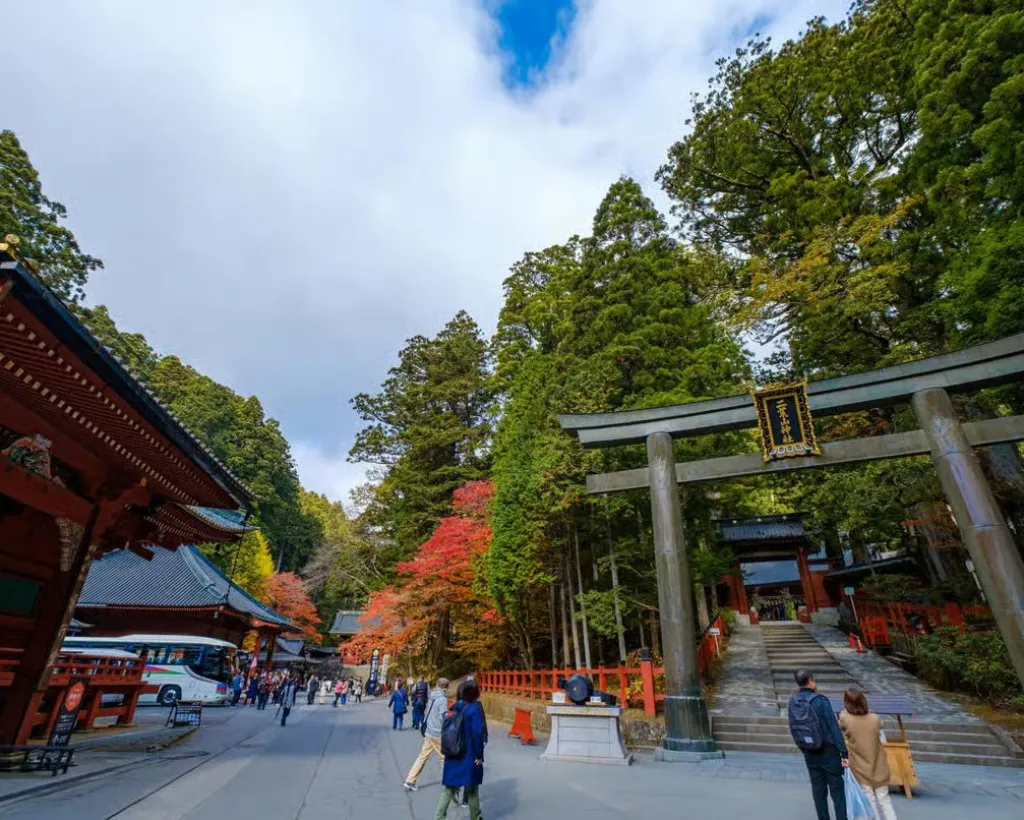
The journey then moves to Futarasan Shrine, dedicated to the deities of Nikko’s sacred mountains, where the atmosphere becomes noticeably calmer and more intimate, allowing visitors to reflect on the deeper origins of faith that predate both Buddhist institutions and samurai rule.
Here, nature itself remains the object of reverence, reminding participants that the spiritual power of Nikko has always flowed from the surrounding mountains and forests. By the end of the experience, Nikko emerges not merely as the site of an extraordinary shrine complex, but as a layered sacred world in which ancient beliefs, Buddhist devotion, and Tokugawa political ideology coexist, offering rare insight into how Japanese culture has historically understood the relationship between humans, nature, and authority.
Long before the rise of the Tokugawa shogunate, these forested mountains were considered a spiritual realm where Buddhist monks and mountain ascetics sought enlightenment through rigorous training, and where Shinto and Buddhism gradually fused into a uniquely Japanese form of religious expression.
This foundation becomes tangible at Rinno-ji Temple, the oldest and most influential Buddhist institution in Nikko, where visitors encounter the memory of a time when the area functioned as a center of prayer, healing, and mountain devotion rather than a political monument.
As the tour continues deeper into the sacred precincts, the focus shifts toward Nikko Toshogu Shrine, the lavish mausoleum of Tokugawa Ieyasu, founder of the Tokugawa shogunate, whose deification transformed political power into sacred authority during the early Edo period.
Walk through its richly ornamented buildings and learn how architecture, color, spatial hierarchy, and intricate carvings were deliberately designed to convey messages of legitimacy, harmony, and eternal peace after centuries of civil war, while also expressing a worldview in which political order was inseparable from cosmic and religious order.
Rather than viewing Toshogu as an isolated masterpiece, the guide places it within the broader spiritual landscape of Nikko, explaining how its grandeur was carefully balanced against older traditions of mountain worship and religious restraint.
The journey then moves to Futarasan Shrine, dedicated to the deities of Nikko’s sacred mountains, where the atmosphere becomes noticeably calmer and more intimate, allowing visitors to reflect on the deeper origins of faith that predate both Buddhist institutions and samurai rule.
Here, nature itself remains the object of reverence, reminding participants that the spiritual power of Nikko has always flowed from the surrounding mountains and forests. By the end of the experience, Nikko emerges not merely as the site of an extraordinary shrine complex, but as a layered sacred world in which ancient beliefs, Buddhist devotion, and Tokugawa political ideology coexist, offering rare insight into how Japanese culture has historically understood the relationship between humans, nature, and authority.
