 2 - 4 hours
 Available languages: English
 Start: Shiga Prefectural Azuchi Castle Archaeological Museum
 1-6
1-6 private

 Immediate Booking
  Request Booking
Experience details
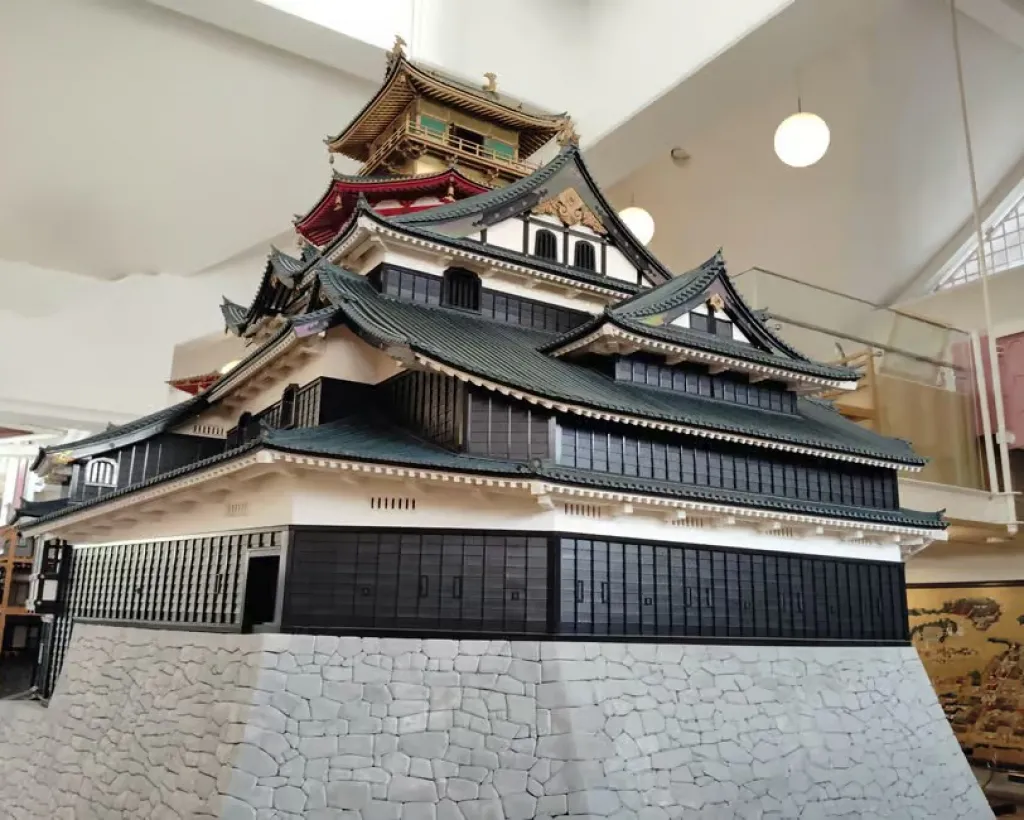
Begin your journey at the Shiga Prefectural Azuchi Castle Archaeological Museum. Encounter the results of decades of excavation and scholarship that reveal how the castle and its surrounding town transformed Omi Province. Watch dynamic reconstructions of the castle in the museum’s theater, and explore exhibits of archaeological finds, documents, and maps that provide insights into the political and economic role of Azuchi.
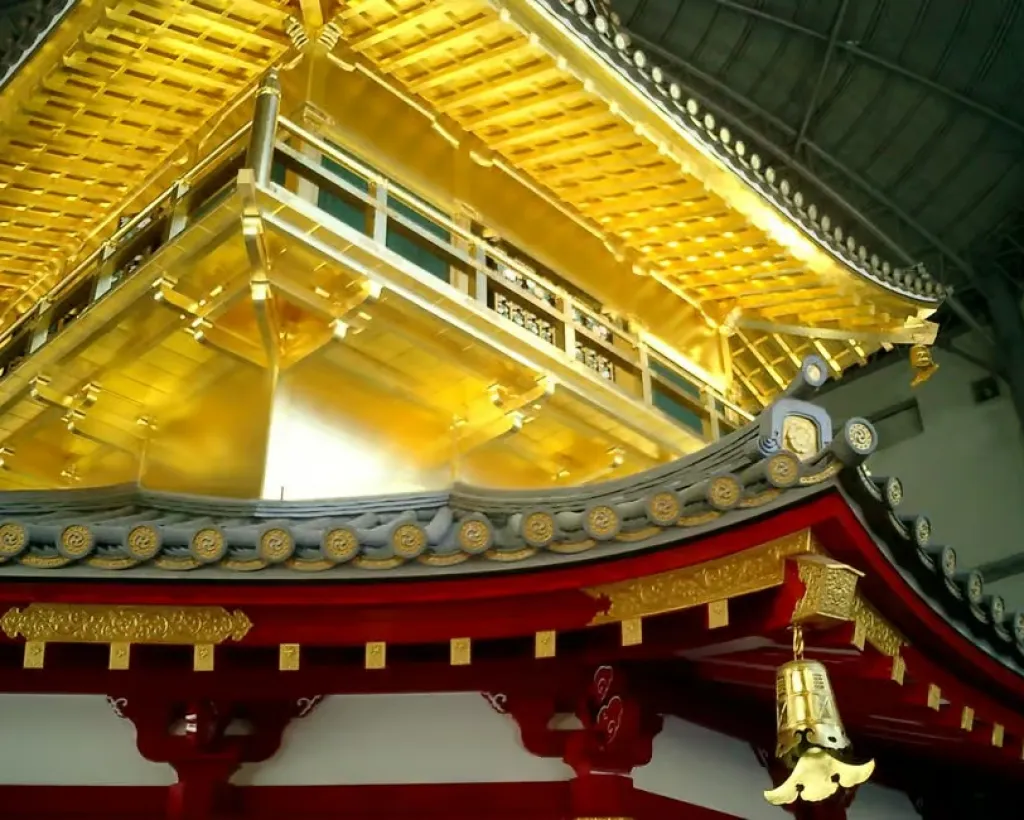
Next, head to the “Azuchi Castle Tenshu Nobunaga-no-Yakata,” which preserves the full-scale reproduction of the castle’s upper stories originally built for the 1992 Seville Expo. Step inside an architectural reconstruction adorned with gold leaf exteriors and resplendent interiors inspired by the Kano school of painting. Discover how Nobunaga used the main tower not simply for defense but as a stage for diplomacy, pageantry, and the projection of unrivaled authority.
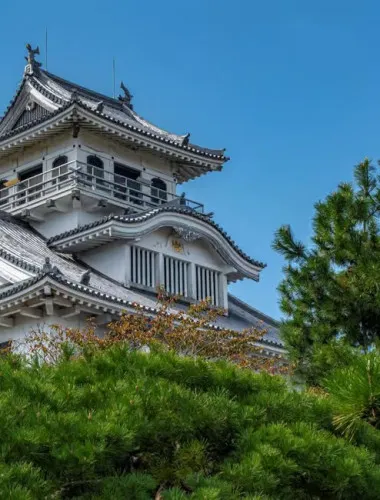
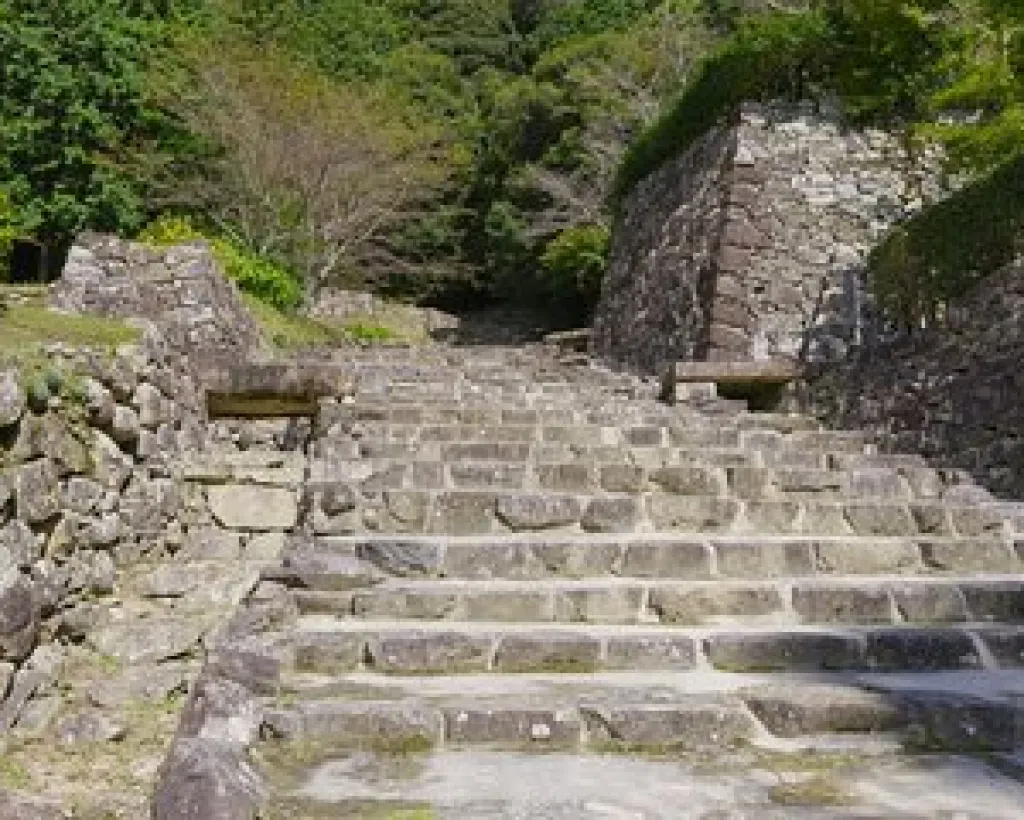
At this point, choose between two options. The 4-hour option expands the experience to include the climb up Mount Azuchi and exploration of the castle ruins. Walk the monumental Otemichi approach, encounter the remains of grand stone stairways, and see the foundations of residences once belonging to Nobunaga’s leading generals and advisors. Pass through the precincts of Sōken-ji Temple, with its surviving Niōmon gate and three-storied pagoda, and learn about the blending of political and religious authority in Nobunaga’s vision.
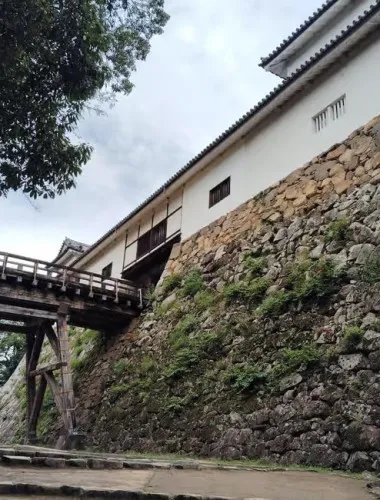
Higher up, see the ruins of the Kurogane Gate, the Second Enclosure, and the stone base of the main keep, which command sweeping views of Lake Biwa and the Omi Plain. From this vantage point, understand why Nobunaga selected Azuchi’s location: it offered both strategic control of waterways and roads and a majestic stage for displaying his power. The tour culminates at Nobunaga’s mausoleum, a quiet memorial that invites reflection on the dramatic fall of the castle after the Honnō-ji Incident.
The 2-hour option focuses on the two museums, offering a concise yet immersive introduction to Nobunaga’s achievements. This path combines three complementary learning modes: archaeological evidence, visual reconstructions, and full-scale architectural reproduction. It highlights the essence of Azuchi without the physical climb, making it suitable for those with limited time. Explore the artistry of the reconstructed keep, view the latest scholarly interpretations, and come away with a clear understanding of the castle’s significance as both an architectural marvel and a political experiment.
Next, head to the “Azuchi Castle Tenshu Nobunaga-no-Yakata,” which preserves the full-scale reproduction of the castle’s upper stories originally built for the 1992 Seville Expo. Step inside an architectural reconstruction adorned with gold leaf exteriors and resplendent interiors inspired by the Kano school of painting. Discover how Nobunaga used the main tower not simply for defense but as a stage for diplomacy, pageantry, and the projection of unrivaled authority.
At this point, choose between two options. The 4-hour option expands the experience to include the climb up Mount Azuchi and exploration of the castle ruins. Walk the monumental Otemichi approach, encounter the remains of grand stone stairways, and see the foundations of residences once belonging to Nobunaga’s leading generals and advisors. Pass through the precincts of Sōken-ji Temple, with its surviving Niōmon gate and three-storied pagoda, and learn about the blending of political and religious authority in Nobunaga’s vision.
Higher up, see the ruins of the Kurogane Gate, the Second Enclosure, and the stone base of the main keep, which command sweeping views of Lake Biwa and the Omi Plain. From this vantage point, understand why Nobunaga selected Azuchi’s location: it offered both strategic control of waterways and roads and a majestic stage for displaying his power. The tour culminates at Nobunaga’s mausoleum, a quiet memorial that invites reflection on the dramatic fall of the castle after the Honnō-ji Incident.
The 2-hour option focuses on the two museums, offering a concise yet immersive introduction to Nobunaga’s achievements. This path combines three complementary learning modes: archaeological evidence, visual reconstructions, and full-scale architectural reproduction. It highlights the essence of Azuchi without the physical climb, making it suitable for those with limited time. Explore the artistry of the reconstructed keep, view the latest scholarly interpretations, and come away with a clear understanding of the castle’s significance as both an architectural marvel and a political experiment.