 1.5 hours
 Available languages: English
 Start: Seven-Eleven Aomori Shinmachi 1-chome Store
 1-6
1-6

 Immediate Booking
  Request Booking
Experience details
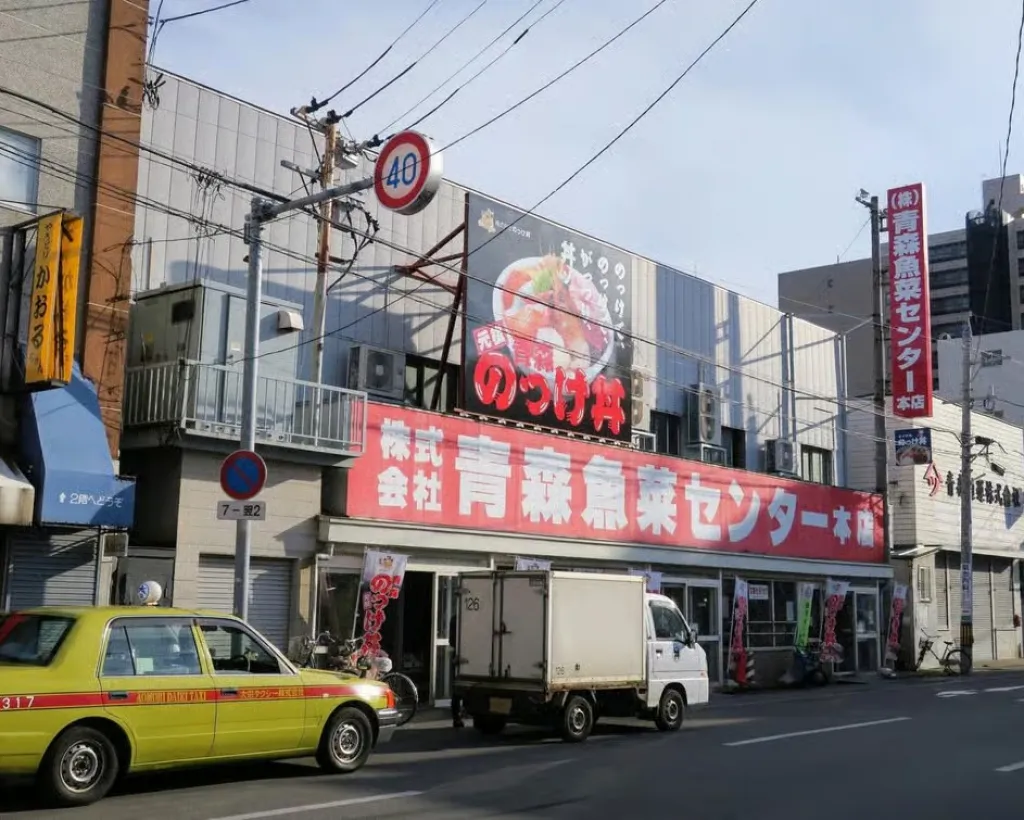
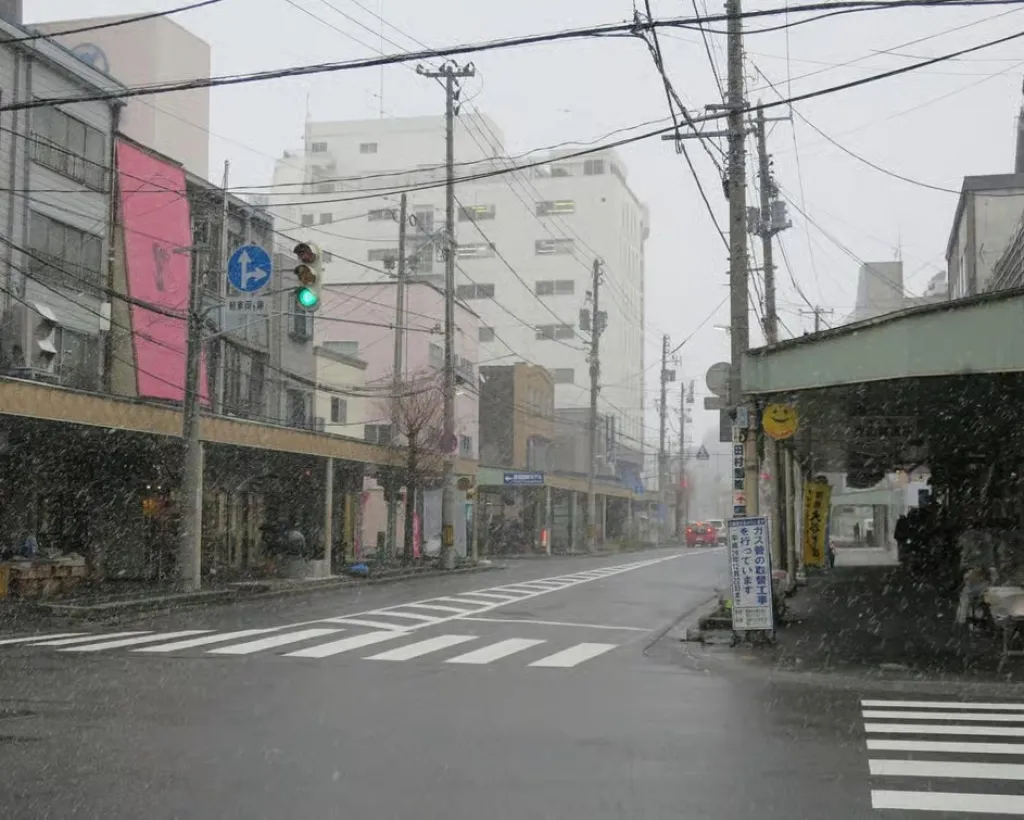
Begin your guided market walk in central Aomori, built around one of the most enjoyable and uniquely Japanese food experiences: creating your own “Nokke-don” seafood bowl at Aomori Gyosai Center.
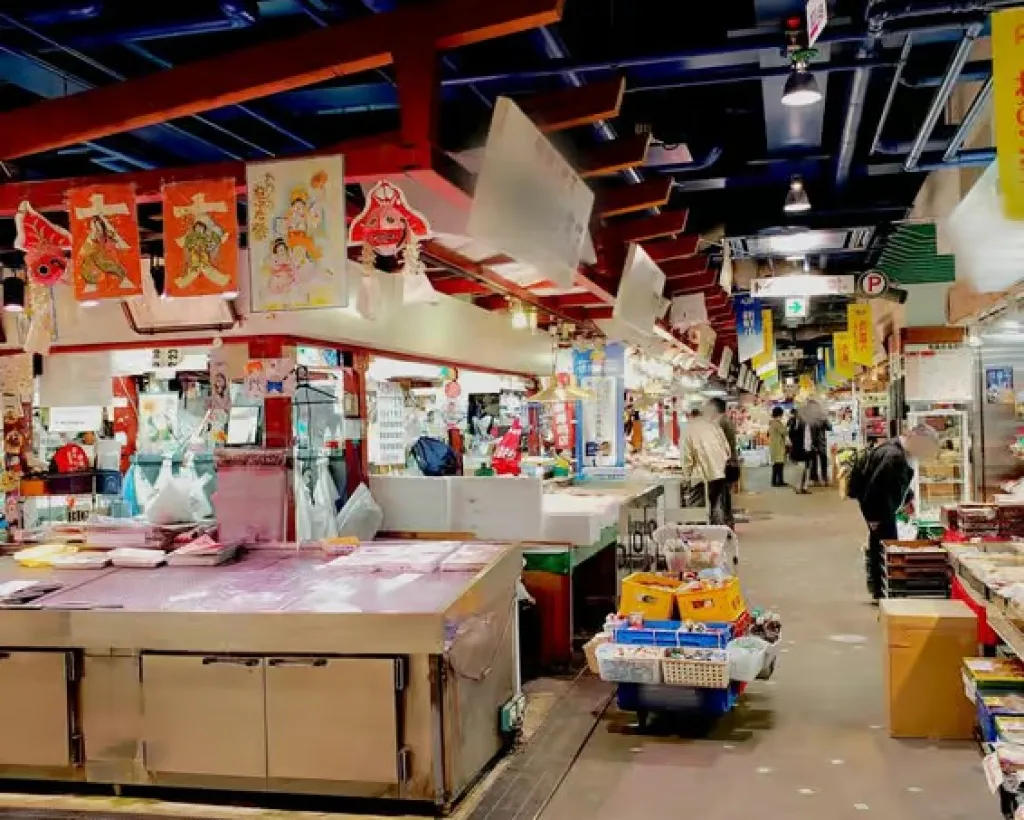
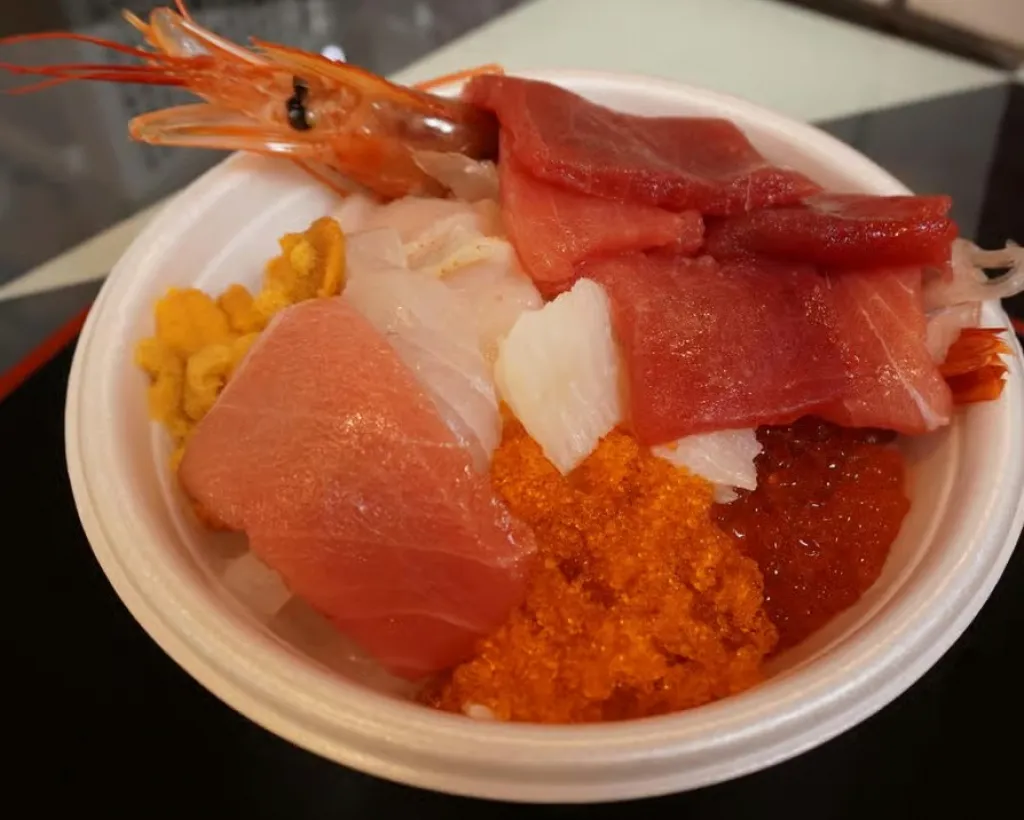
Nokke-don is not simply “a tuna bowl” or “a seafood rice bowl”—it is an interactive way of eating that turns a market into a living food map. Choose each topping stall by stall and build a meal that reflects your curiosity, your appetite, and the day’s local flavors.
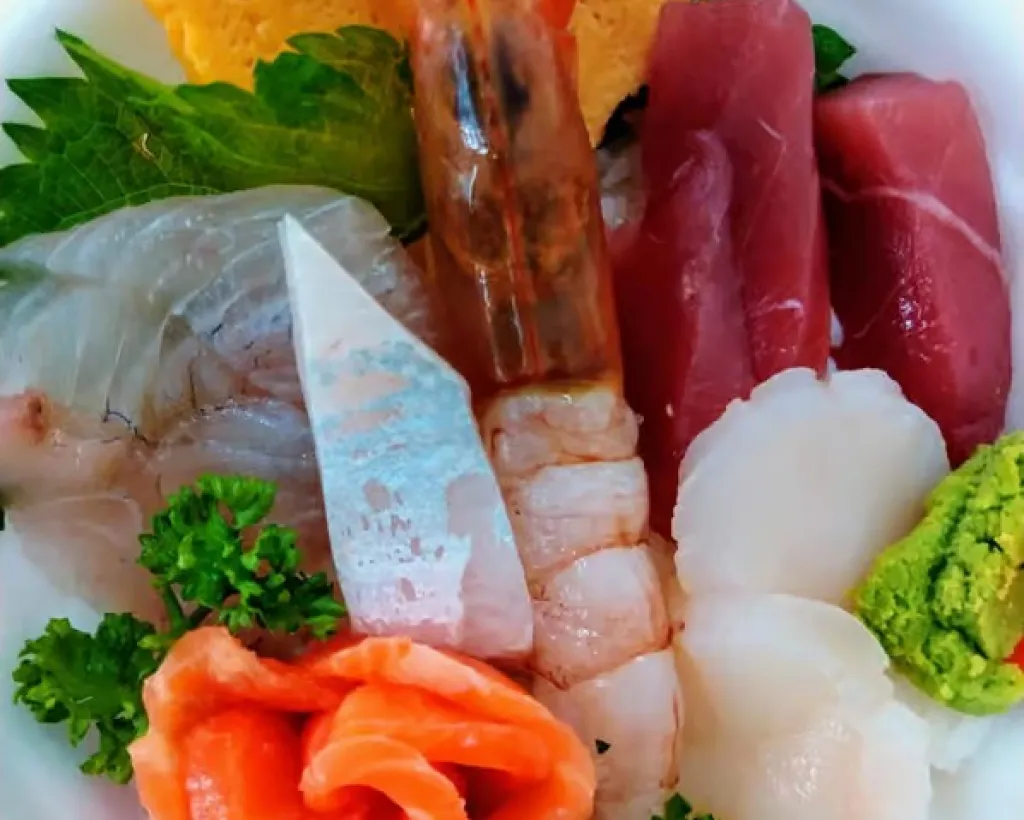
Rather than ordering a fixed menu item, step into the rhythm of Japanese market culture: look closely, compare colors and textures, listen to recommendations, and decide what you want to taste, whether it is rich and fatty tuna, delicate white fish, bright salmon, roe, shellfish, or small seasonal specialties that first-time visitors often miss.
Each topping adds a different sensation—sweetness, salt, freshness, chew, melt-in-the-mouth richness—and the bowl changes dramatically depending on your choices, meaning there is no single “correct” Nokke-don, only the one you create. This is exactly what makes it so memorable: it is both delicious and personal, a meal that feels like discovery rather than consumption.
As you explore the market together, your guide explains how seafood is enjoyed across Japan and how regions develop their own tastes, then brings the story back to Aomori, where cold northern waters and local food traditions shape what appears at the stalls.
Learn practical, real-life insights that make the experience more meaningful than a simple tasting—how often people in Japan eat seafood at home, how different fish are commonly prepared, and why markets like this still matter as everyday places of shopping and social interaction.
The highlight comes when you begin building your Nokke-don using meal tickets, walking from stall to stall as your bowl gradually transforms from plain rice into a layered collection of flavors. The moment you take the first bite, you will understand why this experience is celebrated: it captures the joy of choice, the freshness of the market, and the feeling of tasting Japan from the inside.
By the end, you won’t just have eaten a great meal—you will have experienced a style of dining that only makes sense in a place like this, where the market itself becomes the menu and the city’s seafood culture becomes something you can hold in your hands.
Nokke-don is not simply “a tuna bowl” or “a seafood rice bowl”—it is an interactive way of eating that turns a market into a living food map. Choose each topping stall by stall and build a meal that reflects your curiosity, your appetite, and the day’s local flavors.
Rather than ordering a fixed menu item, step into the rhythm of Japanese market culture: look closely, compare colors and textures, listen to recommendations, and decide what you want to taste, whether it is rich and fatty tuna, delicate white fish, bright salmon, roe, shellfish, or small seasonal specialties that first-time visitors often miss.
Each topping adds a different sensation—sweetness, salt, freshness, chew, melt-in-the-mouth richness—and the bowl changes dramatically depending on your choices, meaning there is no single “correct” Nokke-don, only the one you create. This is exactly what makes it so memorable: it is both delicious and personal, a meal that feels like discovery rather than consumption.
As you explore the market together, your guide explains how seafood is enjoyed across Japan and how regions develop their own tastes, then brings the story back to Aomori, where cold northern waters and local food traditions shape what appears at the stalls.
Learn practical, real-life insights that make the experience more meaningful than a simple tasting—how often people in Japan eat seafood at home, how different fish are commonly prepared, and why markets like this still matter as everyday places of shopping and social interaction.
The highlight comes when you begin building your Nokke-don using meal tickets, walking from stall to stall as your bowl gradually transforms from plain rice into a layered collection of flavors. The moment you take the first bite, you will understand why this experience is celebrated: it captures the joy of choice, the freshness of the market, and the feeling of tasting Japan from the inside.
By the end, you won’t just have eaten a great meal—you will have experienced a style of dining that only makes sense in a place like this, where the market itself becomes the menu and the city’s seafood culture becomes something you can hold in your hands.