 1.5 hours
 Available languages: English
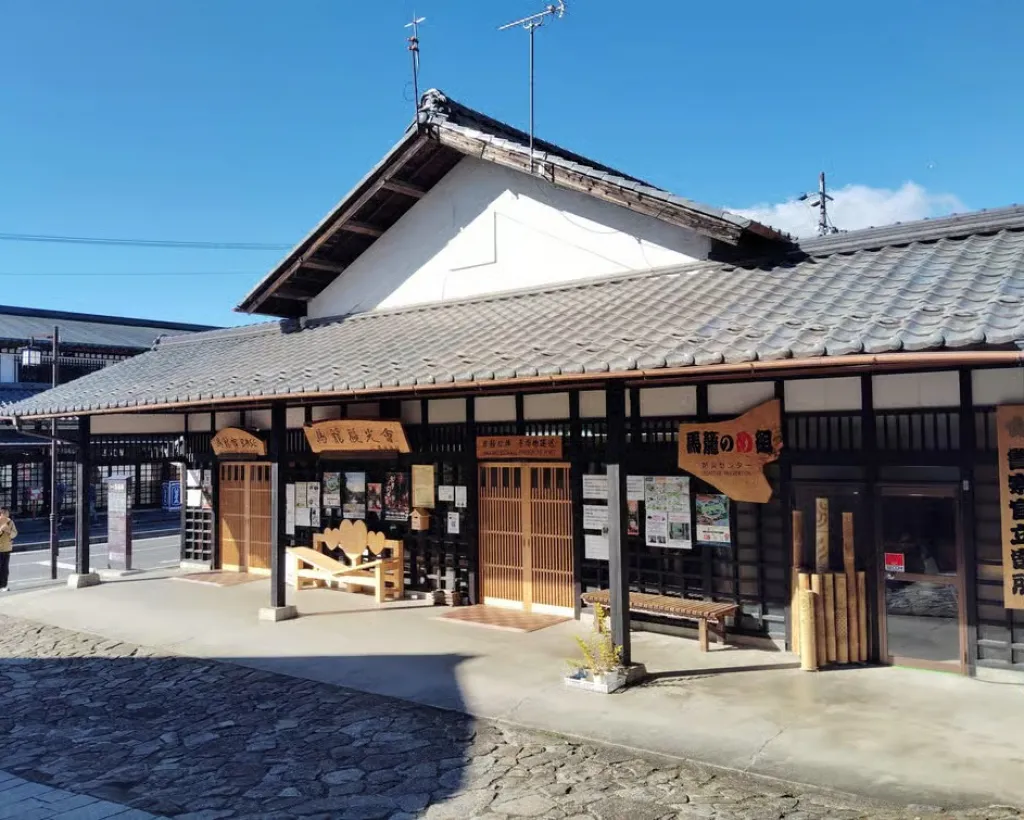
 Start: Magome-juku BASE
 1-6
1-6

 Immediate Booking
  Request Booking
Experience details
Magome-juku is a preserved post town, or shukuba, on the historic Nakasendo route, once linking Edo (Tokyo) and Kyoto through Japan’s mountainous interior. This walking tour invites you to experience Magome as travelers once did, entering the town on foot and gradually discovering why it played such an important role in Edo-period travel.
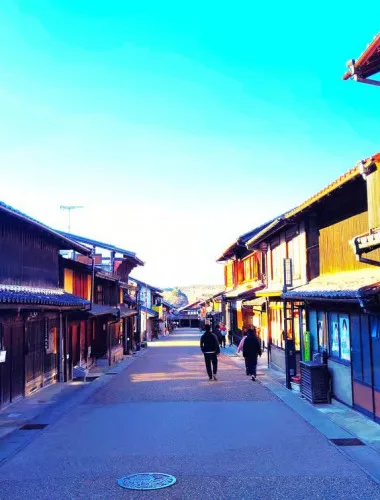
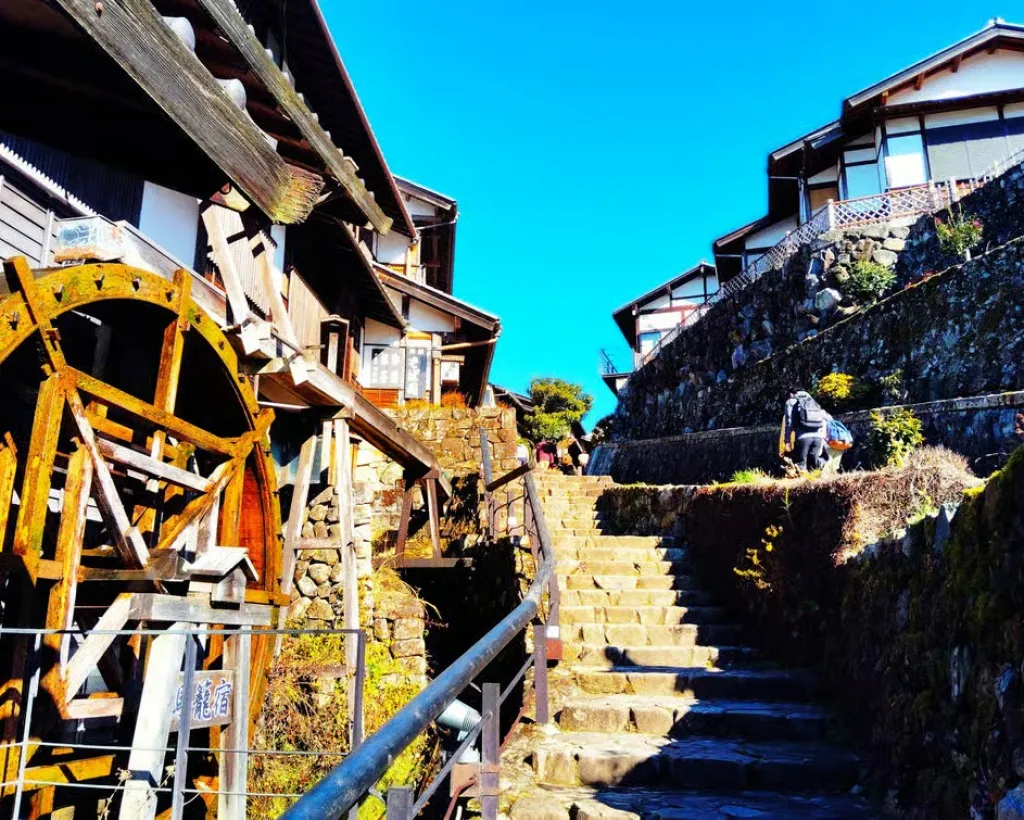
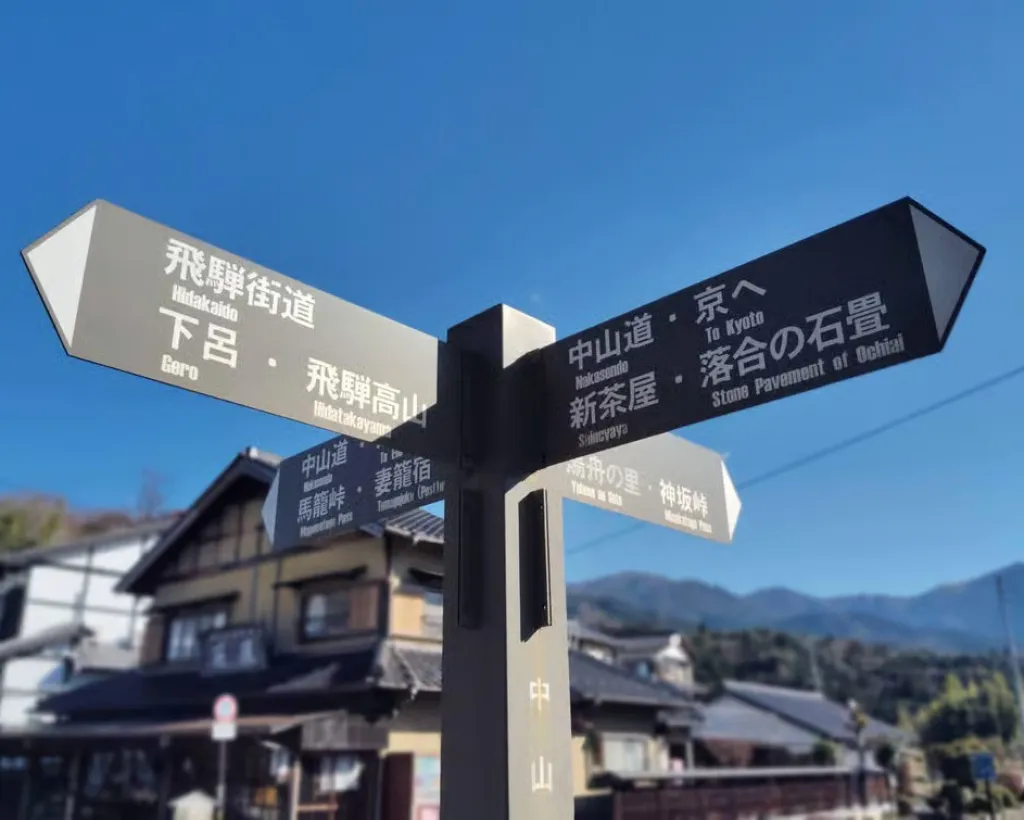
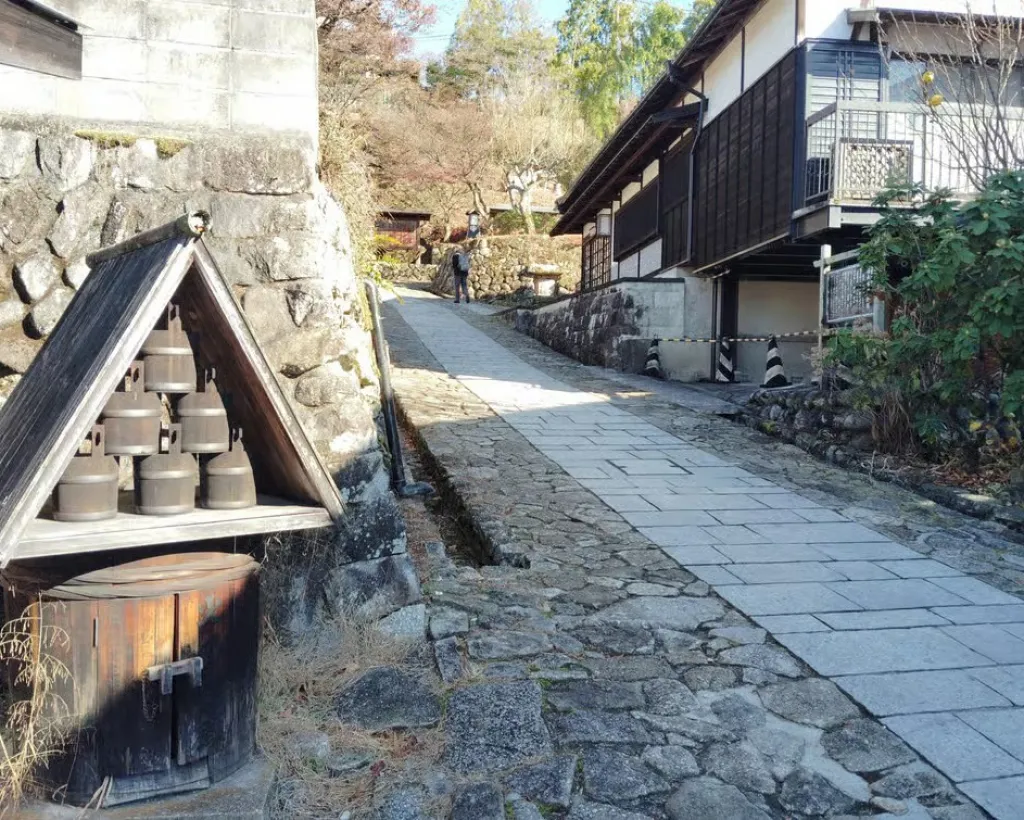
The journey begins at the edge of the post town, where Magome still functions as a gateway between eras. As you step onto the original highway, the town’s character becomes immediately clear: a steep stone-paved slope following the old road, gentle bends designed to control the flow of people, and wooden buildings that continue to face the street just as they did centuries ago. Near the historic masugata and waterwheel, your guide explains how Magome was carefully organized as a shukuba, a post town designed to support travelers, moving through difficult terrain by providing water, food, horses, and rest. These are not decorative remains, but practical structures that reveal how travel actually worked in pre-modern Japan.
Walking along the Nakasendo itself, the focus widens from Magome to the broader world of Edo-period travel. Unlike coastal routes, this inland road crossed mountains and valleys, making journeys slower, more demanding, and deeply dependent on post towns such as Magome. Through stories and explanations, you gain insight into the rules that governed movement, the challenges travelers faced, and the sense of relief that came with reaching a shukuba like Magome after a long day on the road.
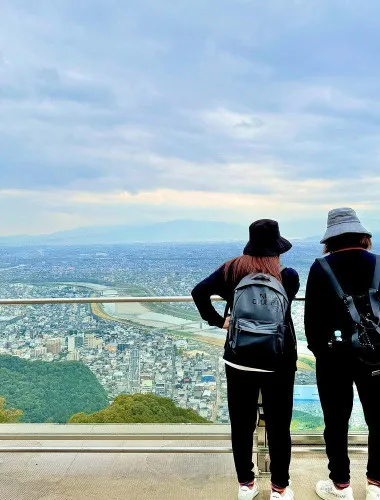
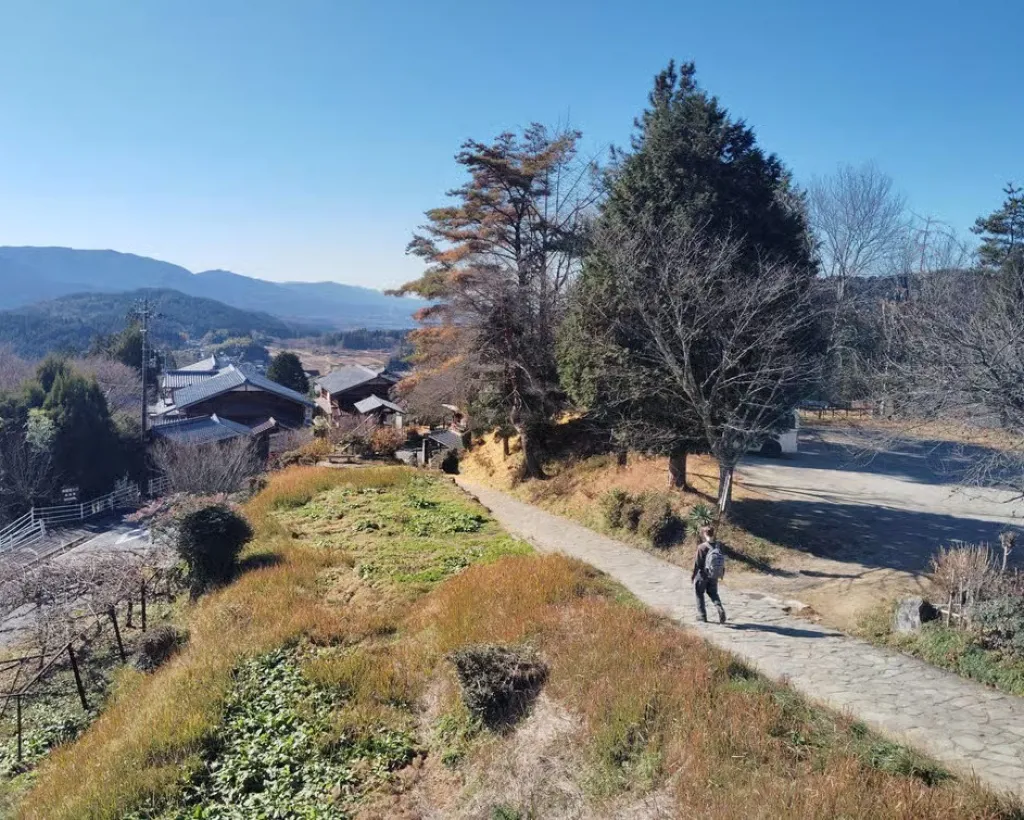
At the site of the former official notice boards, where laws and regulations were once displayed, the authority of the Tokugawa shogunate becomes visible. Magome was not only a place to rest, but also a point of control where information was shared and order maintained. From there, the walk leads to a scenic viewpoint overlooking the surrounding mountains. The landscape itself explains why this post town, or shukuba, exists in this precise location—a rare refuge in a demanding environment where travelers could pause, reflect, and prepare for the road ahead.
Returning to the heart of the post town, the pace naturally slows. You will have time to enjoy local food, either following your guide’s recommendations or choosing what appeals to you. This moment reflects one of Magome’s original purposes as a shukuba: offering simple comfort and refreshment to travelers before they continued their journey.
By the end of the tour, you will have done more than visit a historic town. You will have walked a living section of the Nakasendo, understood the logic behind its design, and experienced how travel shaped daily life in Japan’s past. Magome endures not because it was frozen in time, but because its streets still tell their story to those who take the time to walk them.
The journey begins at the edge of the post town, where Magome still functions as a gateway between eras. As you step onto the original highway, the town’s character becomes immediately clear: a steep stone-paved slope following the old road, gentle bends designed to control the flow of people, and wooden buildings that continue to face the street just as they did centuries ago. Near the historic masugata and waterwheel, your guide explains how Magome was carefully organized as a shukuba, a post town designed to support travelers, moving through difficult terrain by providing water, food, horses, and rest. These are not decorative remains, but practical structures that reveal how travel actually worked in pre-modern Japan.
Walking along the Nakasendo itself, the focus widens from Magome to the broader world of Edo-period travel. Unlike coastal routes, this inland road crossed mountains and valleys, making journeys slower, more demanding, and deeply dependent on post towns such as Magome. Through stories and explanations, you gain insight into the rules that governed movement, the challenges travelers faced, and the sense of relief that came with reaching a shukuba like Magome after a long day on the road.
At the site of the former official notice boards, where laws and regulations were once displayed, the authority of the Tokugawa shogunate becomes visible. Magome was not only a place to rest, but also a point of control where information was shared and order maintained. From there, the walk leads to a scenic viewpoint overlooking the surrounding mountains. The landscape itself explains why this post town, or shukuba, exists in this precise location—a rare refuge in a demanding environment where travelers could pause, reflect, and prepare for the road ahead.
Returning to the heart of the post town, the pace naturally slows. You will have time to enjoy local food, either following your guide’s recommendations or choosing what appeals to you. This moment reflects one of Magome’s original purposes as a shukuba: offering simple comfort and refreshment to travelers before they continued their journey.
By the end of the tour, you will have done more than visit a historic town. You will have walked a living section of the Nakasendo, understood the logic behind its design, and experienced how travel shaped daily life in Japan’s past. Magome endures not because it was frozen in time, but because its streets still tell their story to those who take the time to walk them.