 2 hours
 Available languages: English
 Start: Tokoname Tourist Information Center
 1-6
1-6

 Immediate Booking
  Request Booking
Experience details
Begin your journey with an introduction to how Tokoname developed as a pottery center, benefiting from rich clay deposits, coastal trade routes, and an innovative spirit that allowed its ceramics to be distributed nationwide. Learn how Tokoname ware became synonymous with practicality and reliability, supporting households, agriculture, and commerce throughout Japan.
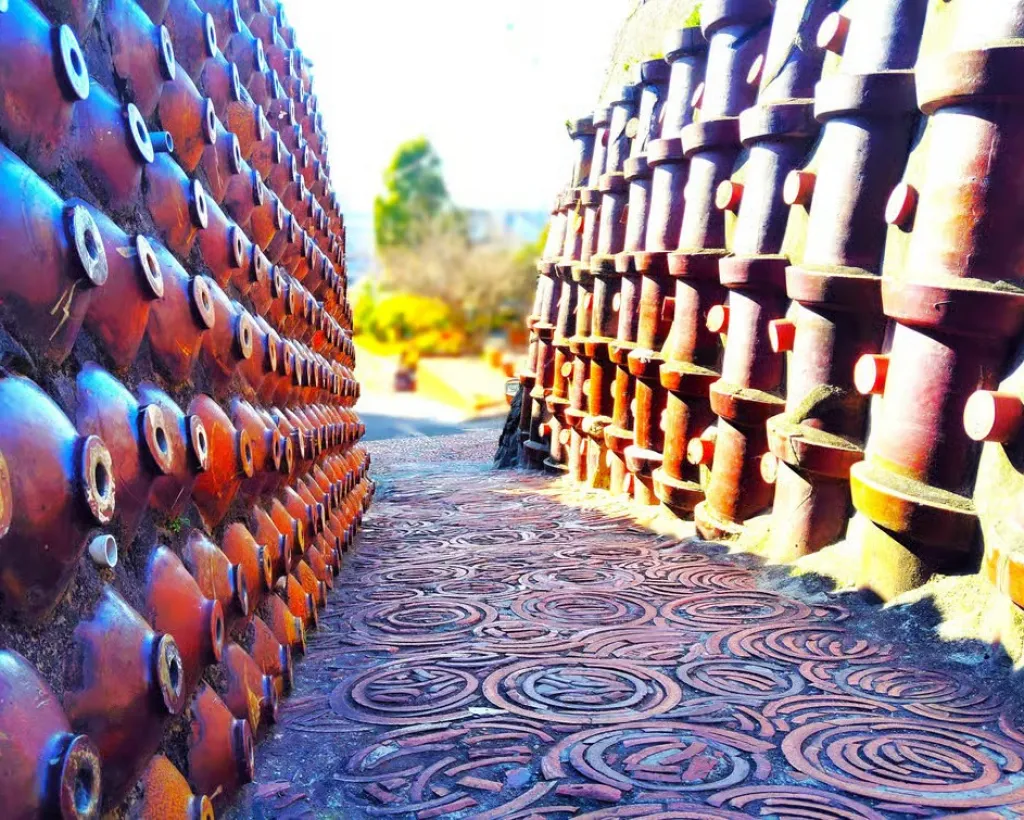
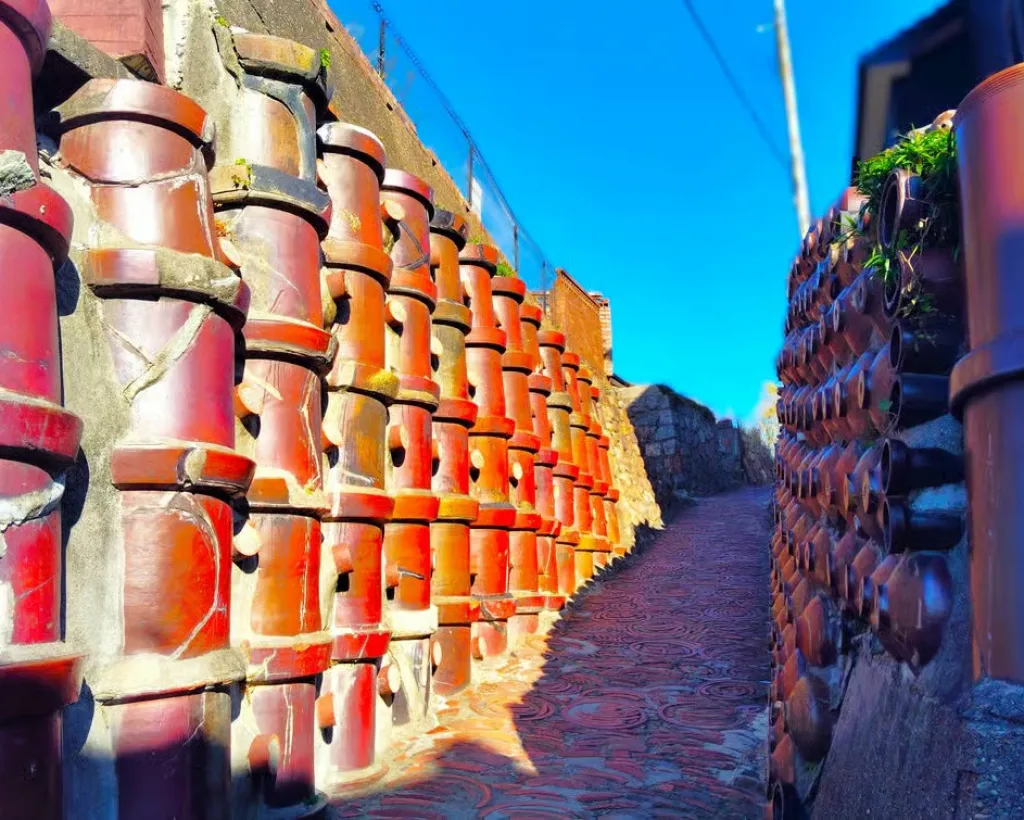
As you walk the pottery path, encounter one of Tokoname’s most distinctive features: a townscape shaped by ceramics themselves. See slopes, walls, and pathways built from ceramic pipes, shochu bottles, kiln bricks, and discarded pottery shards. What were once purely functional objects or industrial byproducts have become defining elements of the landscape.
Along the route, historic merchant houses reveal another dimension of Tokoname’s past. These former shipping merchants played a crucial role in distributing Tokoname ware across Japan during the Edo and Meiji periods, when coastal trade connected regional industries to distant markets. Inside these preserved buildings, gain insight into how pottery production, maritime commerce, and daily life were closely intertwined.
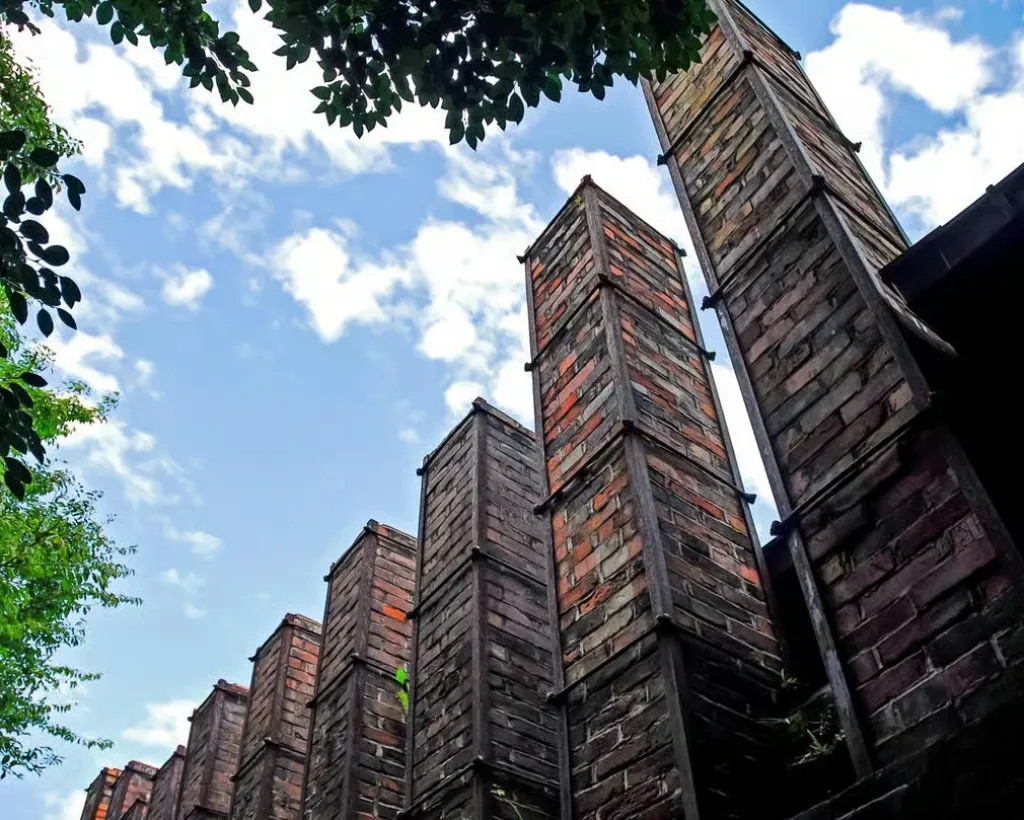
The tour also highlights Tokoname’s ceramic techniques and technological innovation. The area is famous for its climbing kilns, which allowed for efficient firing and large-scale production, as well as for its iron-rich clay that gives Tokoname ware its characteristic earthy tones and strength. These qualities made Tokoname ceramics especially suited for functional use, and later enabled the town to adapt to modern demands, including industrial ceramics.
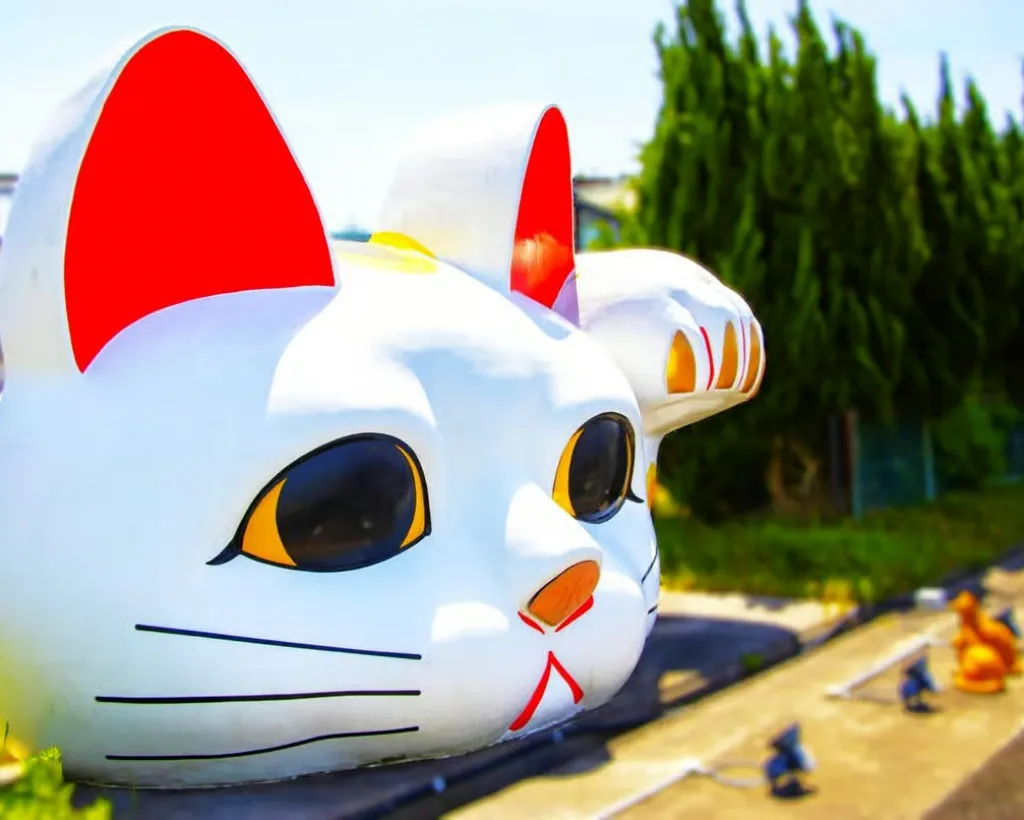
Tokoname is also closely associated with maneki-neko, or beckoning cats, now a familiar symbol throughout Japan. Here, the tradition evolved alongside pottery production, blending folk belief, craftsmanship, and commerce. Seeing these figures in their place of origin adds depth to their cultural meaning beyond their charming appearance.
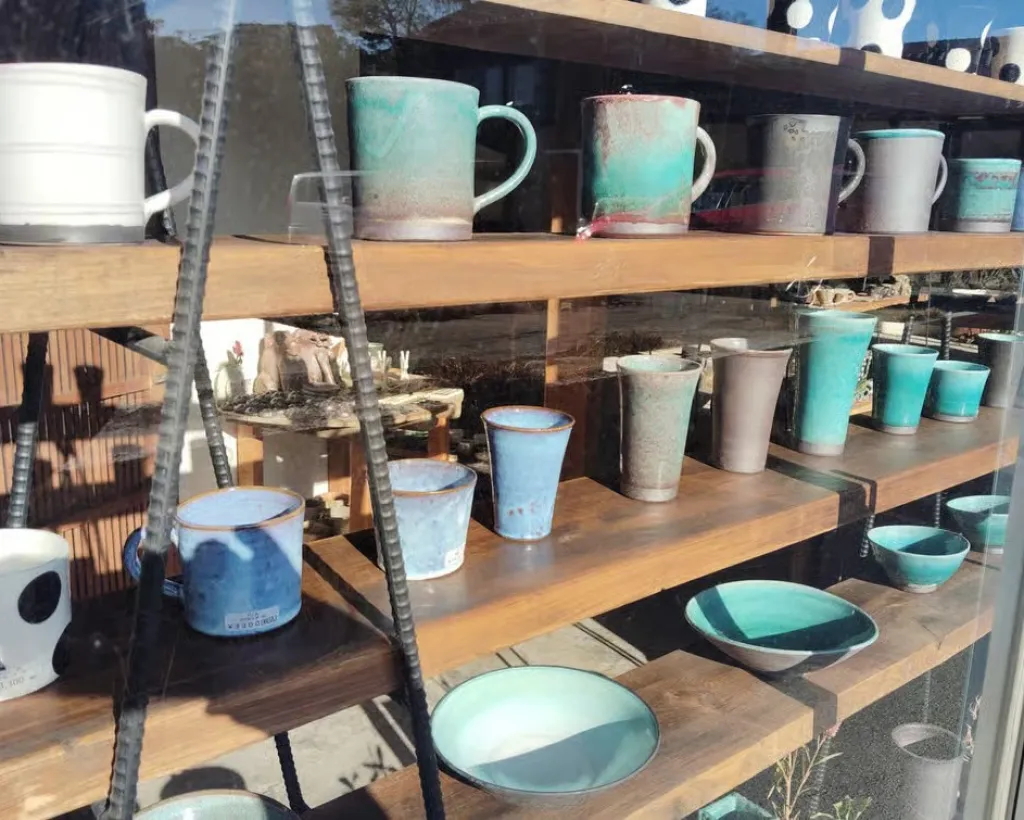
Throughout the walk, connect past and present. Near the remains of climbing kilns and exhibition spaces, encounter works by contemporary ceramic artists who continue to reinterpret Tokoname traditions. These modern pieces demonstrate how Tokoname ware is not a relic of the past, but a living craft that continues to evolve while honoring its roots. Visit local studios or shops, with guidance that helps you understand what makes each piece distinct.
As you walk the pottery path, encounter one of Tokoname’s most distinctive features: a townscape shaped by ceramics themselves. See slopes, walls, and pathways built from ceramic pipes, shochu bottles, kiln bricks, and discarded pottery shards. What were once purely functional objects or industrial byproducts have become defining elements of the landscape.
Along the route, historic merchant houses reveal another dimension of Tokoname’s past. These former shipping merchants played a crucial role in distributing Tokoname ware across Japan during the Edo and Meiji periods, when coastal trade connected regional industries to distant markets. Inside these preserved buildings, gain insight into how pottery production, maritime commerce, and daily life were closely intertwined.
The tour also highlights Tokoname’s ceramic techniques and technological innovation. The area is famous for its climbing kilns, which allowed for efficient firing and large-scale production, as well as for its iron-rich clay that gives Tokoname ware its characteristic earthy tones and strength. These qualities made Tokoname ceramics especially suited for functional use, and later enabled the town to adapt to modern demands, including industrial ceramics.
Tokoname is also closely associated with maneki-neko, or beckoning cats, now a familiar symbol throughout Japan. Here, the tradition evolved alongside pottery production, blending folk belief, craftsmanship, and commerce. Seeing these figures in their place of origin adds depth to their cultural meaning beyond their charming appearance.
Throughout the walk, connect past and present. Near the remains of climbing kilns and exhibition spaces, encounter works by contemporary ceramic artists who continue to reinterpret Tokoname traditions. These modern pieces demonstrate how Tokoname ware is not a relic of the past, but a living craft that continues to evolve while honoring its roots. Visit local studios or shops, with guidance that helps you understand what makes each piece distinct.