



 2 hours
 Available languages: English
 Start: Shigaraki Station
 1-6
1-6 Private

 Immediate Booking
  Request Booking
Experience details
Begin your experience with a visit to the Shigaraki Ceramic Cultural Park and Museum, the foremost center dedicated to the history and artistry of Shigaraki ware.
Here, your professional local guide will introduce you to the origins of the craft, which date back over 700 years.
Learn how Shigaraki’s distinctive pottery emerged during the medieval period and flourished in the tea culture of the Muromachi and Momoyama eras, when its earthy textures and natural glazes became highly prized by tea masters for their rustic beauty and subtle elegance. See displays that reveal the evolution of the style, from utilitarian storage jars to refined tea bowls and artistic sculptures.
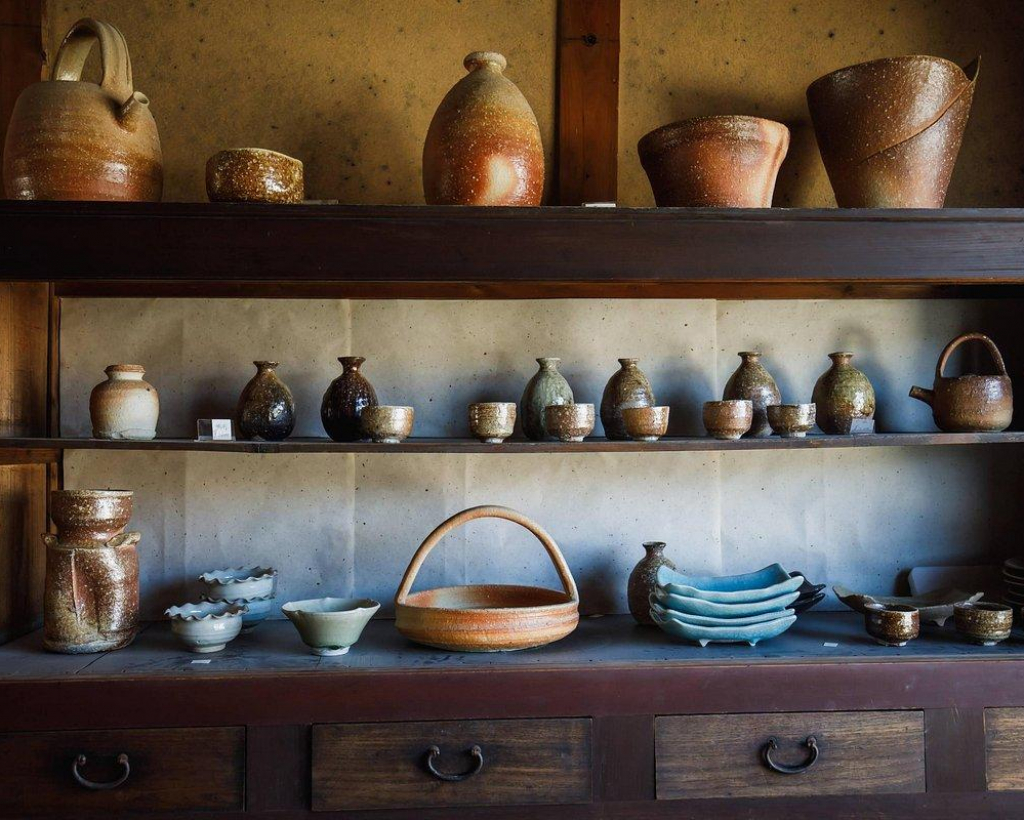
Learn how the rough yet warm surfaces of Shigaraki ware, often enhanced by wood ash in the kiln, came to embody the Japanese aesthetic of wabi-sabi—an appreciation of imperfection and natural simplicity.
Discover how the local clay, rich in feldspar and resistant to high heat, gives the pottery its warmth, speckling, and durability. Drawn from ancient Lake Biwa deposits, it produces reddish to cream tones often touched with glass-like ash glaze.
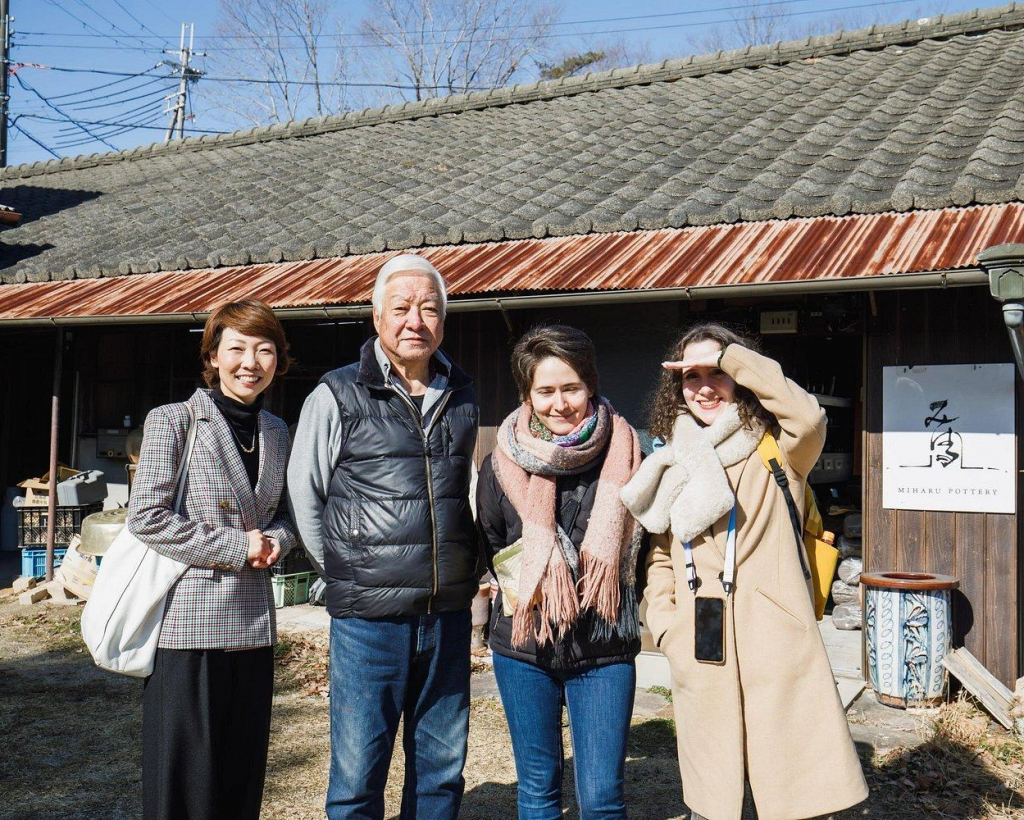
After this context, your guide will lead you to two working Shigaraki studios near the museum.
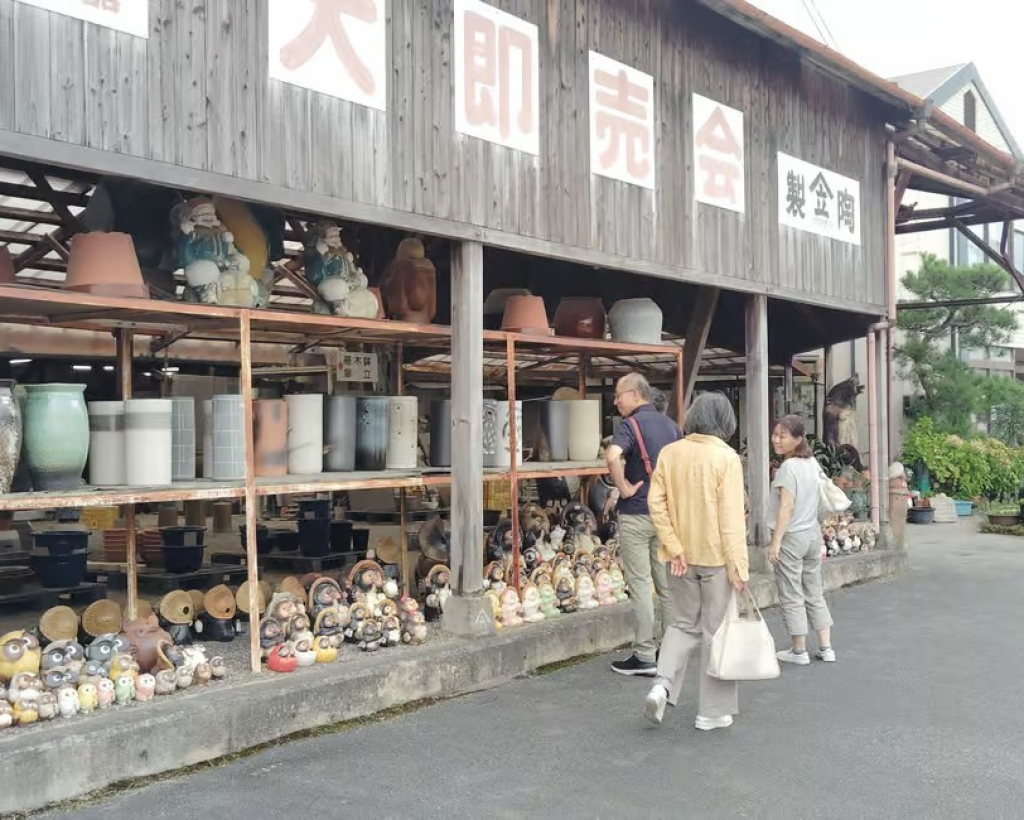
Each is both a workshop and a gallery, where artisans continue traditions while also experimenting with modern forms. These spaces let you step inside the daily world of potters and see how Shigaraki ware fits into both life and art.
Here, your guide’s expertise becomes invaluable: whether you are curious about a glaze effect, the use of a tea bowl, or the history of a kiln, they will interpret, explain, and assist. If you wish to purchase a piece, your guide will support you throughout, bridging any language gaps. While the cost of purchases is not included, the chance to take home an authentic Shigaraki item—be it a sake cup, a tea bowl, or a tanuki figure—offers a lasting reminder of your journey.
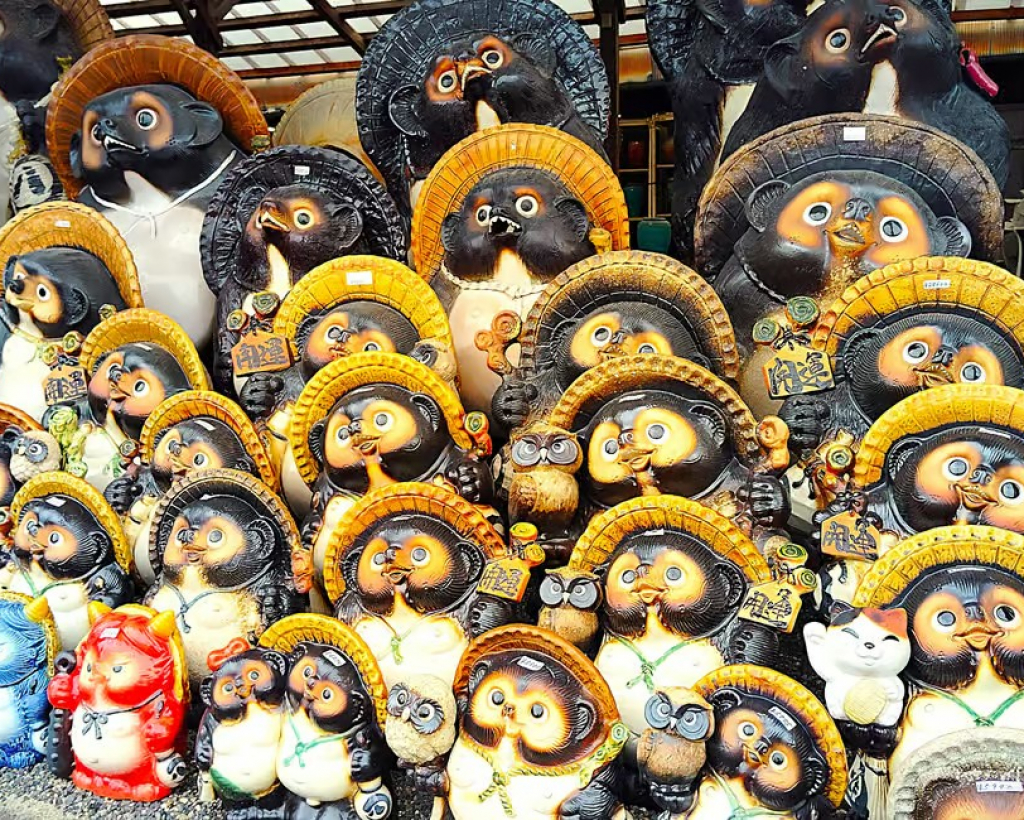
As a local expert, your guide will also share stories of Shigaraki’s rise as a pottery town, the symbolism of its raccoon-dog statues, and the challenges artisans face in preserving wood-firing methods in a modern world.
By the end of this two-hour journey, you will have explored the origins of one of Japan’s iconic ceramic traditions, understood how geology and culture shape artistry, and connected directly with the artisans who keep the tradition alive.
Here, your professional local guide will introduce you to the origins of the craft, which date back over 700 years.
Learn how Shigaraki’s distinctive pottery emerged during the medieval period and flourished in the tea culture of the Muromachi and Momoyama eras, when its earthy textures and natural glazes became highly prized by tea masters for their rustic beauty and subtle elegance. See displays that reveal the evolution of the style, from utilitarian storage jars to refined tea bowls and artistic sculptures.
Learn how the rough yet warm surfaces of Shigaraki ware, often enhanced by wood ash in the kiln, came to embody the Japanese aesthetic of wabi-sabi—an appreciation of imperfection and natural simplicity.
Discover how the local clay, rich in feldspar and resistant to high heat, gives the pottery its warmth, speckling, and durability. Drawn from ancient Lake Biwa deposits, it produces reddish to cream tones often touched with glass-like ash glaze.
After this context, your guide will lead you to two working Shigaraki studios near the museum.
Each is both a workshop and a gallery, where artisans continue traditions while also experimenting with modern forms. These spaces let you step inside the daily world of potters and see how Shigaraki ware fits into both life and art.
Here, your guide’s expertise becomes invaluable: whether you are curious about a glaze effect, the use of a tea bowl, or the history of a kiln, they will interpret, explain, and assist. If you wish to purchase a piece, your guide will support you throughout, bridging any language gaps. While the cost of purchases is not included, the chance to take home an authentic Shigaraki item—be it a sake cup, a tea bowl, or a tanuki figure—offers a lasting reminder of your journey.
As a local expert, your guide will also share stories of Shigaraki’s rise as a pottery town, the symbolism of its raccoon-dog statues, and the challenges artisans face in preserving wood-firing methods in a modern world.
By the end of this two-hour journey, you will have explored the origins of one of Japan’s iconic ceramic traditions, understood how geology and culture shape artistry, and connected directly with the artisans who keep the tradition alive.


