 2 hours
 Available languages: English
 Start: Ikuno Mineral Museum
 1-6
1-6

 Immediate Booking
  Request Booking
Experience details
Begin your journey at the Ikuno Mineral Museum, where your guide introduces the history of the Ikuno Silver Mine and the minerals that shaped this region for centuries. Here, you learn how Japan—now known for limited natural resources—was once a major producer of gold, silver, and copper, exporting vast quantities that influenced both domestic power and global trade from the medieval period into the early modern era. After this introduction, you continue to the entrance of the Kogane-gase tourist tunnel and purchase your admission ticket.
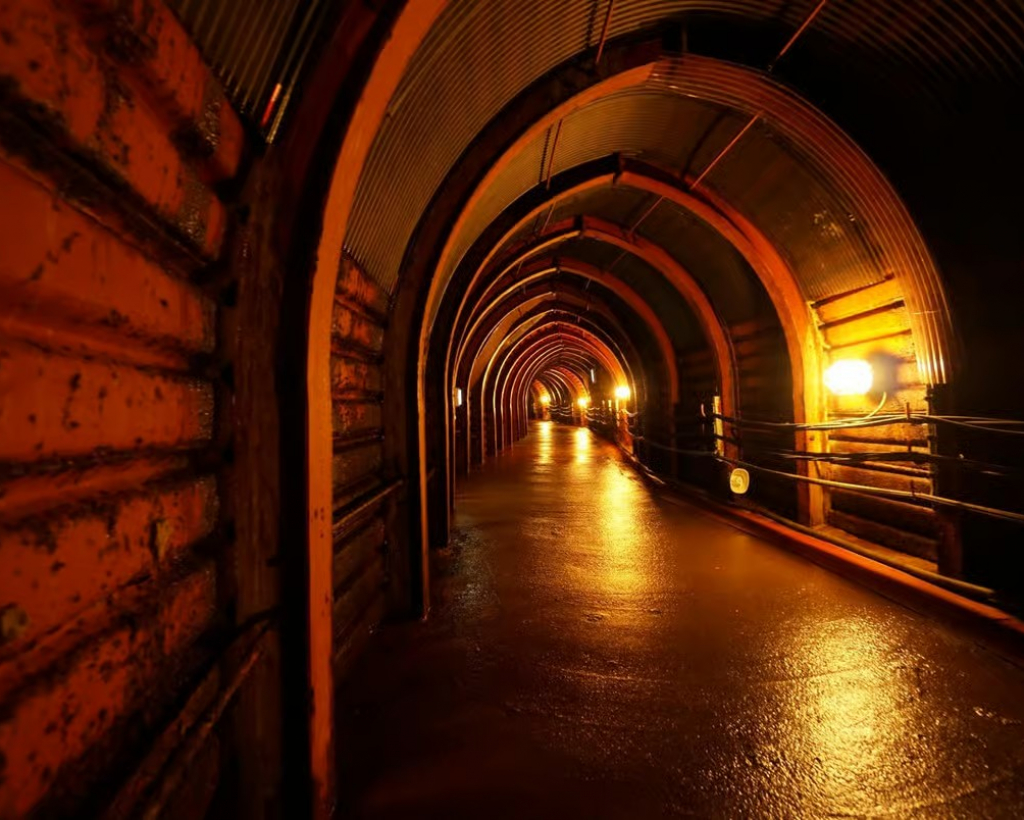
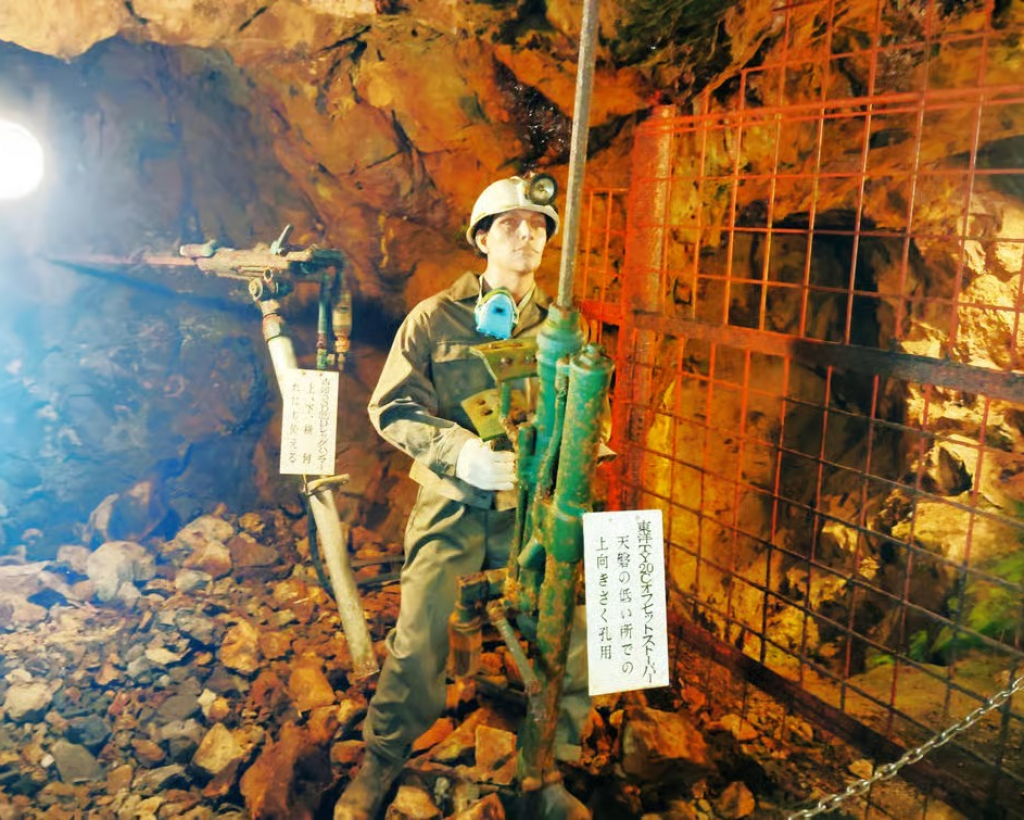
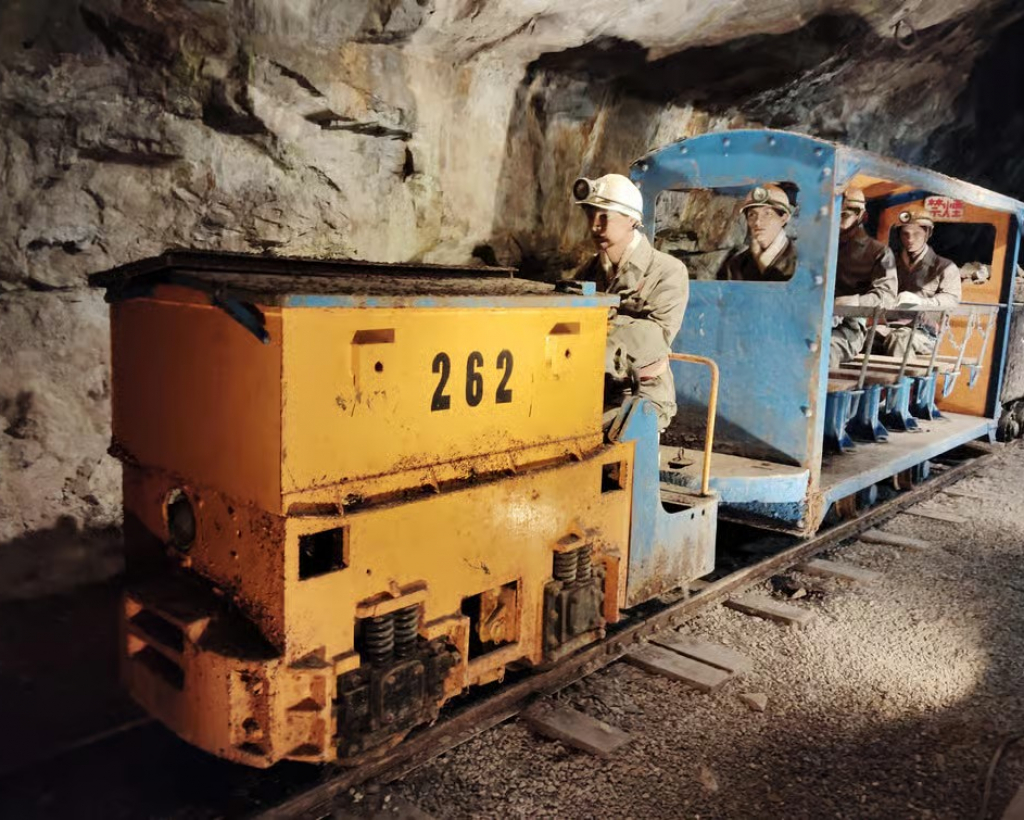
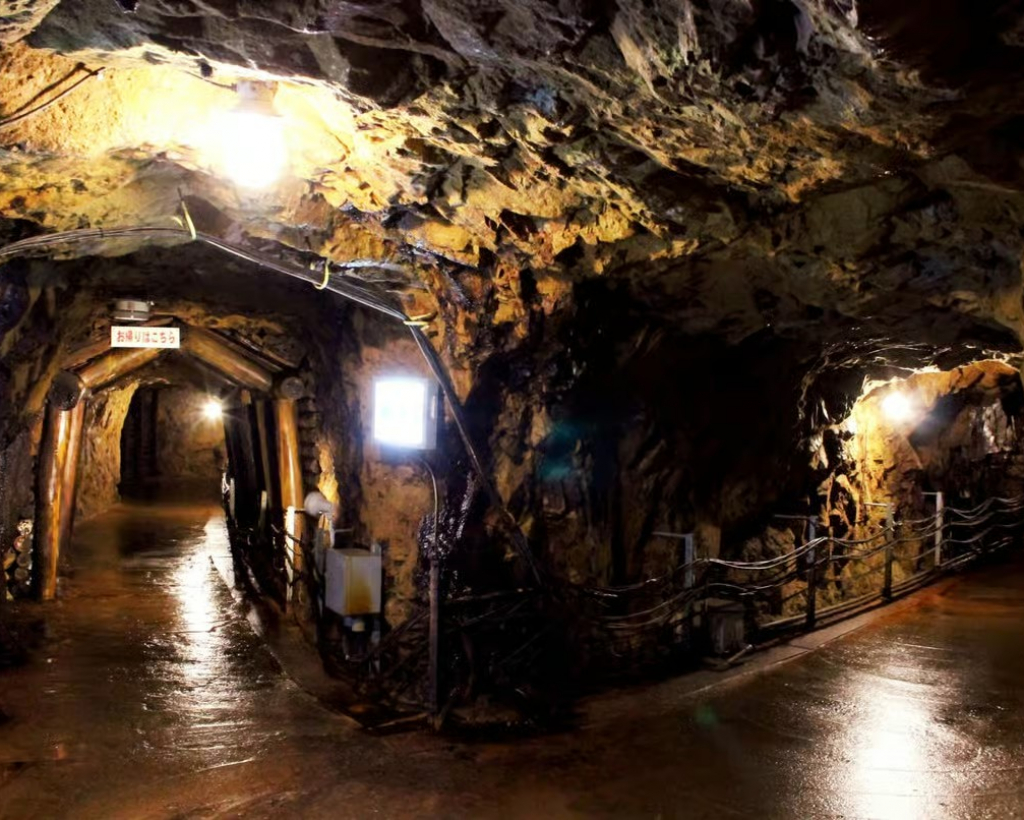
Entering the tunnel, you step into the cool, dim environment where generations of miners once worked. Your guide explains the remarkable contrasts between Edo-period hand-tool excavation and the mechanized mining methods used in the final years before closure. As you walk deeper into the passage, models and life-size displays illustrate how miners carved through rock, transported ore, and adapted to shifting technologies that transformed the rhythm of work over the centuries.
Leaving the tunnel, you proceed to the Fukiya Hall, the historic smelting site where silver ore was refined during the Edo period. Here, your guide explains how Japanese silver circulated across Asia and Europe, fueling trade networks and even altering global silver prices in the 17th century. You gain insight into how a remote mountain mine became intertwined with world history, shaping the fortunes of merchants, warlords, and empires.
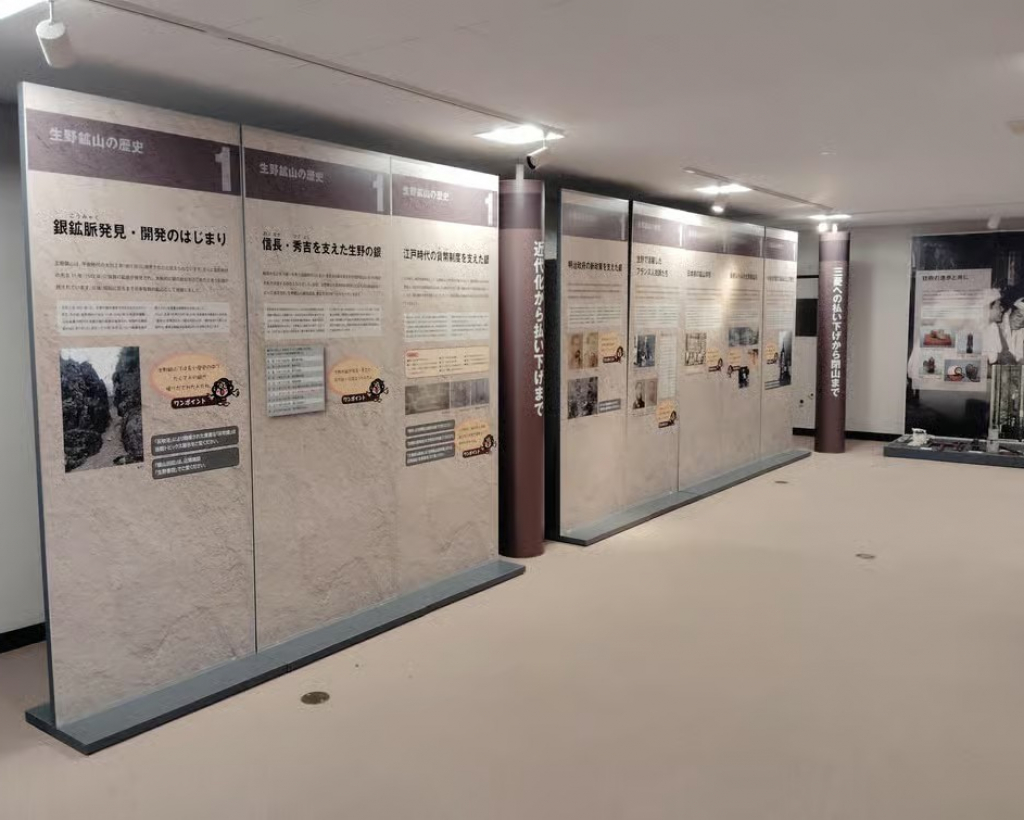
The final stop is the Mine Museum, which displays scale models, tools, documents, and technical diagrams. Because some materials can be highly specialized, your guide introduces them at an accessible level, highlighting the most important features and stories rather than overwhelming visitors with detail. These exhibits reveal the daily lives of miners, the organization of labor, and the deep connection between the town’s growth and the mine’s prosperity.
Your tour concludes back at the Ikuno Mineral Museum, leaving you with a richer understanding of how geology, technology, and human effort combined to make Ikuno one of Japan’s most influential mining centers. By walking through tunnels, workshops, and historical sites, you experience firsthand the legacy of a mine that once linked a mountain valley in Hyogo to the wider world.
Entering the tunnel, you step into the cool, dim environment where generations of miners once worked. Your guide explains the remarkable contrasts between Edo-period hand-tool excavation and the mechanized mining methods used in the final years before closure. As you walk deeper into the passage, models and life-size displays illustrate how miners carved through rock, transported ore, and adapted to shifting technologies that transformed the rhythm of work over the centuries.
Leaving the tunnel, you proceed to the Fukiya Hall, the historic smelting site where silver ore was refined during the Edo period. Here, your guide explains how Japanese silver circulated across Asia and Europe, fueling trade networks and even altering global silver prices in the 17th century. You gain insight into how a remote mountain mine became intertwined with world history, shaping the fortunes of merchants, warlords, and empires.
The final stop is the Mine Museum, which displays scale models, tools, documents, and technical diagrams. Because some materials can be highly specialized, your guide introduces them at an accessible level, highlighting the most important features and stories rather than overwhelming visitors with detail. These exhibits reveal the daily lives of miners, the organization of labor, and the deep connection between the town’s growth and the mine’s prosperity.
Your tour concludes back at the Ikuno Mineral Museum, leaving you with a richer understanding of how geology, technology, and human effort combined to make Ikuno one of Japan’s most influential mining centers. By walking through tunnels, workshops, and historical sites, you experience firsthand the legacy of a mine that once linked a mountain valley in Hyogo to the wider world.