 1.5 hours
 Available languages: English
 Start: Sato Issai Manabi no Hiroba Museum
 1-6
1-6

 Immediate Booking
  Request Booking
Experience details
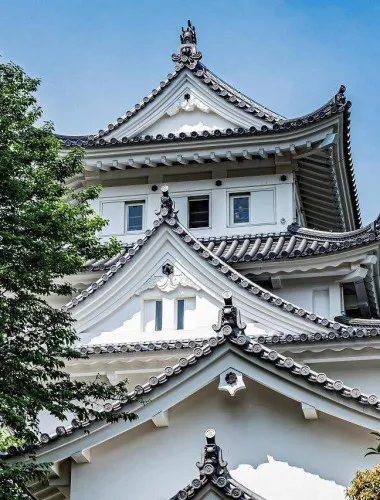
Iwamura, nestled in the mountains of Gifu Prefecture, is a former castle town that has preserved both its historic streets and the roots of Japanese thought. This walking tour invites you to explore Iwamura as a living town shaped by ideas, daily life, and memory, rather than a place frozen in time.
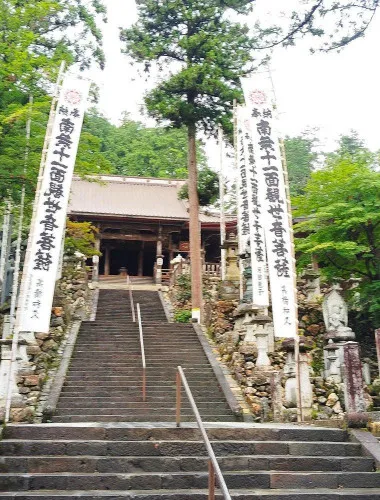
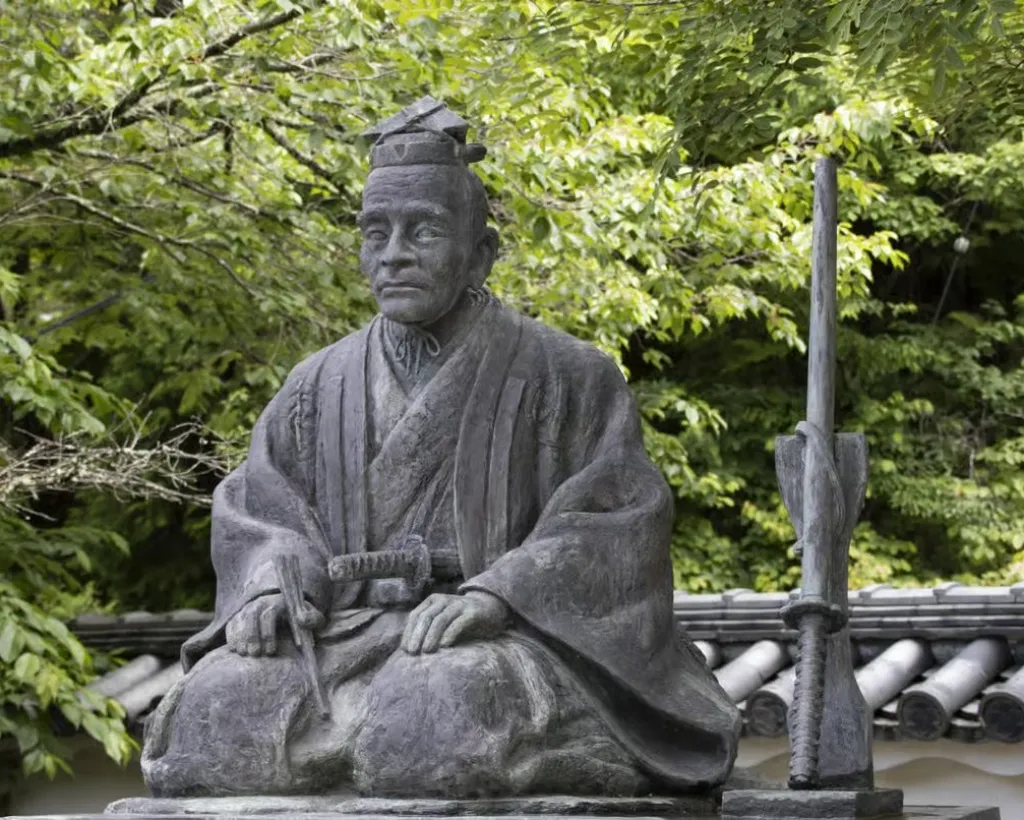
The experience begins at a site closely associated with Sato Issai, a Confucian scholar and thinker of the late Edo period who was born in Iwamura. At the museum dedicated to his life and teachings, you are introduced to the intellectual world that shaped him and influenced later generations. You will learn why Issai’s words have continued to be read and respected, and how his philosophy grew out of the culture of this small castle town.
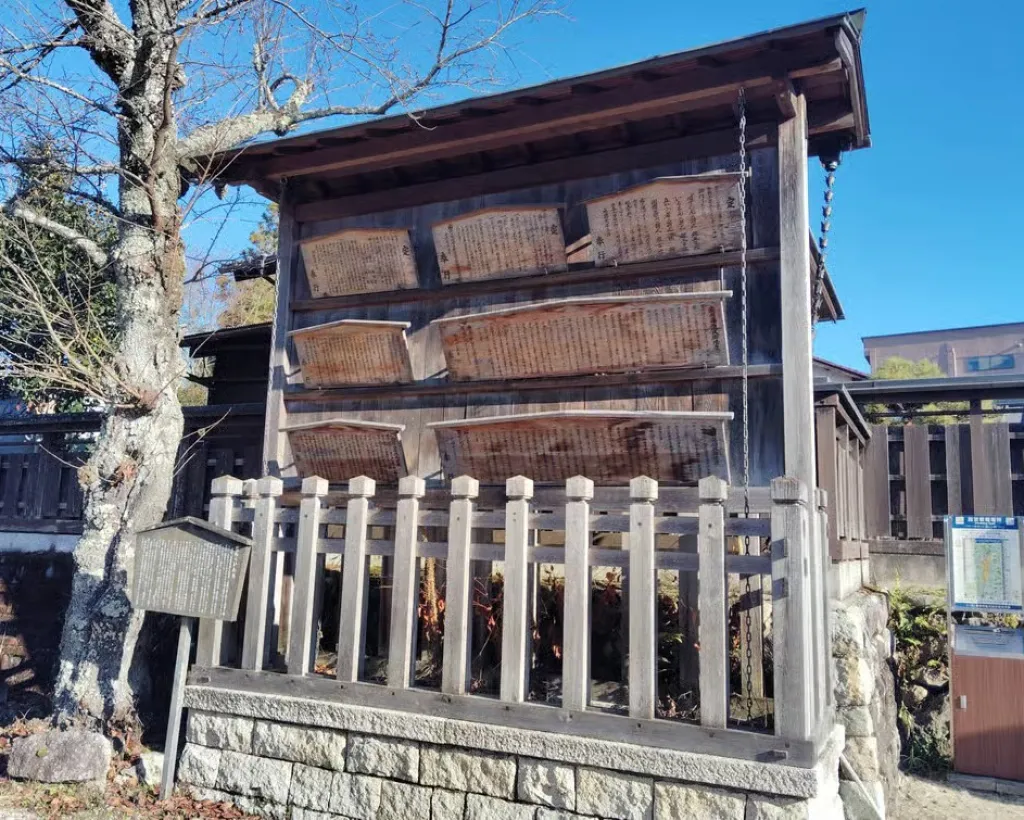
Stepping outside into the town, the structure of Iwamura gradually reveals its original design as a castle town. Walking through the lower streets, you encounter features such as masugata bends and the former site of official notice boards, elements that once supported defense and governance. These spaces show how authority and daily life were closely connected in Edo-period towns. Along the way, plaques displaying Sato Issai’s sayings appear throughout the streets, reminding visitors that his ideas remain part of everyday life here.
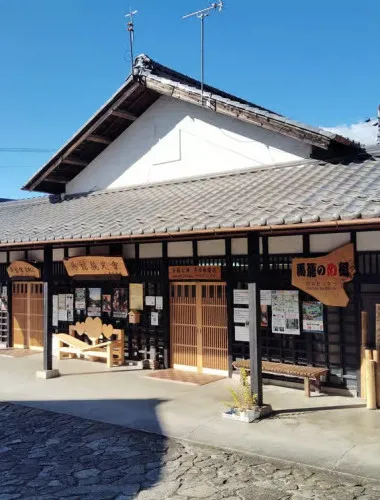
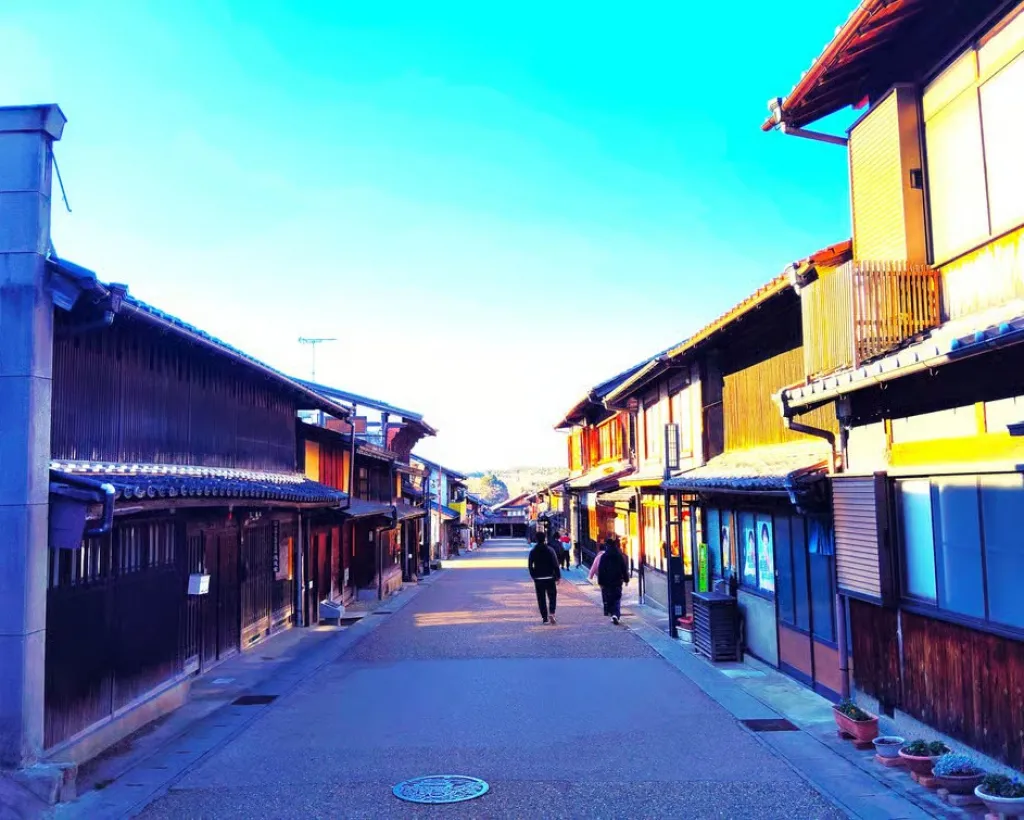
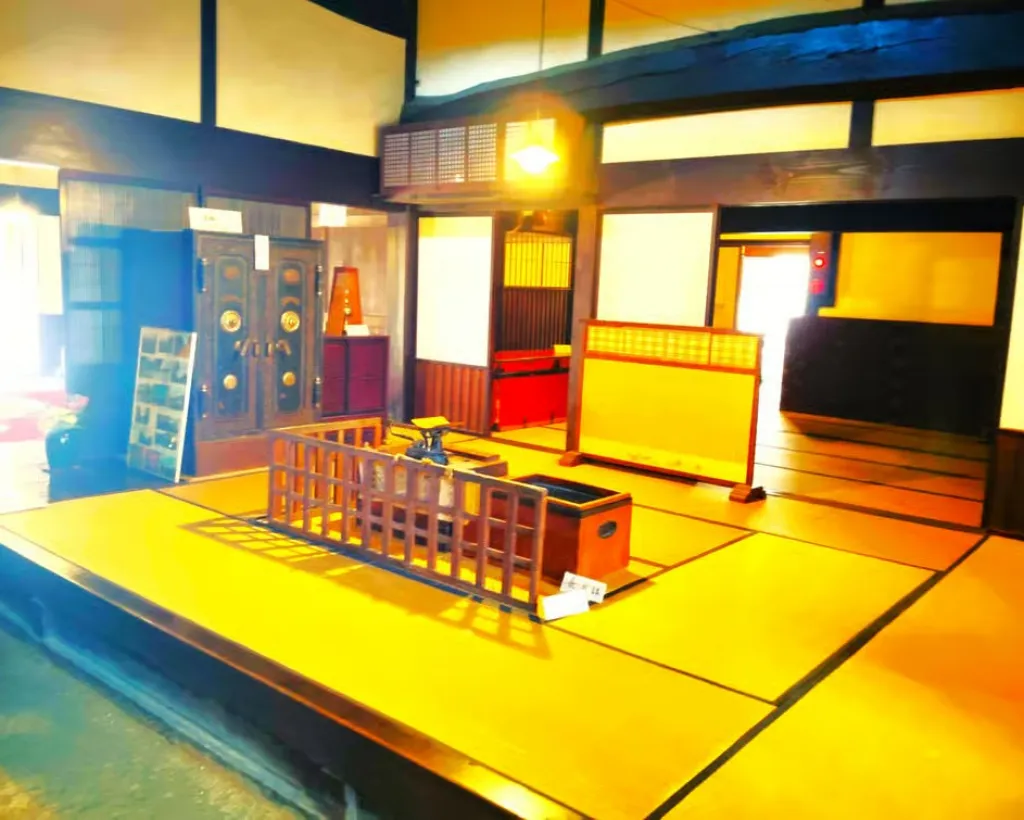
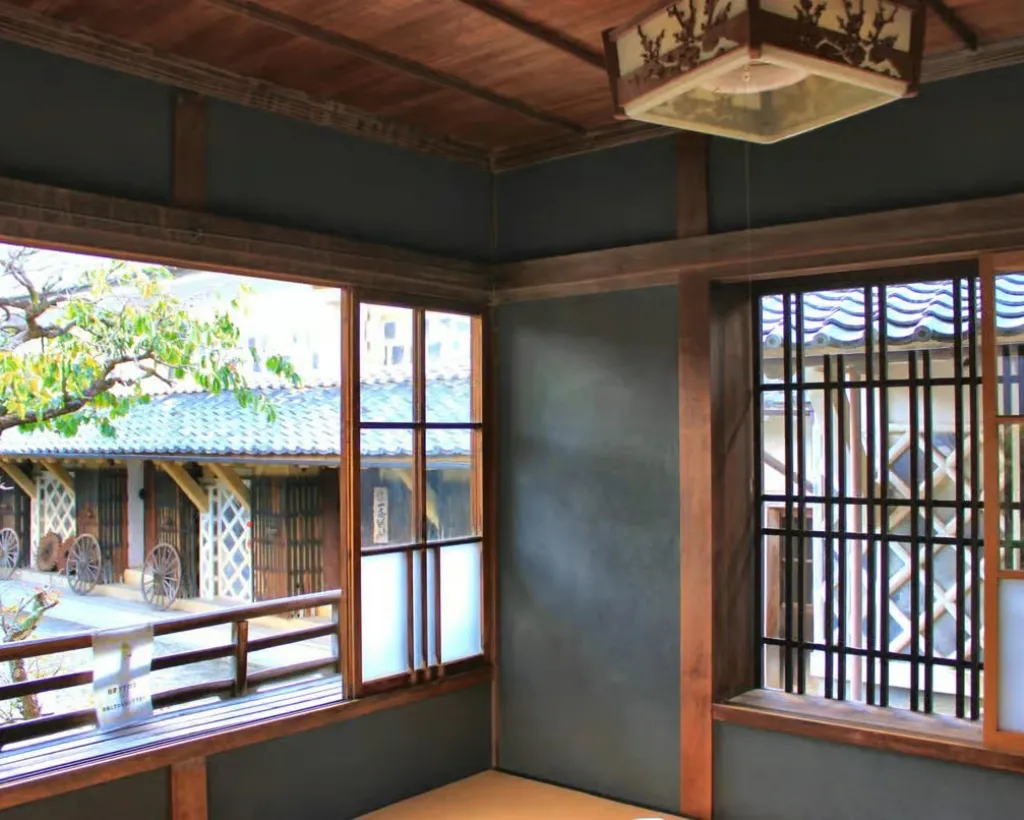
The walk continues through streets lined with traditional merchant houses, some of which are open for viewing. Inside these buildings, you can imagine the commerce and daily routines that once supported the town. Namako-walled facades and wooden architecture create a townscape many Japanese people find familiar and nostalgic. For this reason, Iwamura has often been used as a filming location for movies and television dramas depicting regional towns of the past. The scenery reflects not one moment in history, but a landscape shaped by generations.
Passing along the namako-walled streets, the route gradually returns to the starting point. By the end of the walk, two aspects of Iwamura remain clear. One is the town as a well-preserved castle settlement, where the atmosphere of earlier centuries still lingers. The other is Iwamura as a place connected to one of the sources of Japanese intellectual tradition.
Visiting Iwamura is more than a scenic stroll. It is an experience of stepping into landscapes seen in films while also engaging with ideas that helped shape Japanese ways of thinking. This quiet walk connects scenery, history, and thought, leaving visitors with a lasting sense of depth and calm.
The experience begins at a site closely associated with Sato Issai, a Confucian scholar and thinker of the late Edo period who was born in Iwamura. At the museum dedicated to his life and teachings, you are introduced to the intellectual world that shaped him and influenced later generations. You will learn why Issai’s words have continued to be read and respected, and how his philosophy grew out of the culture of this small castle town.
Stepping outside into the town, the structure of Iwamura gradually reveals its original design as a castle town. Walking through the lower streets, you encounter features such as masugata bends and the former site of official notice boards, elements that once supported defense and governance. These spaces show how authority and daily life were closely connected in Edo-period towns. Along the way, plaques displaying Sato Issai’s sayings appear throughout the streets, reminding visitors that his ideas remain part of everyday life here.
The walk continues through streets lined with traditional merchant houses, some of which are open for viewing. Inside these buildings, you can imagine the commerce and daily routines that once supported the town. Namako-walled facades and wooden architecture create a townscape many Japanese people find familiar and nostalgic. For this reason, Iwamura has often been used as a filming location for movies and television dramas depicting regional towns of the past. The scenery reflects not one moment in history, but a landscape shaped by generations.
Passing along the namako-walled streets, the route gradually returns to the starting point. By the end of the walk, two aspects of Iwamura remain clear. One is the town as a well-preserved castle settlement, where the atmosphere of earlier centuries still lingers. The other is Iwamura as a place connected to one of the sources of Japanese intellectual tradition.
Visiting Iwamura is more than a scenic stroll. It is an experience of stepping into landscapes seen in films while also engaging with ideas that helped shape Japanese ways of thinking. This quiet walk connects scenery, history, and thought, leaving visitors with a lasting sense of depth and calm.