 2 hours
 Available languages: English
 Start: Tamba-Sasayama Taisho Roman-kan
 1-6
1-6 Private

 Immediate Booking
  Request Booking
Experience details
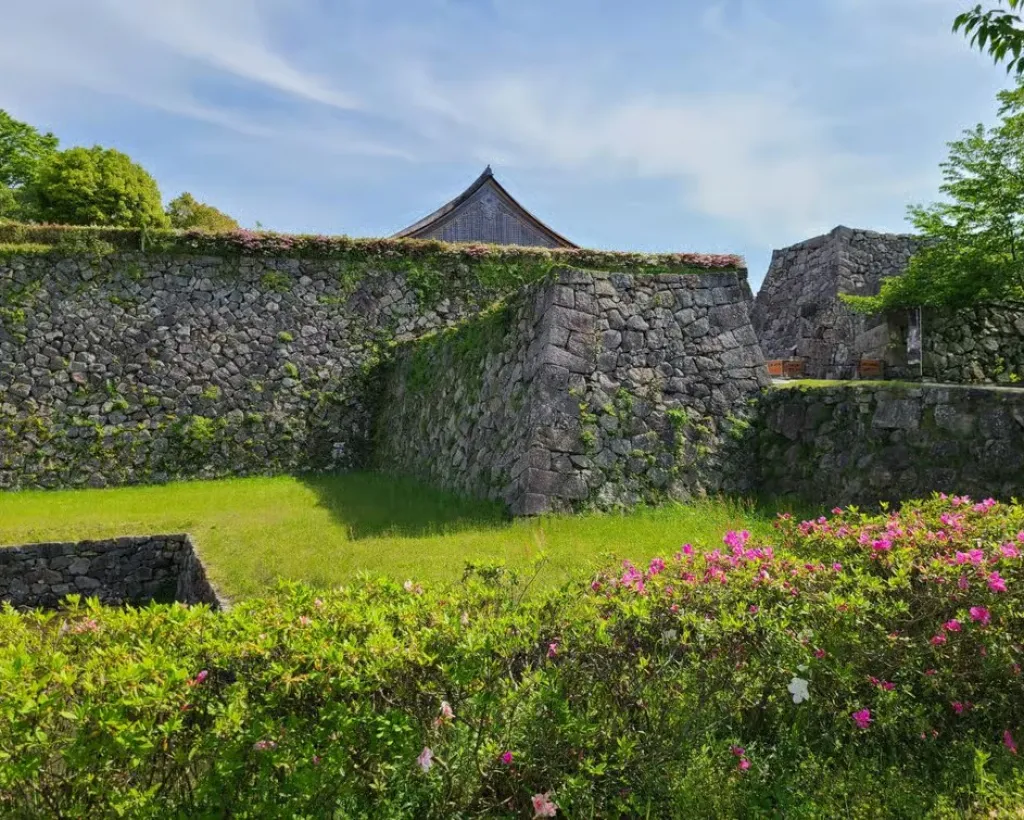
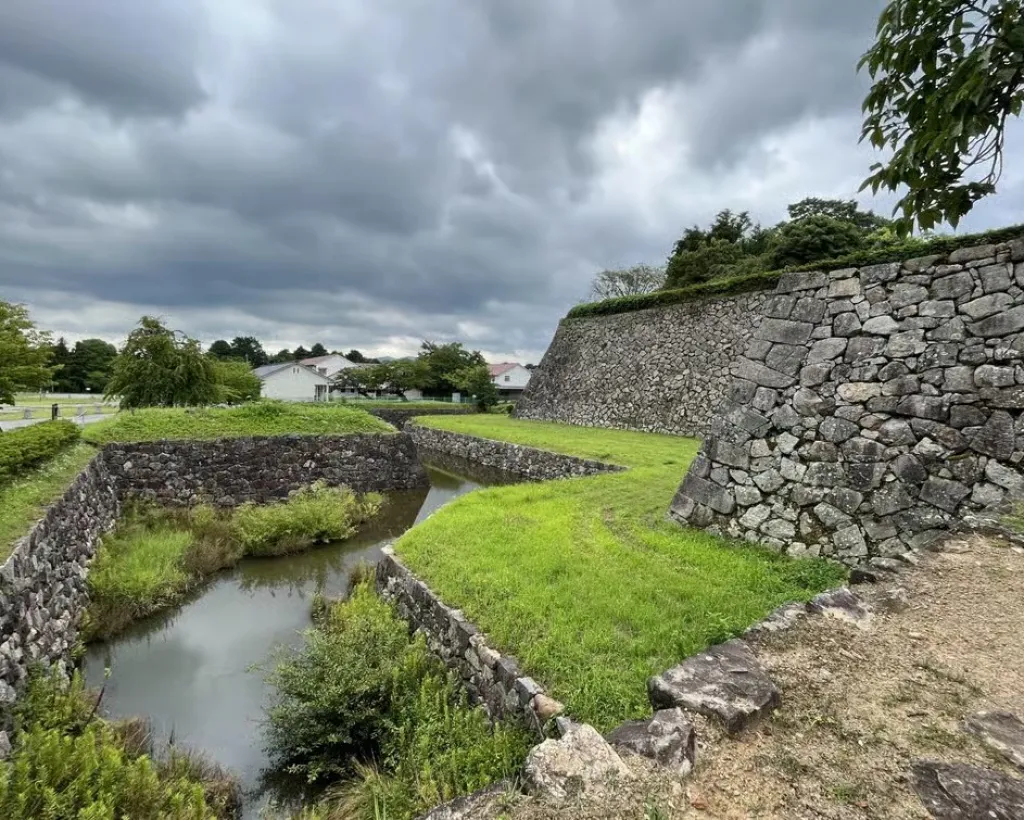
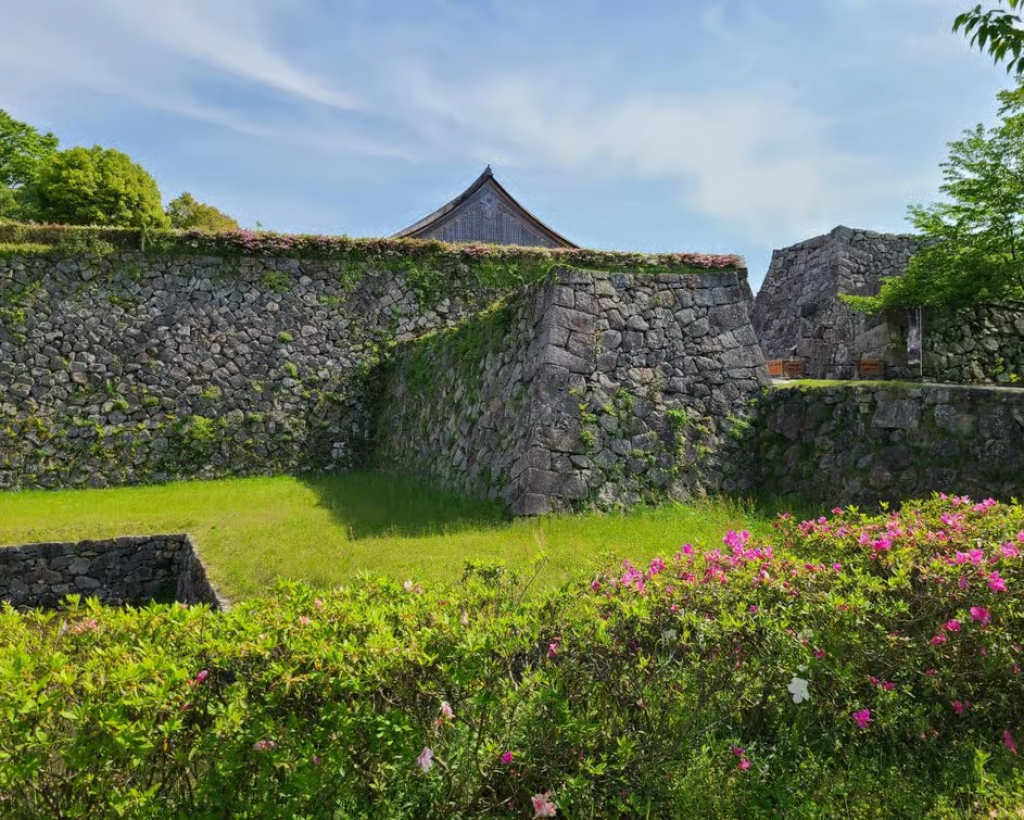
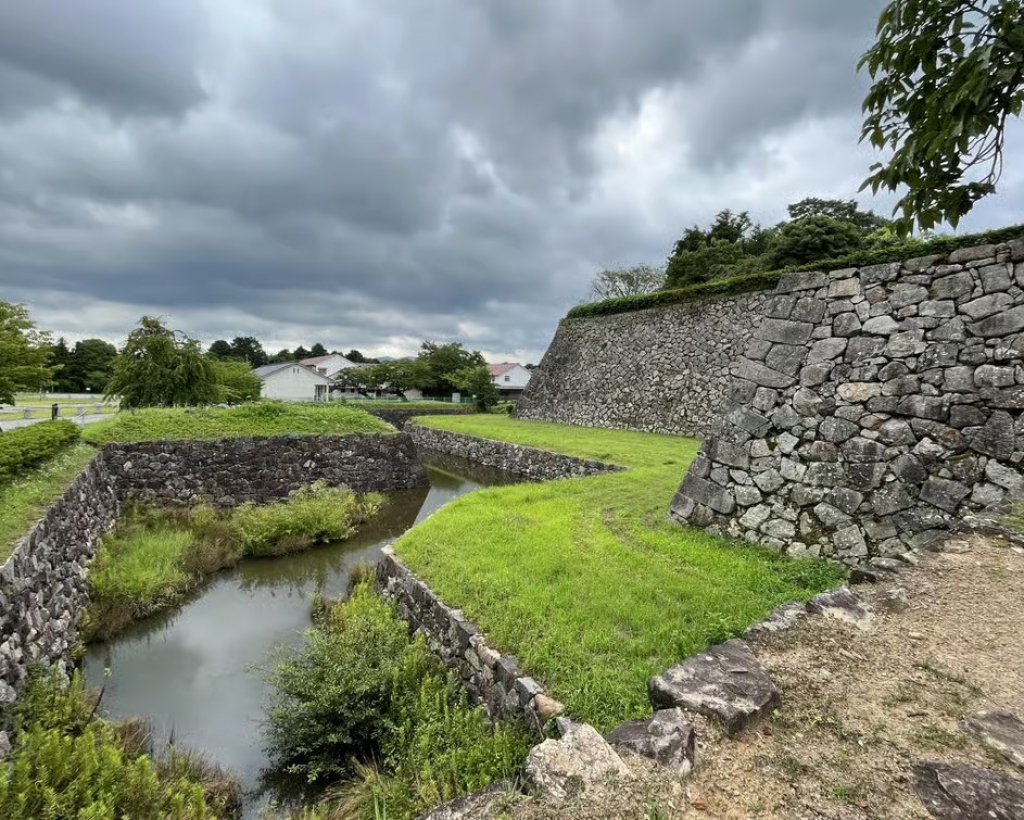
Begin your journey near the Taisho Roman-kan, a landmark of the town, before walking toward Sasayama Castle. See the remnants of defensive gate formations, stone walls, and masugata-style enclosures that reveal how carefully the fortress was engineered to guard this strategic crossroads of the Tamba region.
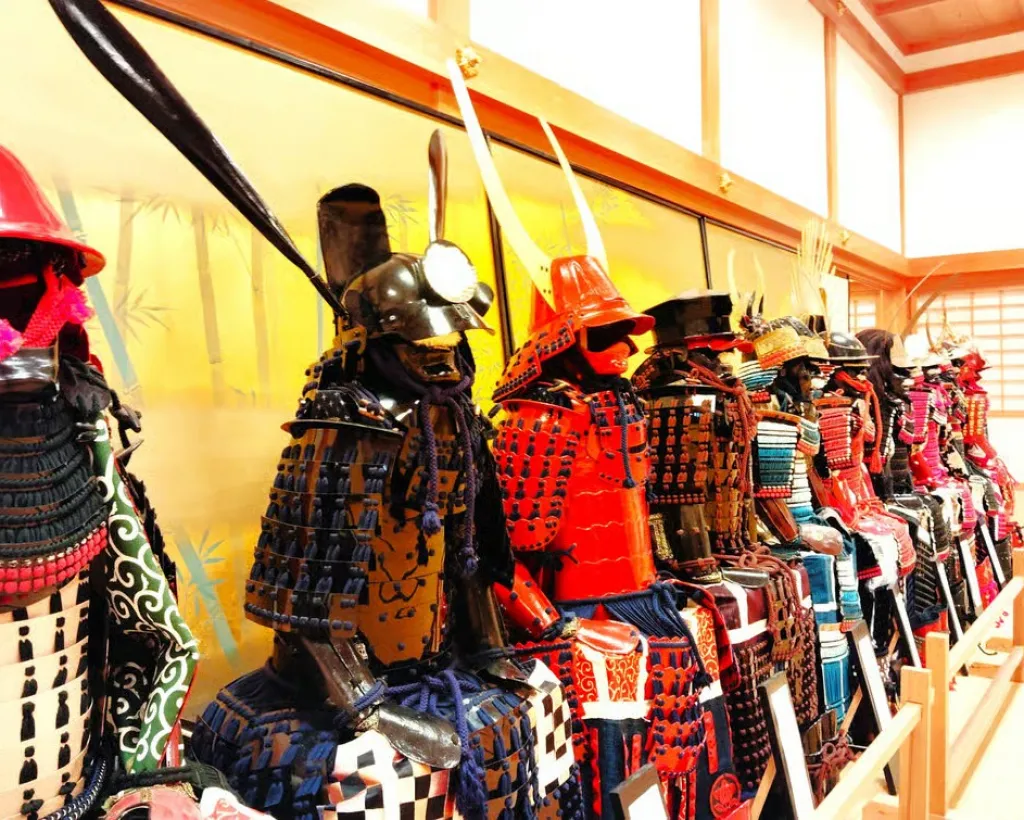
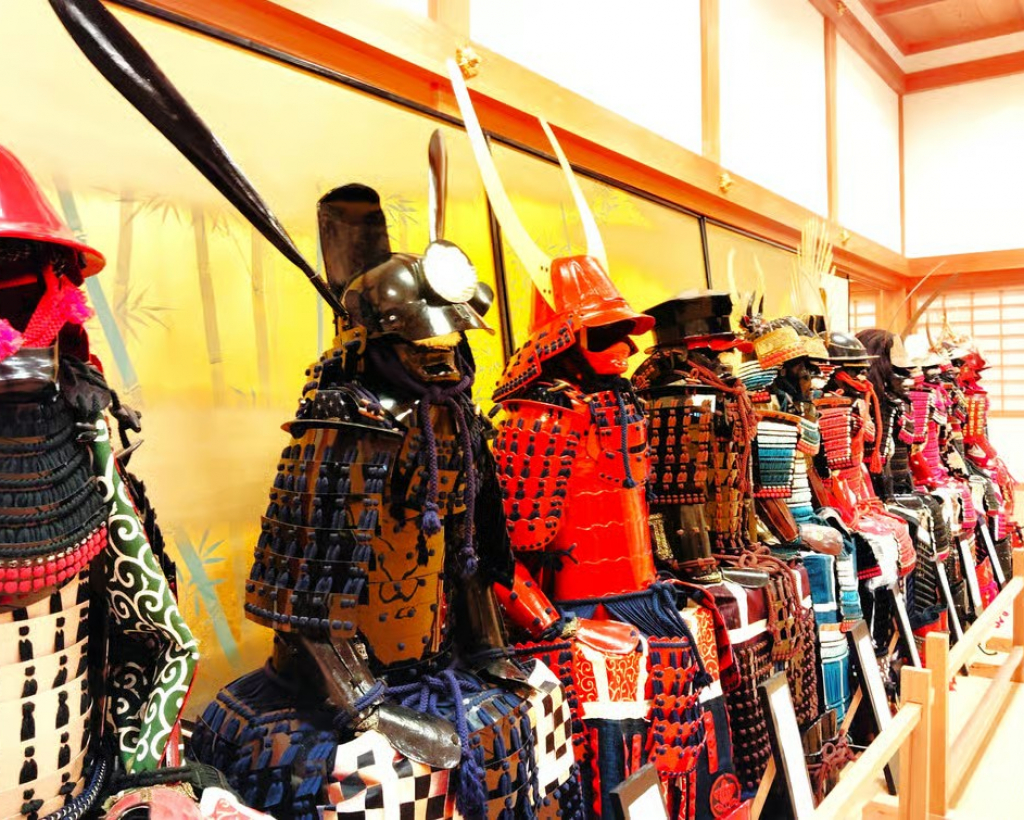
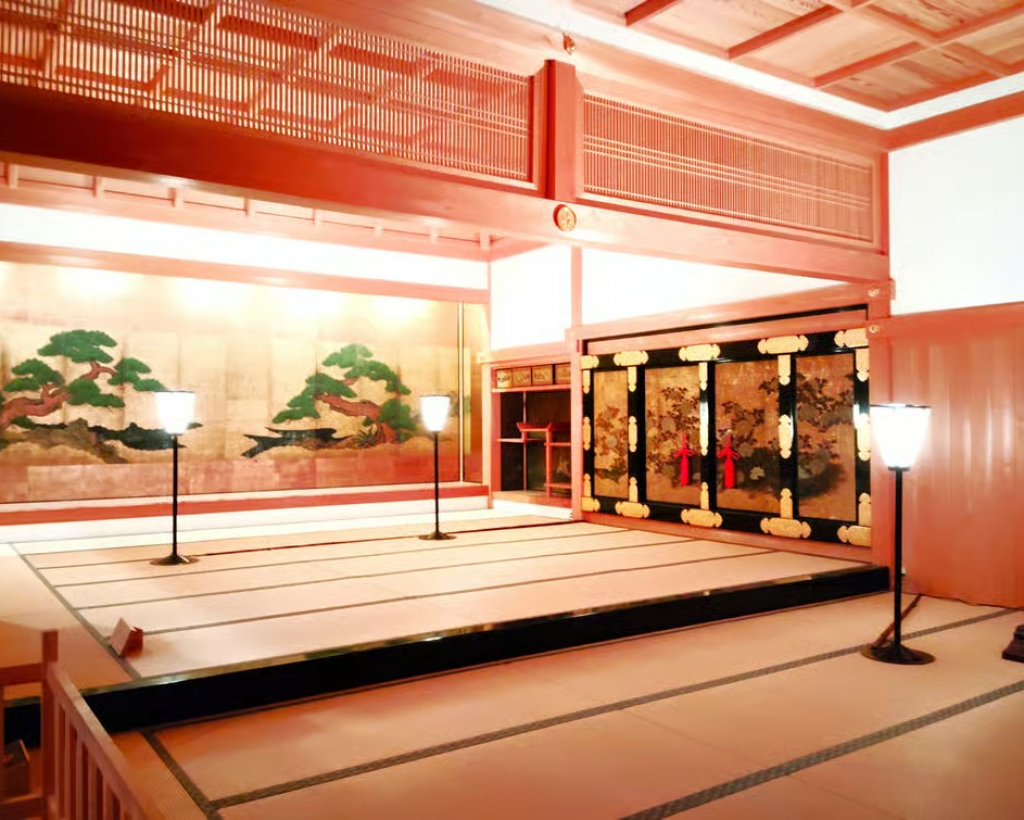
Upon entering the magnificent Oshoin Hall—the reconstructed grand hall that once served as the castle’s formal reception space—explore exhibits that explain why Sasayama Castle was built by the Tokugawa shogunate in the early 17th century, the political tensions that defined Tamba during the Sengoku and early Edo periods, and the changing roles of successive domain lords.
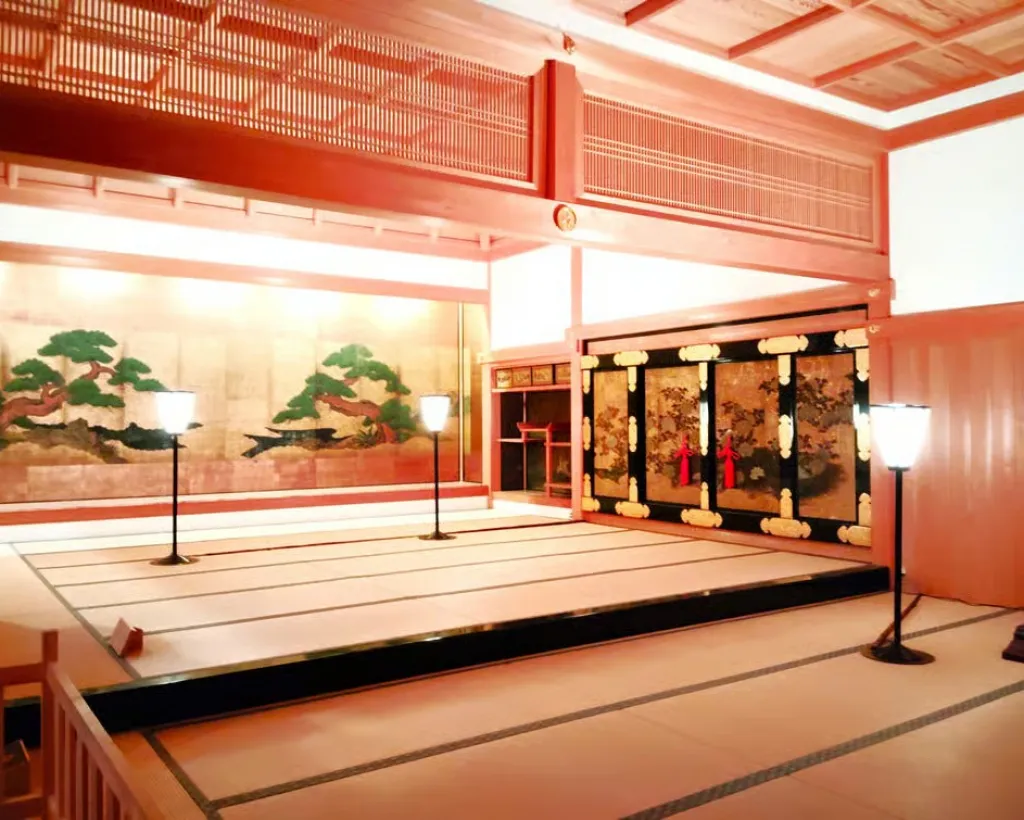
Admire the expansive tatami rooms, painted panels, and architectural features that provide insight into feudal etiquette, authority, and the ceremonial life of a castle’s inner administration.
Leaving the Oshoin, stroll across the castle’s inner bailey, gaining a clearer sense of the castle’s layout and its purpose not only as a defensive stronghold but also as a seat of governance that oversaw the surrounding agricultural basin.
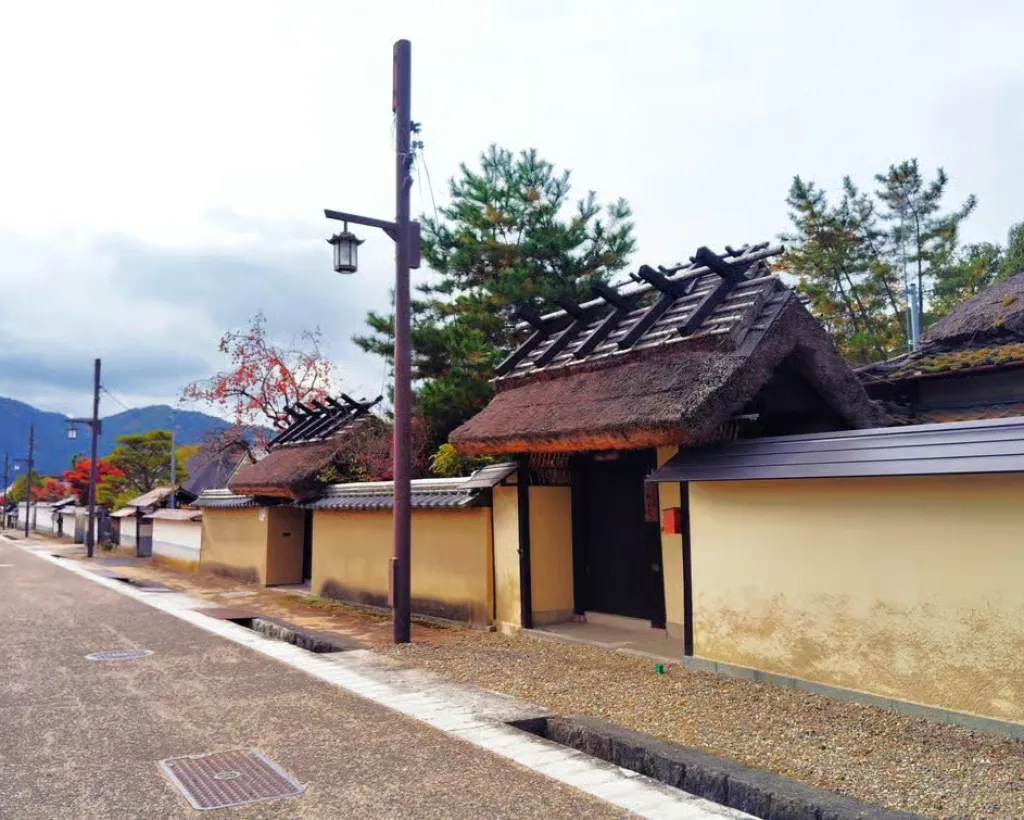
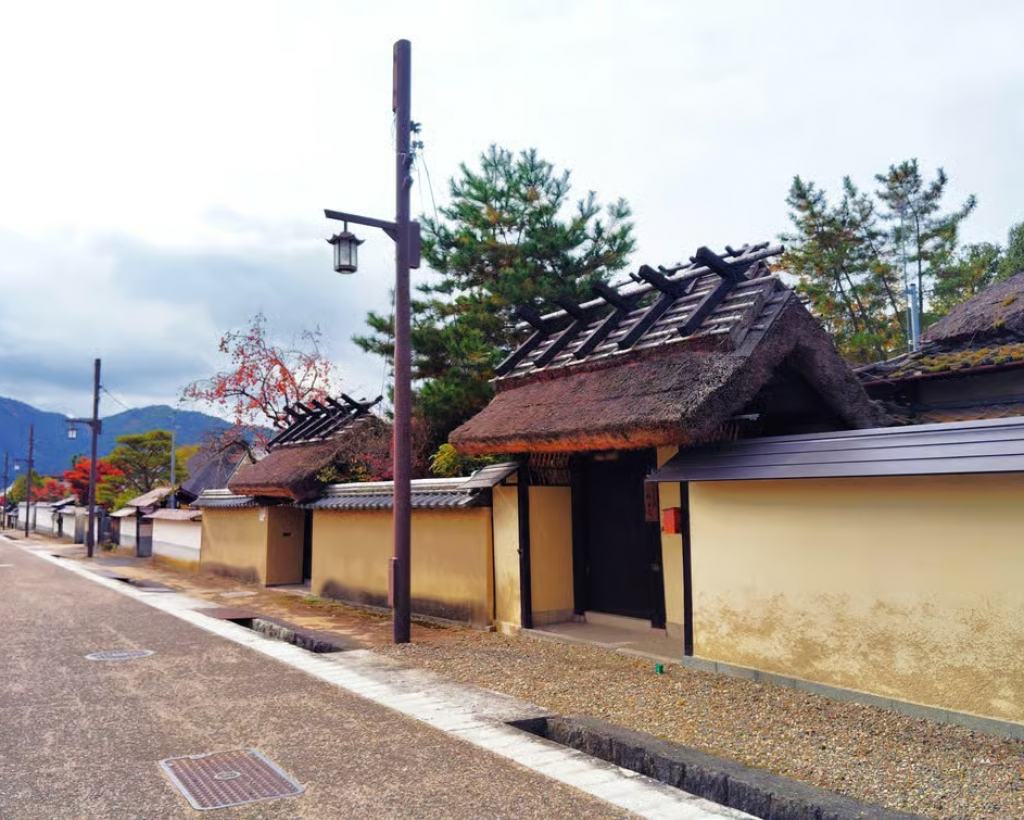
Continue into the preserved samurai district, where rows of earthen walls, narrow lanes, and traditional architectural forms convey the quiet dignity of the warriors who lived there. Learn about the history of this Important Preservation District, and hear how its street grid and residential structures reflect the social hierarchy of the Edo period.
At the Anma Family Samurai Residence, step inside an authentic home once inhabited by mid-ranking retainers. Learn about the architecture of a Japanese samurai household—its tatami rooms, earthen-floor kitchen, storage spaces, and gardens—and how daily life blended simplicity, discipline, and a close relationship with nature and seasonal rhythms.
As you walk back toward the Taisho Roman-kan, the castle town reveals its layered character: a place where military strategy, political authority, and everyday life overlapped for centuries. By the end of the tour, gain a deeper understanding of Sasayama Castle’s historical significance, the cultural identity of samurai society, and the unique charm that continues to define this beautifully preserved castle town.
Upon entering the magnificent Oshoin Hall—the reconstructed grand hall that once served as the castle’s formal reception space—explore exhibits that explain why Sasayama Castle was built by the Tokugawa shogunate in the early 17th century, the political tensions that defined Tamba during the Sengoku and early Edo periods, and the changing roles of successive domain lords.
Admire the expansive tatami rooms, painted panels, and architectural features that provide insight into feudal etiquette, authority, and the ceremonial life of a castle’s inner administration.
Leaving the Oshoin, stroll across the castle’s inner bailey, gaining a clearer sense of the castle’s layout and its purpose not only as a defensive stronghold but also as a seat of governance that oversaw the surrounding agricultural basin.
Continue into the preserved samurai district, where rows of earthen walls, narrow lanes, and traditional architectural forms convey the quiet dignity of the warriors who lived there. Learn about the history of this Important Preservation District, and hear how its street grid and residential structures reflect the social hierarchy of the Edo period.
At the Anma Family Samurai Residence, step inside an authentic home once inhabited by mid-ranking retainers. Learn about the architecture of a Japanese samurai household—its tatami rooms, earthen-floor kitchen, storage spaces, and gardens—and how daily life blended simplicity, discipline, and a close relationship with nature and seasonal rhythms.
As you walk back toward the Taisho Roman-kan, the castle town reveals its layered character: a place where military strategy, political authority, and everyday life overlapped for centuries. By the end of the tour, gain a deeper understanding of Sasayama Castle’s historical significance, the cultural identity of samurai society, and the unique charm that continues to define this beautifully preserved castle town.