 3 hours
 Available languages: English
 Start: NewDays Hiraizumi (Hiraizumi Station)
 1-6
1-6

 Immediate Booking
  Request Booking
Experience details
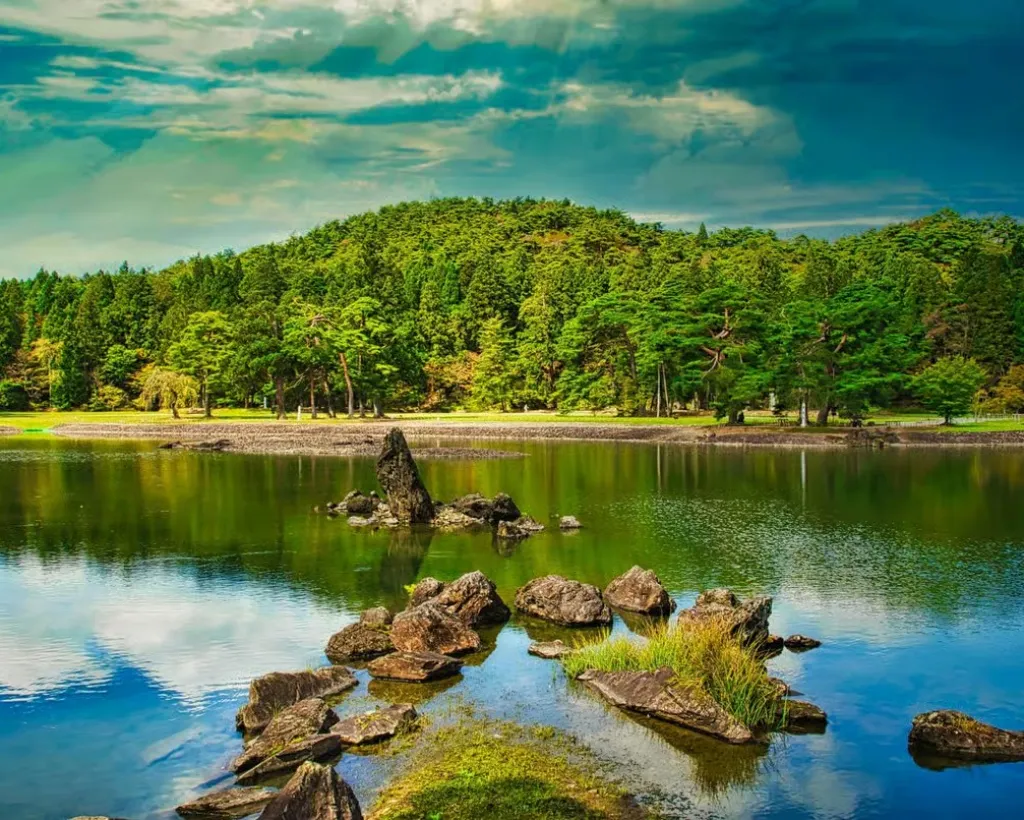
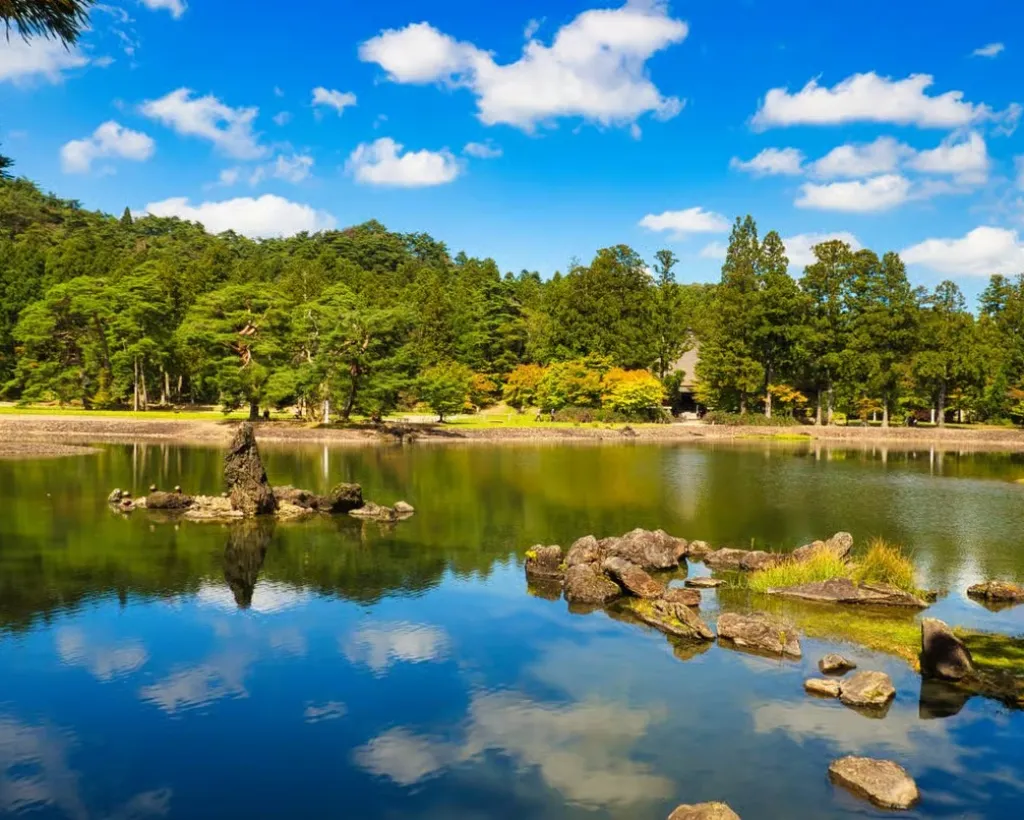
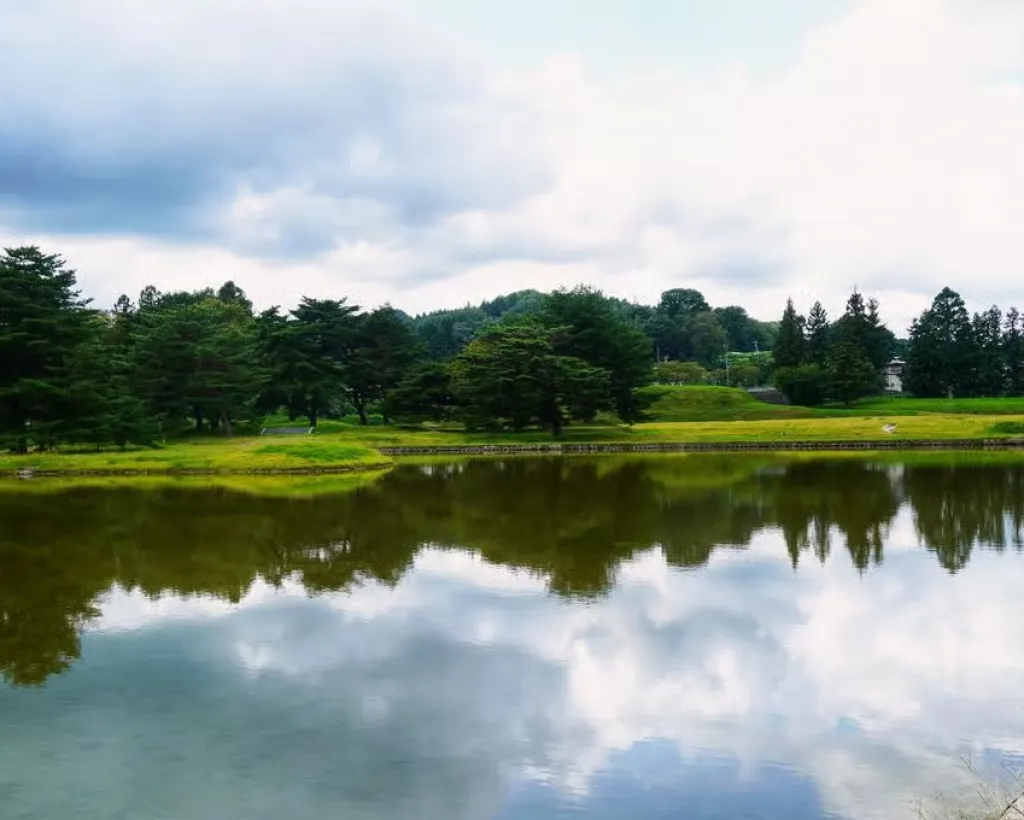
Begin your tour at Motsu-ji Temple, where Hiraizumi’s Pure Land vision can be most easily understood through sight. Centered around a spacious pond garden, Motsu-ji represents the idea of the Buddhist Pure Land as a harmonious and peaceful realm governed by Amida Buddha.
As you walk through the temple grounds, your guide explains how Pure Land thought shaped both religious practice and urban planning in Hiraizumi, revealing the close relationship between spiritual belief and the political ambitions of the Oshu Fujiwara clan.
From Motsu-ji, continue on foot to the site of Muryoko-in, a temple complex that no longer stands but remains essential to understanding Hiraizumi’s spiritual landscape. This temple was once modeled on the Phoenix Hall of Byodoin in Kyoto, though built on an even grander scale.
Standing at the ruins today, imagine the lost architecture and reflect on how faith once transformed this open space into a vivid spiritual world shaped as much by belief and imagination as by stone and wood.
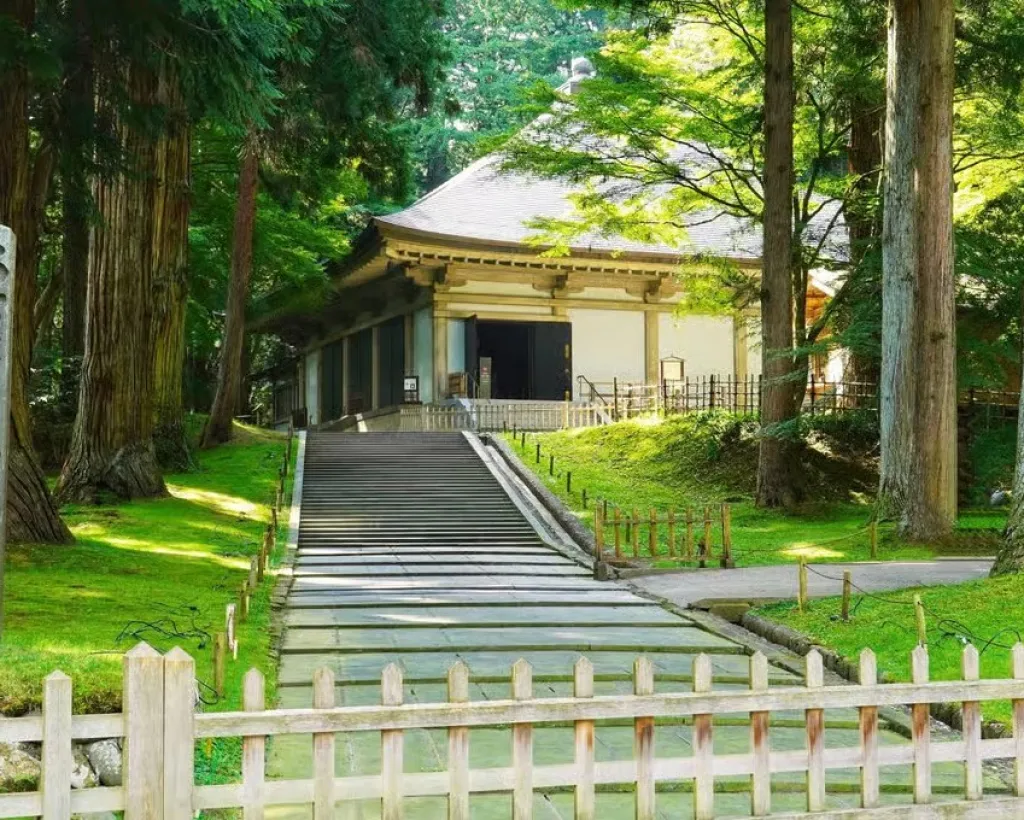
The final stage of the tour leads to Chuson-ji Temple, the spiritual heart of Hiraizumi. Set along the forested slopes of a hill, the temple complex unfolds gradually as one moves deeper into the grounds, symbolizing the journey from the ordinary world toward enlightenment.
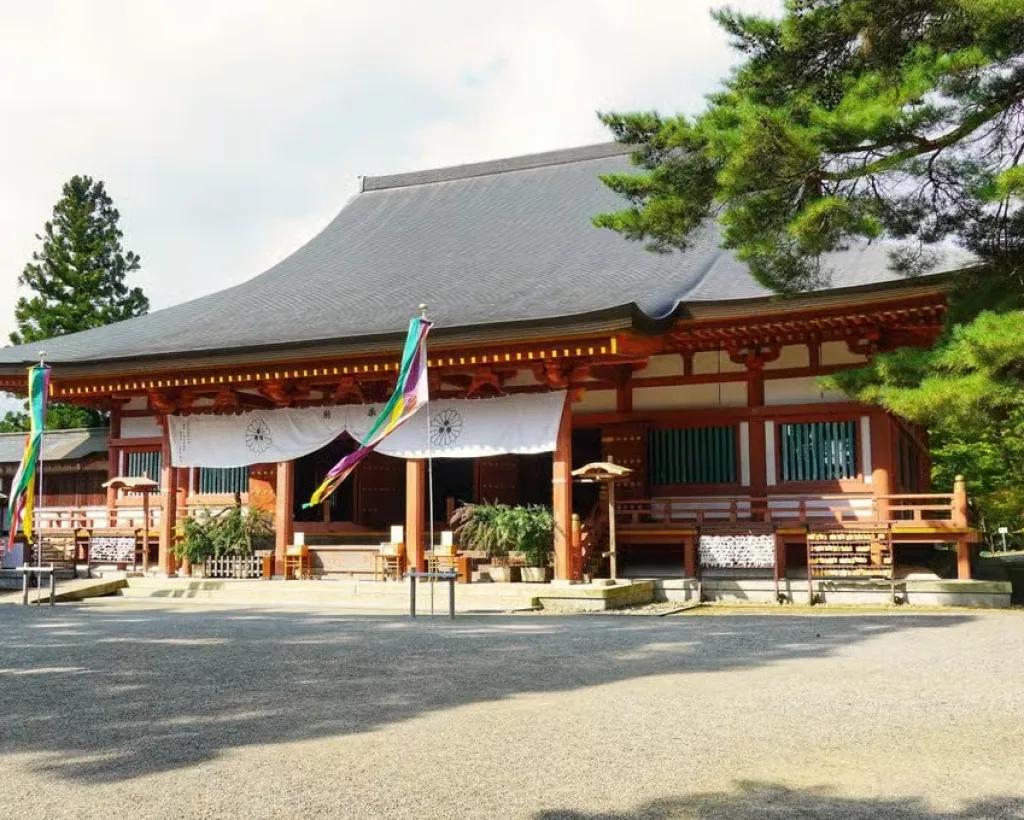
Here, the guide introduces the main hall and the famed Konjikido, or Golden Hall, where Pure Land ideas are expressed in their most concentrated and symbolic form. Covered in gold and richly decorated, the Konjikido represents the splendor of Amida Buddha’s paradise, while also serving as the mausoleum of three generations of the Oshu Fujiwara clan.
Their remains, enshrined within, speak to a deep desire for peace after death and eternal rebirth in the Pure Land. At the same time, the hall’s quiet, enclosed atmosphere invites reflection on the fleeting nature of worldly power and the rise and fall of the Fujiwara lineage.
As you walk through the temple grounds, your guide explains how Pure Land thought shaped both religious practice and urban planning in Hiraizumi, revealing the close relationship between spiritual belief and the political ambitions of the Oshu Fujiwara clan.
From Motsu-ji, continue on foot to the site of Muryoko-in, a temple complex that no longer stands but remains essential to understanding Hiraizumi’s spiritual landscape. This temple was once modeled on the Phoenix Hall of Byodoin in Kyoto, though built on an even grander scale.
Standing at the ruins today, imagine the lost architecture and reflect on how faith once transformed this open space into a vivid spiritual world shaped as much by belief and imagination as by stone and wood.
The final stage of the tour leads to Chuson-ji Temple, the spiritual heart of Hiraizumi. Set along the forested slopes of a hill, the temple complex unfolds gradually as one moves deeper into the grounds, symbolizing the journey from the ordinary world toward enlightenment.
Here, the guide introduces the main hall and the famed Konjikido, or Golden Hall, where Pure Land ideas are expressed in their most concentrated and symbolic form. Covered in gold and richly decorated, the Konjikido represents the splendor of Amida Buddha’s paradise, while also serving as the mausoleum of three generations of the Oshu Fujiwara clan.
Their remains, enshrined within, speak to a deep desire for peace after death and eternal rebirth in the Pure Land. At the same time, the hall’s quiet, enclosed atmosphere invites reflection on the fleeting nature of worldly power and the rise and fall of the Fujiwara lineage.