 1 hour
 Available languages: English
 Start: Kuromon Gate of Tokugawa-en
 1-6
1-6

 Immediate Booking
  Request Booking
Experience details
Experience the refined beauty and philosophy of a traditional Japanese garden through a guided walk in Tokugawa-en, one of Nagoya’s most distinguished daimyo gardens. Created by the Owari branch of the Tokugawa family, Tokugawa-en was not simply designed as a place to admire nature, but as a carefully structured landscape that served both as a space of relaxation for the lord and as a setting to welcome important domestic and foreign guests. Every element of the garden was intended to communicate harmony, authority, and cultivated taste through the controlled expression of nature.
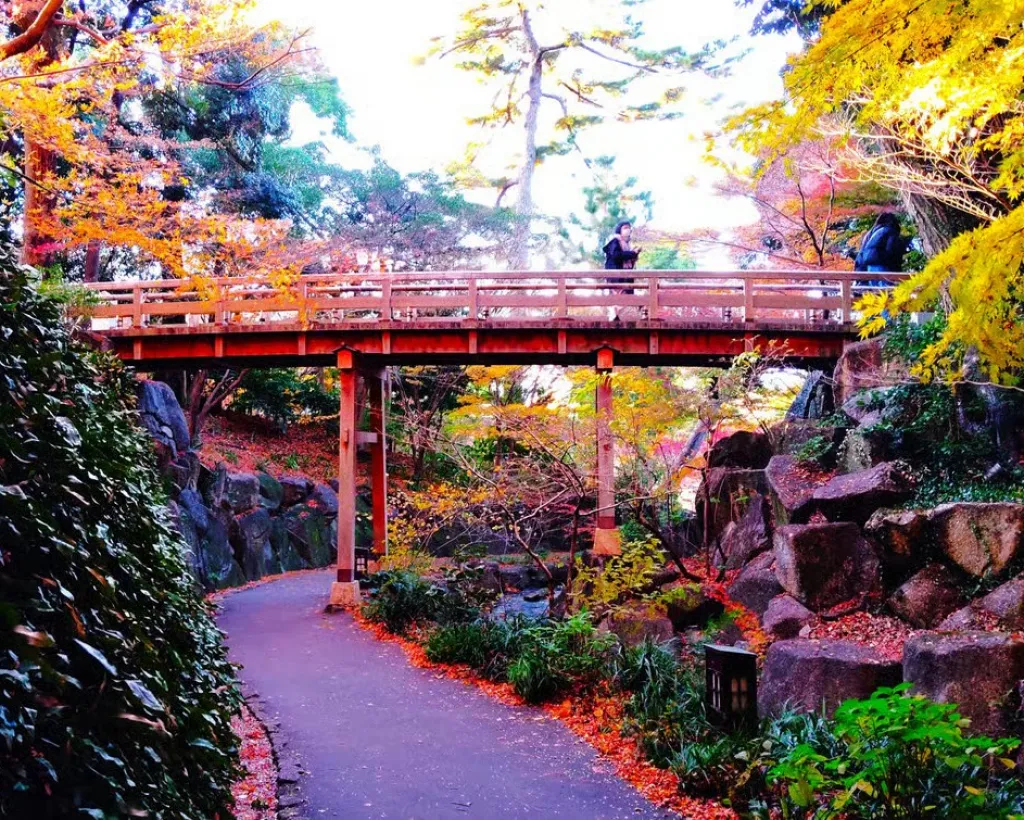
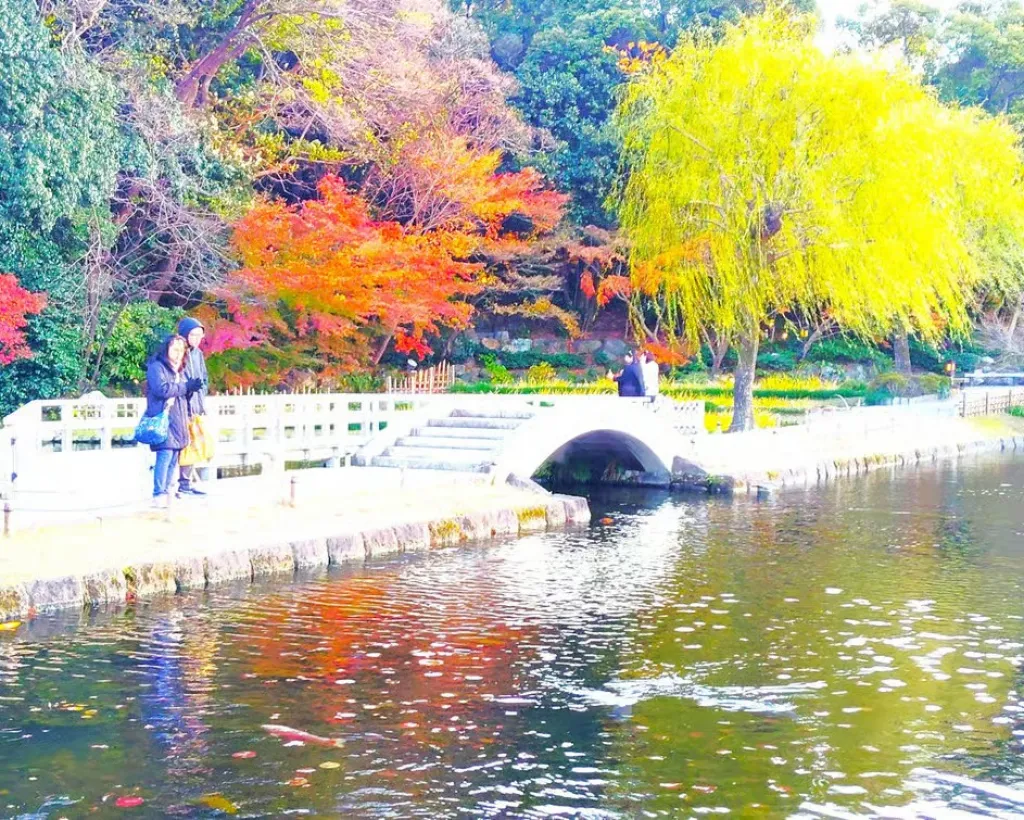
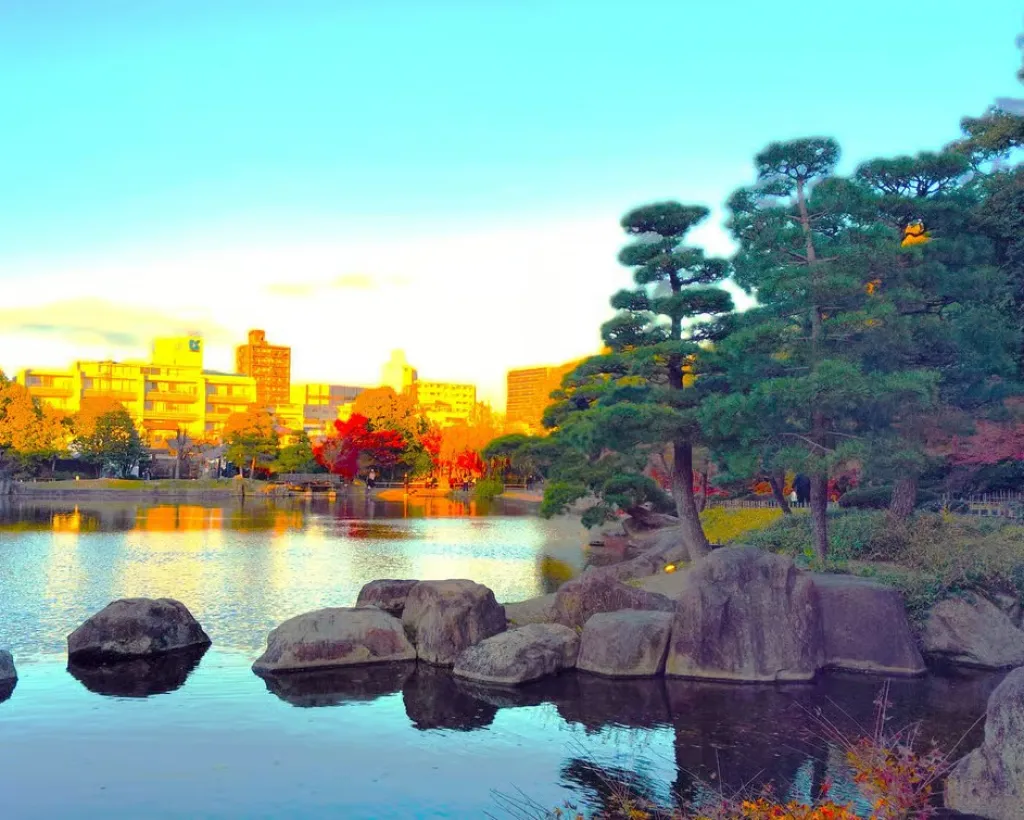
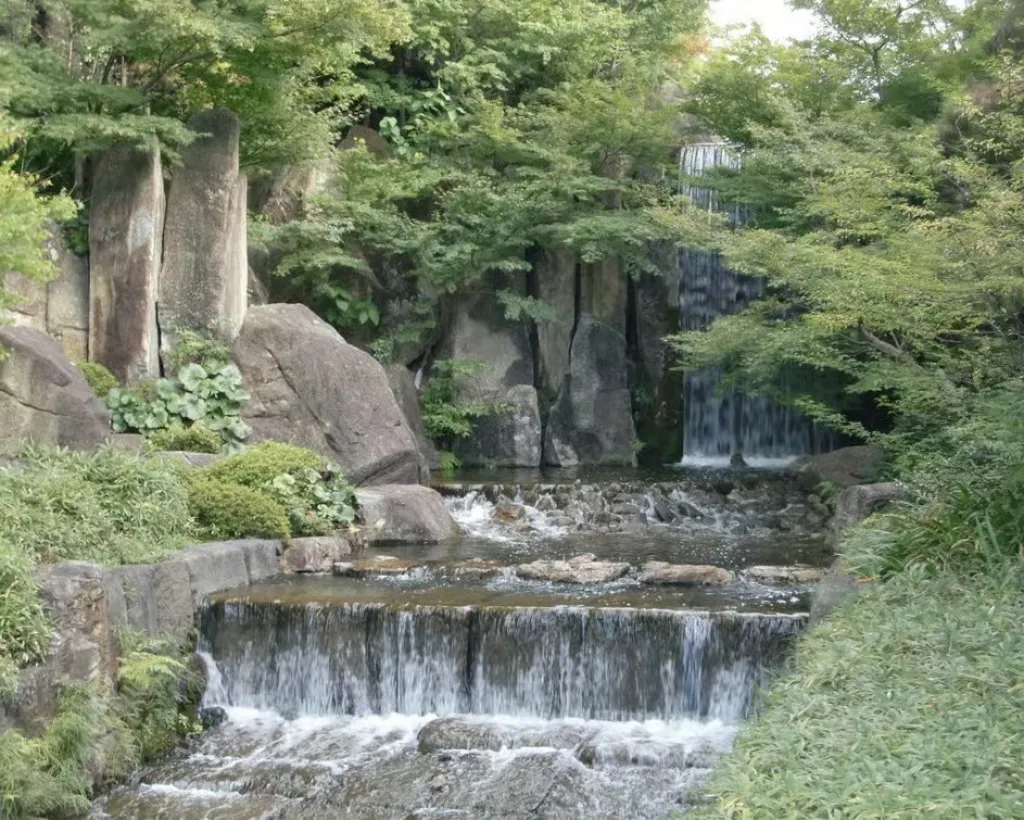
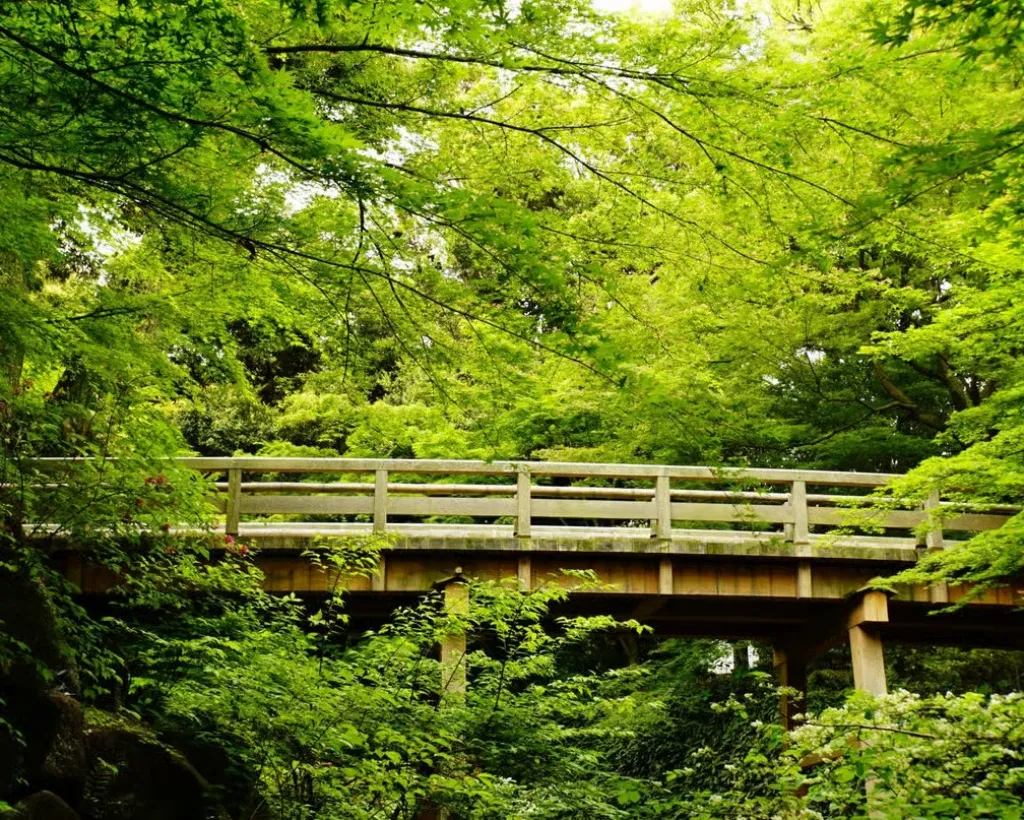
Tokugawa-en is designed in the kaiyū-shiki teien style, or strolling pond garden, in which the scenery unfolds gradually as visitors walk along a prescribed route. Centered around a large pond, the garden reveals a series of changing views—open water reflecting the sky, wooded paths leading to secluded inlets, dramatic stones arranged to suggest mountains, and waterfalls that introduce movement and sound into the landscape. Unlike formal Western gardens that present a single fixed perspective, a Japanese garden is experienced through motion, encouraging visitors to slow down and observe how each scene transitions naturally into the next.
The landscape of Tokugawa-en draws inspiration from China’s West Lake, a famous cultural and poetic ideal in East Asia, while transforming it through Japanese aesthetics and spatial sensitivity. Through this process of shukkei, or “miniaturized scenery,” distant mountains, rivers, and lakes are symbolically recreated within a limited space, allowing visitors to encounter an idealized natural world shaped by human intention. Seasonal plants further enhance this experience, ensuring that the garden presents a different atmosphere throughout the year.
As you move through the garden, learn about the broader cultural role of Japanese gardens and the specific significance of daimyo gardens in the early modern period. These spaces were not merely ornamental, but functioned as stages for diplomacy, contemplation, and the display of political stability. By walking through Tokugawa-en, gain insight into how Japanese elites understood nature, power, and beauty as interconnected concepts. The experience balances explanation with time for photography and quiet appreciation, allowing each visitor to absorb the garden at their own pace. Through this immersive walk, Tokugawa-en reveals Japanese garden design not as static scenery, but as a living art form meant to be discovered step by step.
Tokugawa-en is designed in the kaiyū-shiki teien style, or strolling pond garden, in which the scenery unfolds gradually as visitors walk along a prescribed route. Centered around a large pond, the garden reveals a series of changing views—open water reflecting the sky, wooded paths leading to secluded inlets, dramatic stones arranged to suggest mountains, and waterfalls that introduce movement and sound into the landscape. Unlike formal Western gardens that present a single fixed perspective, a Japanese garden is experienced through motion, encouraging visitors to slow down and observe how each scene transitions naturally into the next.
The landscape of Tokugawa-en draws inspiration from China’s West Lake, a famous cultural and poetic ideal in East Asia, while transforming it through Japanese aesthetics and spatial sensitivity. Through this process of shukkei, or “miniaturized scenery,” distant mountains, rivers, and lakes are symbolically recreated within a limited space, allowing visitors to encounter an idealized natural world shaped by human intention. Seasonal plants further enhance this experience, ensuring that the garden presents a different atmosphere throughout the year.
As you move through the garden, learn about the broader cultural role of Japanese gardens and the specific significance of daimyo gardens in the early modern period. These spaces were not merely ornamental, but functioned as stages for diplomacy, contemplation, and the display of political stability. By walking through Tokugawa-en, gain insight into how Japanese elites understood nature, power, and beauty as interconnected concepts. The experience balances explanation with time for photography and quiet appreciation, allowing each visitor to absorb the garden at their own pace. Through this immersive walk, Tokugawa-en reveals Japanese garden design not as static scenery, but as a living art form meant to be discovered step by step.