 2 hours
 Available languages: English
 Start: Yuntanza Museum
 1-6
1-6 Private

 Immediate Booking
  Request Booking
Experience details
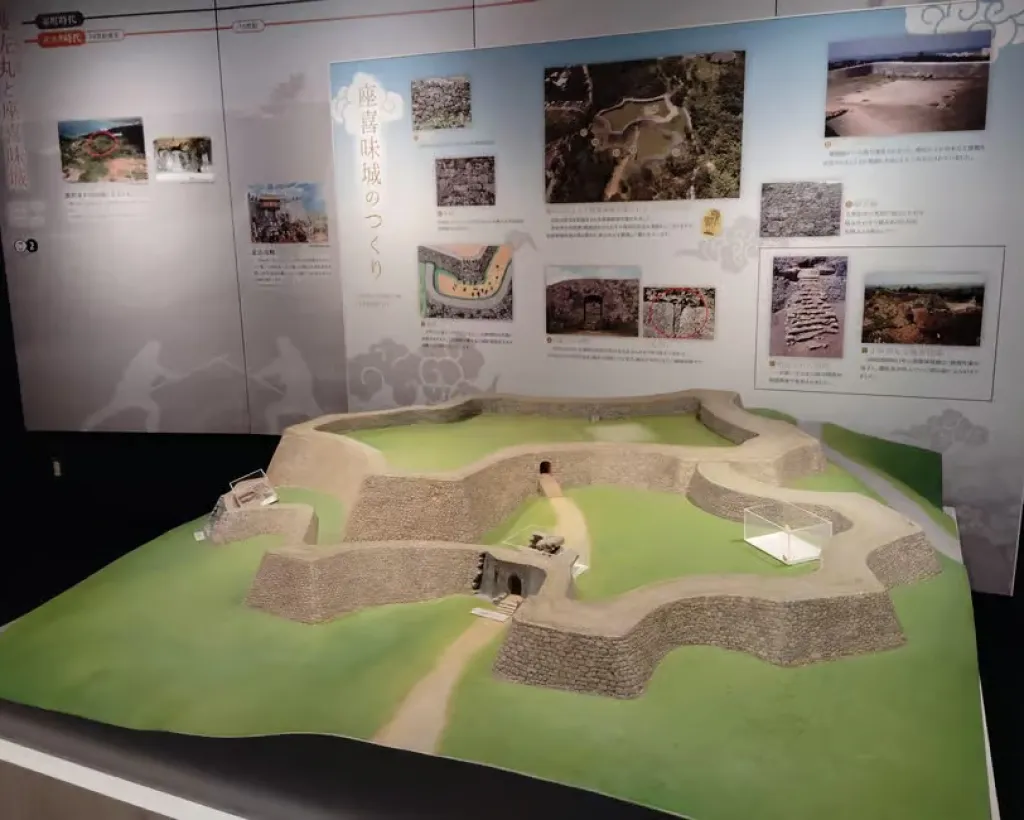
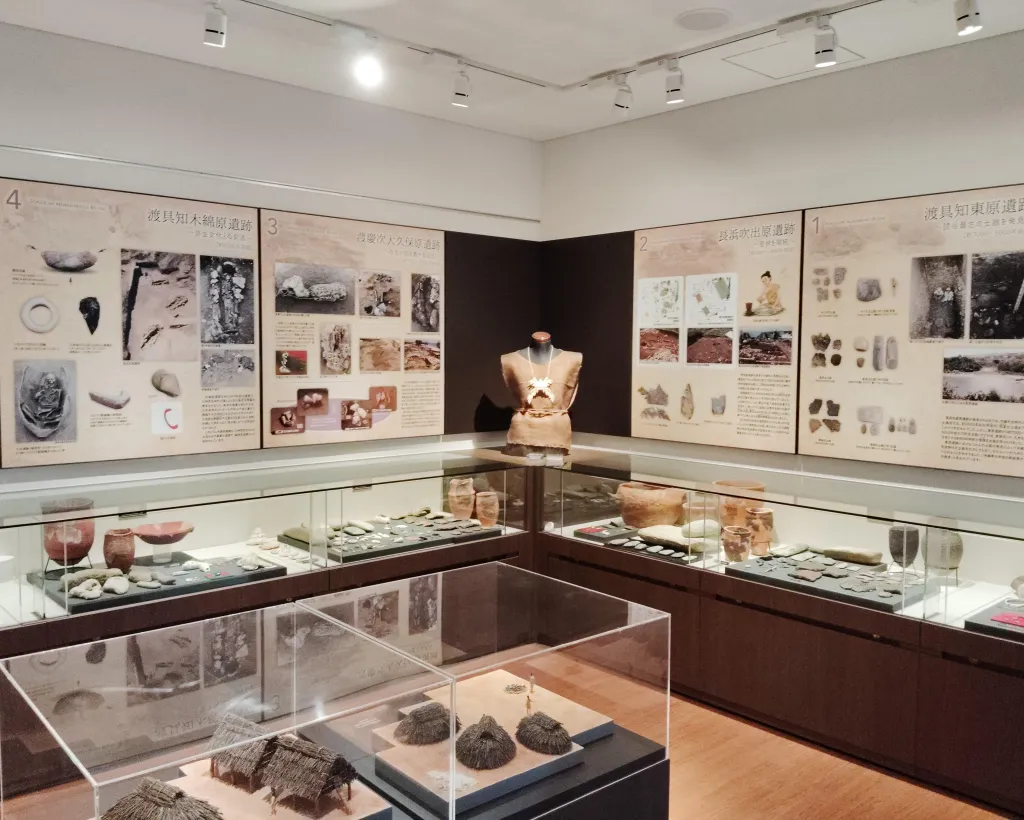
Begin at the entrance of the Yuntanza Museum, where your guide will offer an introduction to the day’s journey. The museum itself is a vital resource for understanding the broader history of the region, including the architectural sophistication of gusuku like Zakimi Castle, the cultural depth of pre-modern Yomitan, and the harrowing impact of the Battle of Okinawa.
See exhibits that shed light on the people’s resilience during wartime air raids and the destruction that reshaped their land and society. From there, ascend to Zakimi Castle—one of the earliest and best-preserved gusuku in Okinawa, built in the early 15th century by renowned Ryukyuan lord Gosamaru.
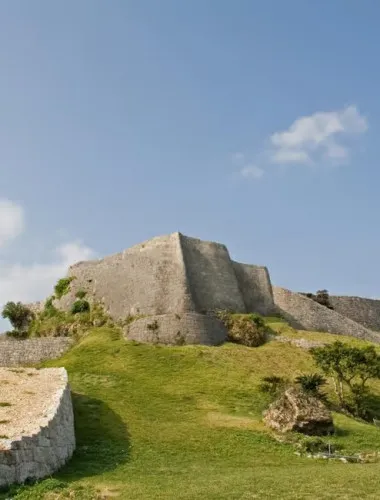
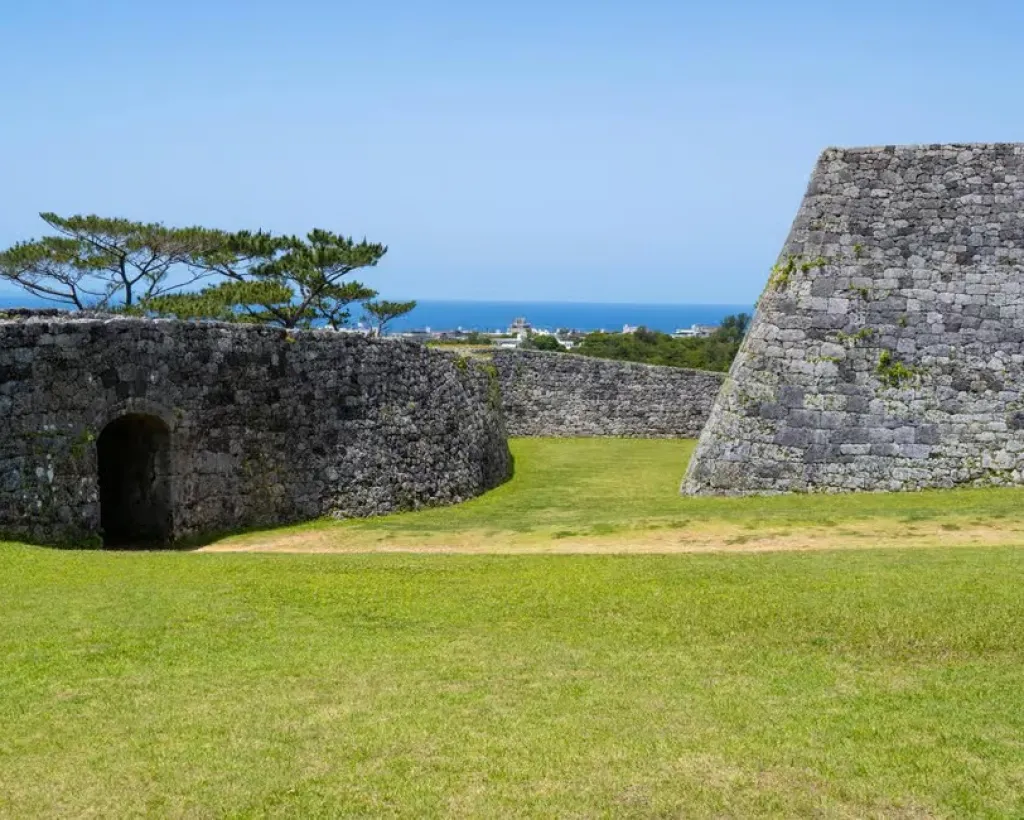
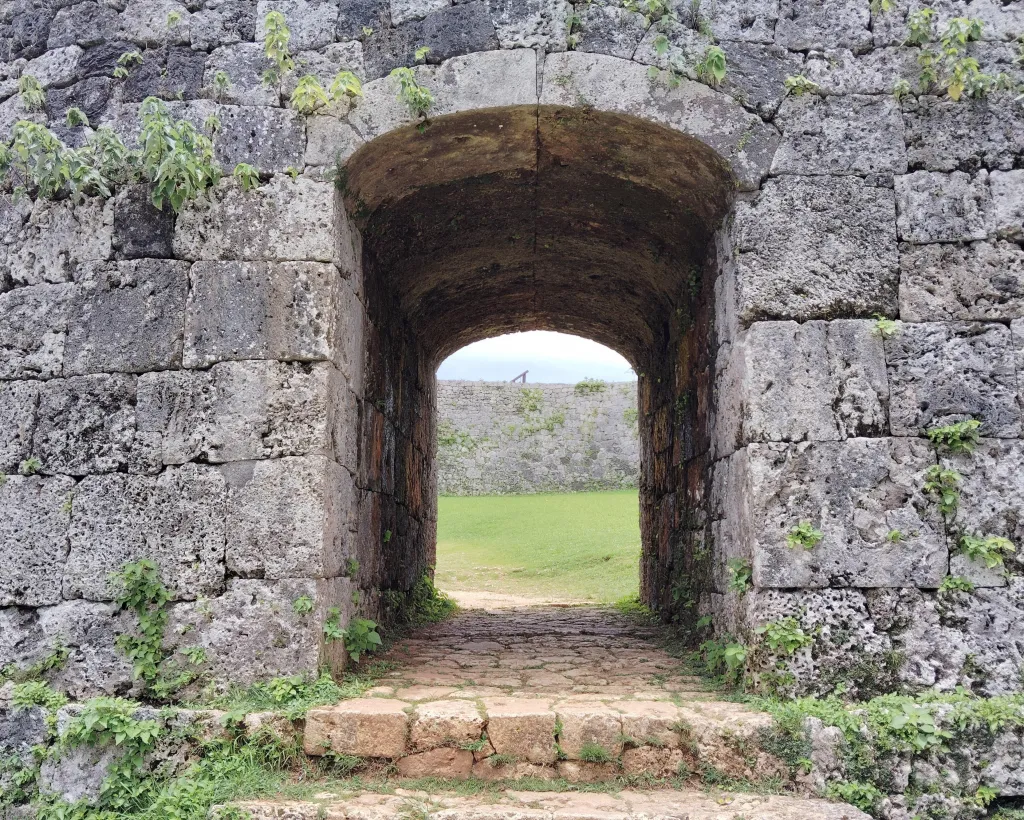
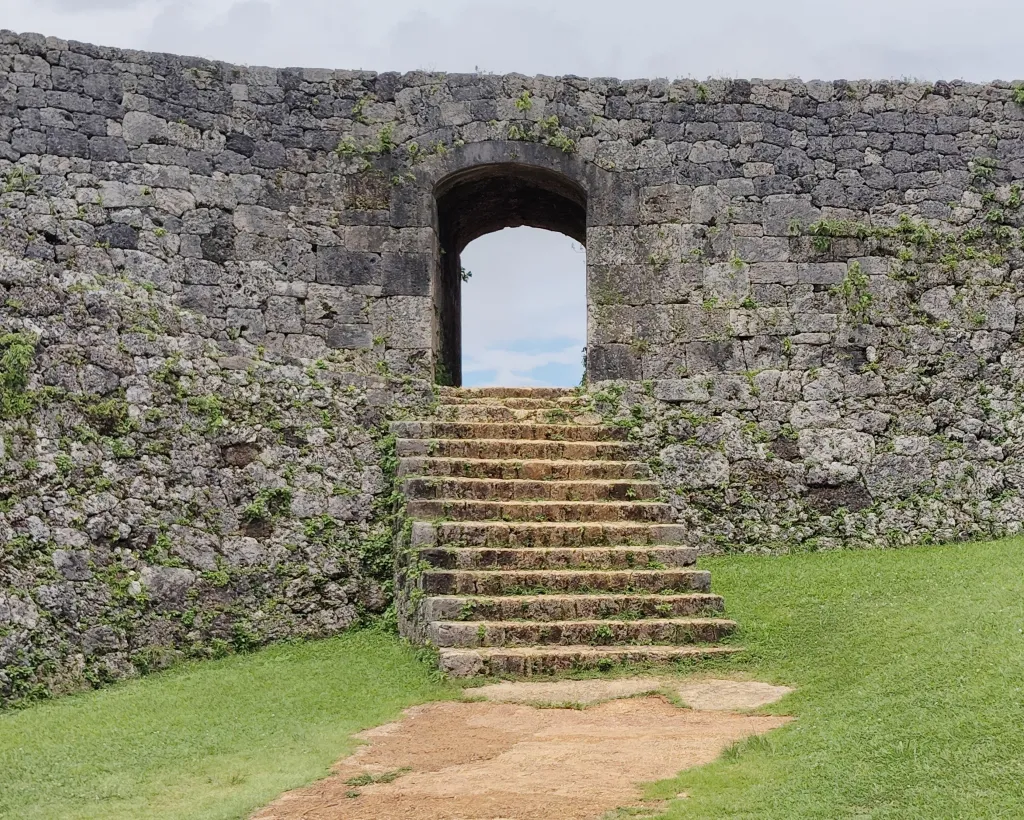
Though modest in scale compared to Shurijo, Zakimi Castle is celebrated for its graceful stonework: a precisely laid arch gate, wedge-shaped stones fitted without mortar, and sweeping curved walls that embrace the natural terrain. Within these walls lie sacred altars, known as utaki, that mark Zakimi as not only a fortress but also a site of spiritual significance. It was, and remains, a place where architecture, politics, and religious practice came together.
Learn how in 1944, during the final phases of World War II, the Japanese military transformed this cultural monument into a strategic high ground by installing anti-aircraft artillery. The castle’s elevated position made it a natural choice for defending against Allied air raids during the Battle of Okinawa. This militarization left a lasting imprint on the site and the surrounding village, which endured extensive bombing. The scars of war—visible in bunkers, caves, and memorials—are part of the story you’ll explore.
After the war, the U.S. military recognized the same strategic value and repurposed the area as part of a radar and communications facility during the Cold War, making Zakimi Castle one of the few gusuku to be caught in the shifting tides of both imperial and foreign military control. Today, though restored and returned to the public, Zakimi still carries the complex weight of its wartime history alongside its cultural glory.
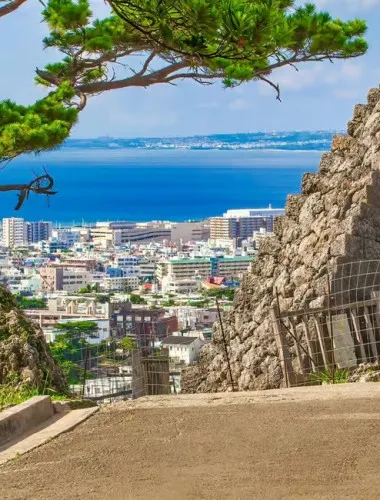
As you explore the castle’s stone paths and climb to its outer walls, your guide will draw connections between Ryukyuan statecraft and spiritual life, wartime sacrifice and survival, and the ongoing conversation Okinawans have with their past. From the top, enjoy panoramic views of Yomitan and the East China Sea—a landscape where ancient ritual, royal ambition, and the fog of war once collided.
See exhibits that shed light on the people’s resilience during wartime air raids and the destruction that reshaped their land and society. From there, ascend to Zakimi Castle—one of the earliest and best-preserved gusuku in Okinawa, built in the early 15th century by renowned Ryukyuan lord Gosamaru.
Though modest in scale compared to Shurijo, Zakimi Castle is celebrated for its graceful stonework: a precisely laid arch gate, wedge-shaped stones fitted without mortar, and sweeping curved walls that embrace the natural terrain. Within these walls lie sacred altars, known as utaki, that mark Zakimi as not only a fortress but also a site of spiritual significance. It was, and remains, a place where architecture, politics, and religious practice came together.
Learn how in 1944, during the final phases of World War II, the Japanese military transformed this cultural monument into a strategic high ground by installing anti-aircraft artillery. The castle’s elevated position made it a natural choice for defending against Allied air raids during the Battle of Okinawa. This militarization left a lasting imprint on the site and the surrounding village, which endured extensive bombing. The scars of war—visible in bunkers, caves, and memorials—are part of the story you’ll explore.
After the war, the U.S. military recognized the same strategic value and repurposed the area as part of a radar and communications facility during the Cold War, making Zakimi Castle one of the few gusuku to be caught in the shifting tides of both imperial and foreign military control. Today, though restored and returned to the public, Zakimi still carries the complex weight of its wartime history alongside its cultural glory.
As you explore the castle’s stone paths and climb to its outer walls, your guide will draw connections between Ryukyuan statecraft and spiritual life, wartime sacrifice and survival, and the ongoing conversation Okinawans have with their past. From the top, enjoy panoramic views of Yomitan and the East China Sea—a landscape where ancient ritual, royal ambition, and the fog of war once collided.