 1.5 hours
 Available languages: English
 Start: Eikando Temple
 1-6
1-6 Private

 Immediate Booking
  Request Booking
Experience details
Begin your journey at Eikando Temple, nestled in Kyoto’s eastern hills. This is a place where architecture, nature, water, and spirit converge in quiet harmony throughout the year.
At the heart of the temple stands the Mikaeri Amida, the “Looking-Back Amida,” a rare statue of the Buddha glancing over his shoulder. It’s a powerful yet gentle image—one that symbolizes awareness, compassion, and the idea that the divine watches over us even as we stray. Encountering this graceful figure invites reflection and calm.
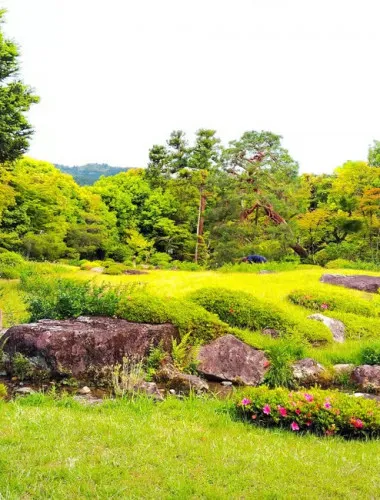
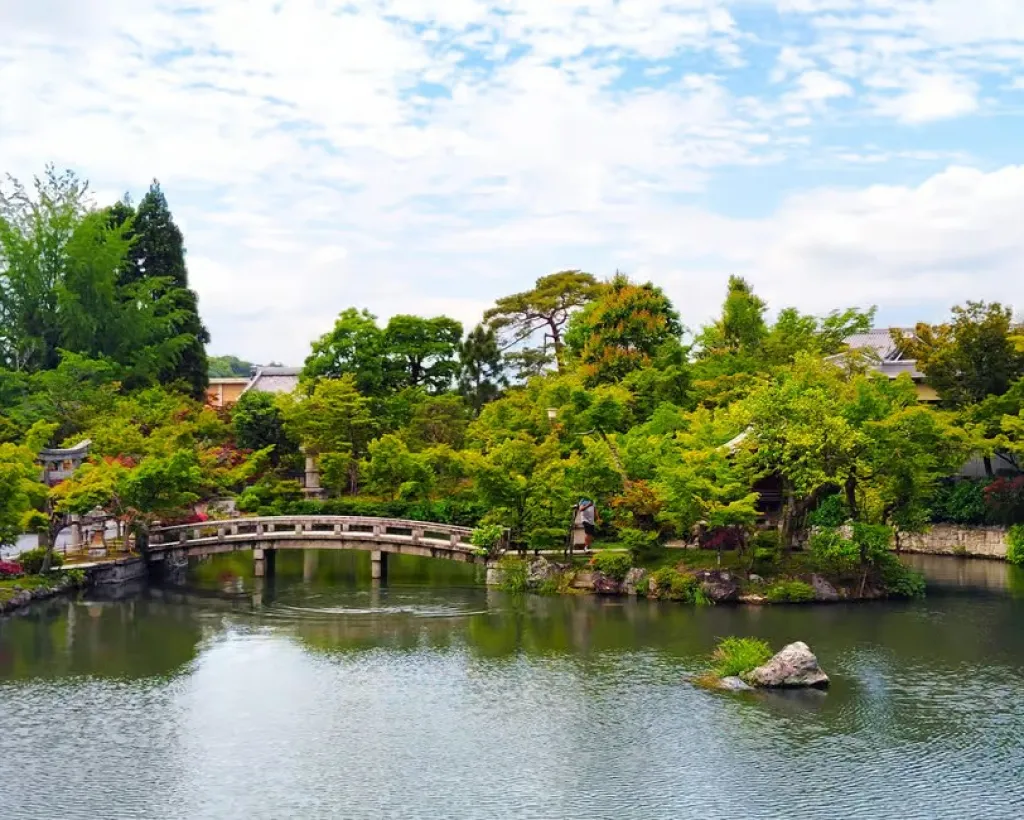
The temple’s garden is a living canvas, centered around a mirror-like pond fed by crystal-clear spring water. Whether framed by cherry blossoms, fresh summer greens, or autumn’s vibrant leaves, the garden feels pure and peaceful. Water flows gently through the grounds, connecting space to space with a quiet rhythm that seems to slow time.
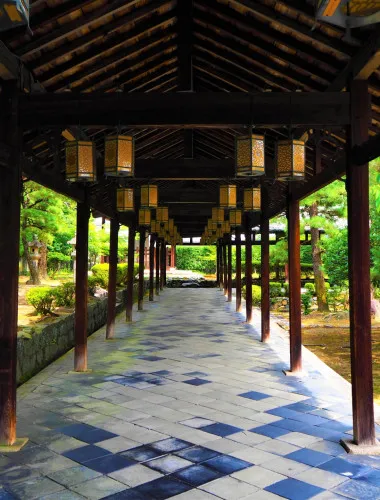
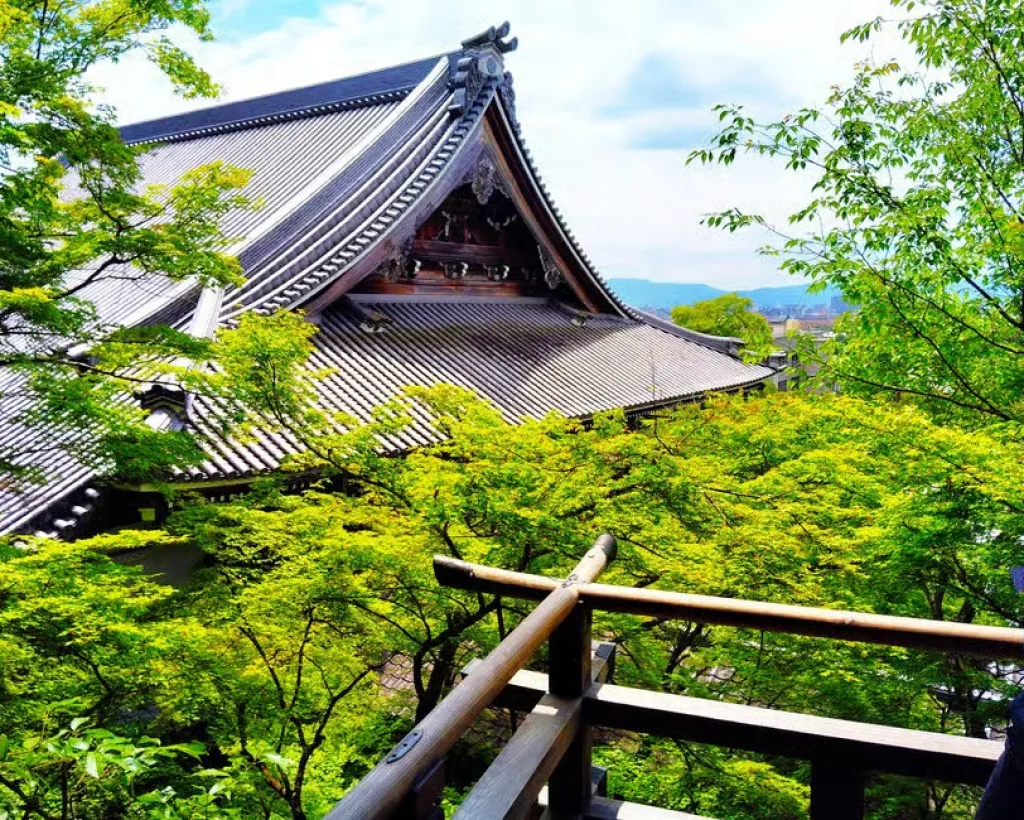
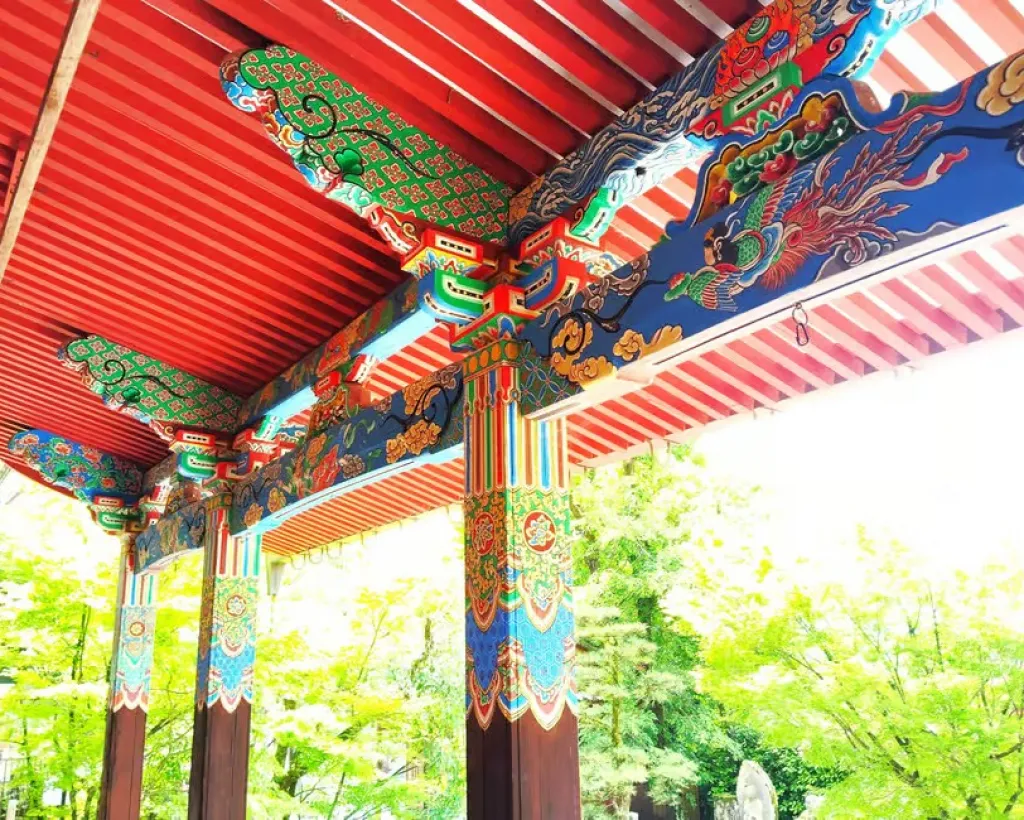
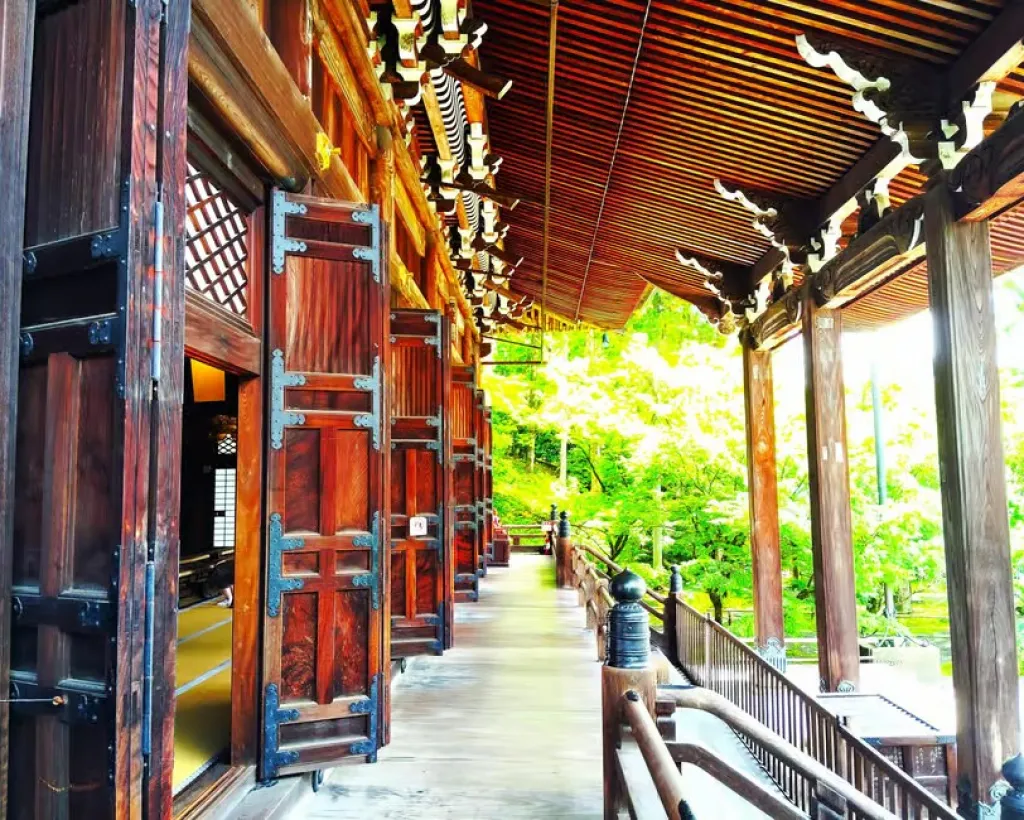
Eikando’s wooden halls and covered walkways are built in harmony with the sloped landscape, embraced by moss, trees, and filtered sunlight. As you walk through them, the boundary between nature and temple disappears—you feel less like a visitor, and more like part of the scenery itself.
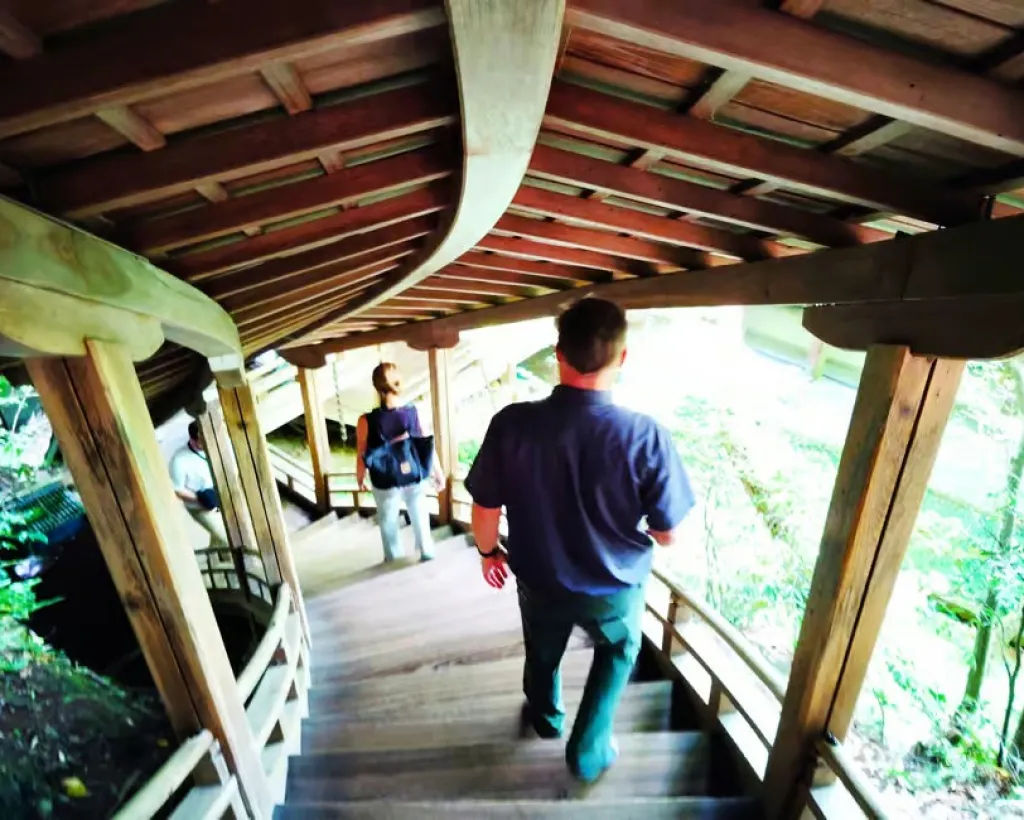
One of the most memorable paths is the Garyuro, the “Wolven Dragon Corridor,” a sloping, roofed hallway that leads upward through the forested hillside. It’s a journey both physical and meditative, bringing you to the temple’s mountaintop treasure—the Taho-to Pagoda. From its balcony, the view opens to a sweeping panorama of Kyoto, a city nestled beneath sky and season.
Eikando is not about grand gestures—it’s about intimate moments of awareness, of walking slowly, looking closely, and feeling deeply. Whether it’s the soft gaze of the Amida, the sound of flowing water, or the light filtering through maples, this temple invites you to pause, breathe, and reconnect—with Kyoto, and with yourself.
At the heart of the temple stands the Mikaeri Amida, the “Looking-Back Amida,” a rare statue of the Buddha glancing over his shoulder. It’s a powerful yet gentle image—one that symbolizes awareness, compassion, and the idea that the divine watches over us even as we stray. Encountering this graceful figure invites reflection and calm.
The temple’s garden is a living canvas, centered around a mirror-like pond fed by crystal-clear spring water. Whether framed by cherry blossoms, fresh summer greens, or autumn’s vibrant leaves, the garden feels pure and peaceful. Water flows gently through the grounds, connecting space to space with a quiet rhythm that seems to slow time.
Eikando’s wooden halls and covered walkways are built in harmony with the sloped landscape, embraced by moss, trees, and filtered sunlight. As you walk through them, the boundary between nature and temple disappears—you feel less like a visitor, and more like part of the scenery itself.
One of the most memorable paths is the Garyuro, the “Wolven Dragon Corridor,” a sloping, roofed hallway that leads upward through the forested hillside. It’s a journey both physical and meditative, bringing you to the temple’s mountaintop treasure—the Taho-to Pagoda. From its balcony, the view opens to a sweeping panorama of Kyoto, a city nestled beneath sky and season.
Eikando is not about grand gestures—it’s about intimate moments of awareness, of walking slowly, looking closely, and feeling deeply. Whether it’s the soft gaze of the Amida, the sound of flowing water, or the light filtering through maples, this temple invites you to pause, breathe, and reconnect—with Kyoto, and with yourself.