


 1.5 - 2 hours
 Available languages: English
 1-6
1-6

 Immediate Booking
  Request Booking
Experience details
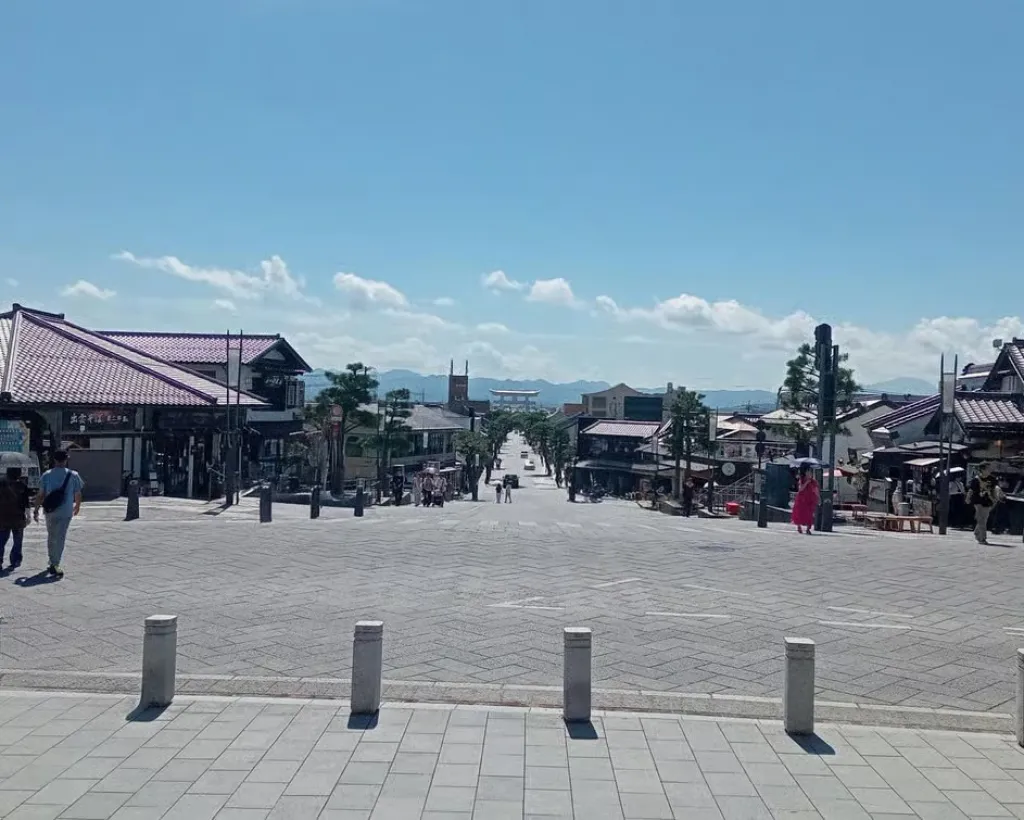
Begin your experience at the edge of the sacred precinct, where your guide introduces the concept of boundaries in Shinto belief and explains how entering a shrine is not an abrupt act, but a gradual transition. Stop at a purification shrine to learn about the idea of kegare—ritual impurity understood not as sin, but as a condition that must be cleansed.
Proceed along the pine-lined approach path. Walking through this quiet space is itself part of the preparation, reinforcing the Shinto emphasis on nature as an integral component of worship rather than a backdrop.
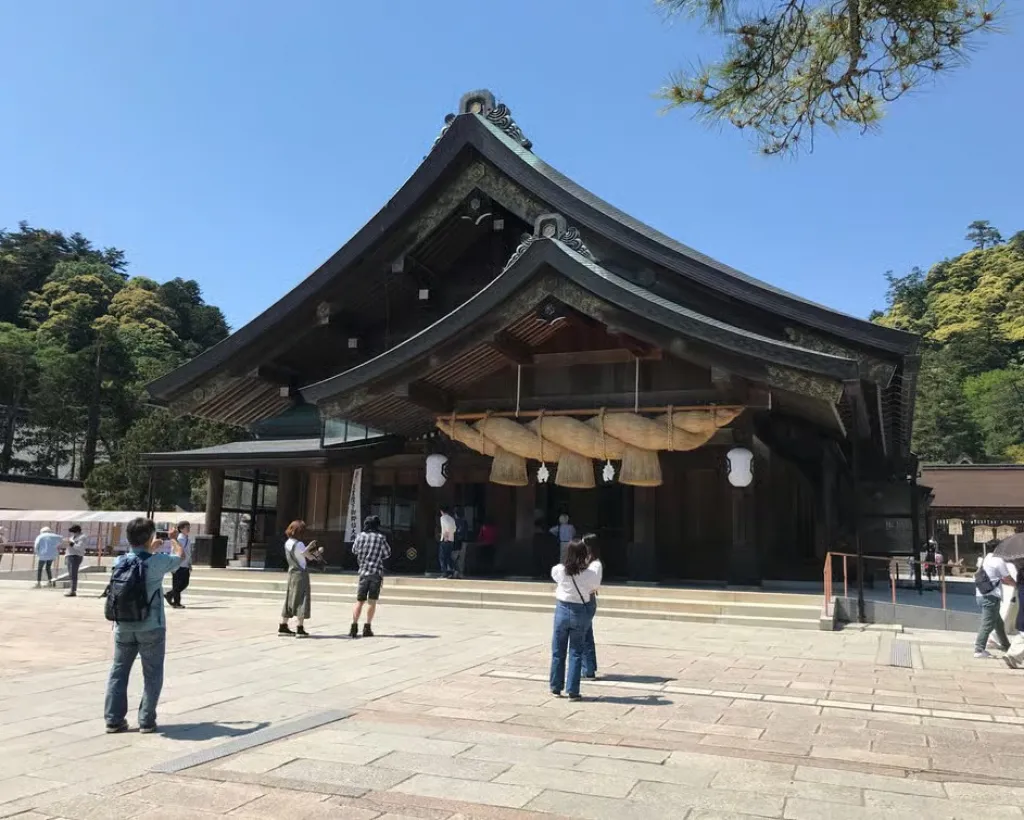
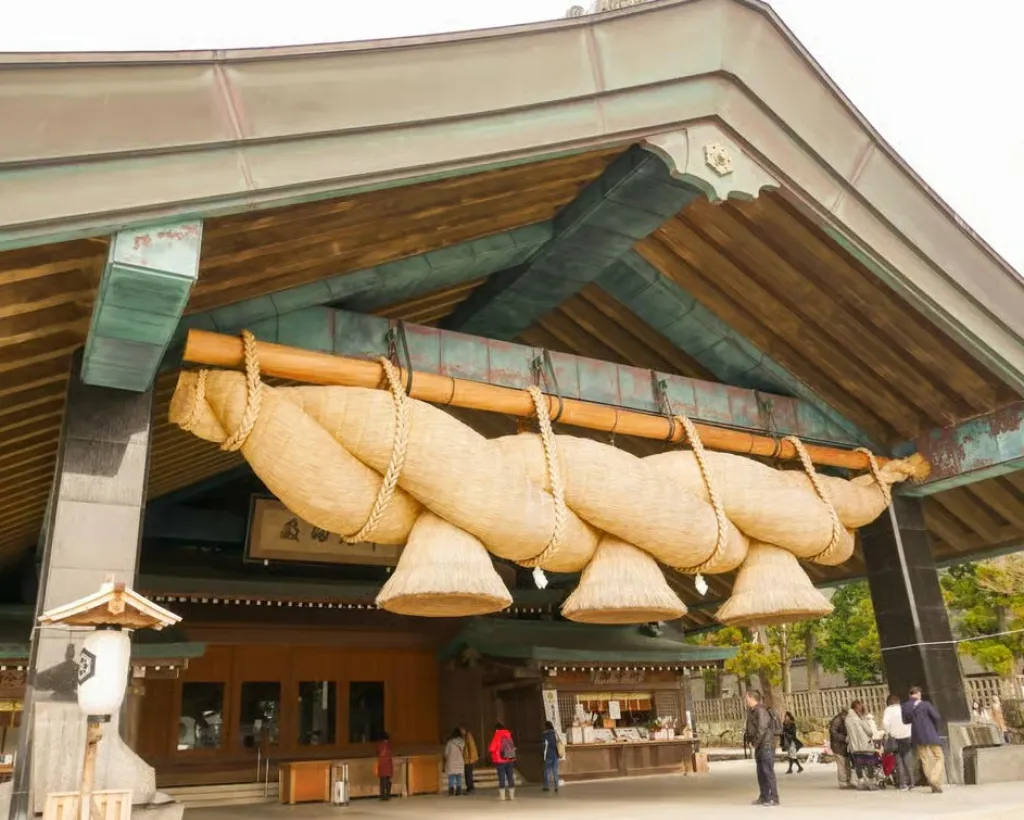
At the water pavilion, take part in a traditional hand-purification ritual, guided step by step so that its meaning is clearly understood. Then, move to the main worship hall, where your guide introduces Ōkuninushi, the central deity of Izumo Taisha and a key figure in Japanese mythology.
Through stories such as the transfer of the land to the heavenly gods, gain insight into Izumo’s unique position within Japan’s mythological world. Learn about the shrine’s distinctive worship style, including the use of four claps instead of the more common two, and practice it yourself.
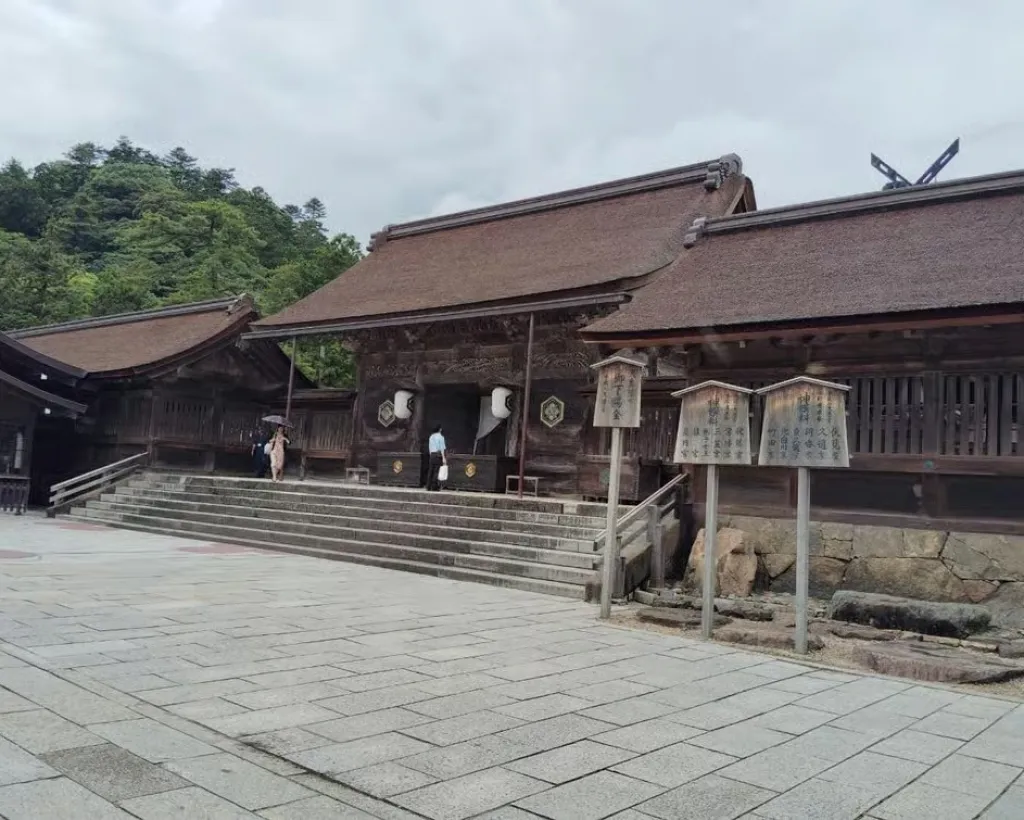
Approach the main sanctuary from the gate that marks the closest point accessible to visitors. Hear about the architectural features of Izumo Taisha and the belief that the original main hall once stood at an extraordinary height. This moment serves as the spiritual climax of the tour, where mythology, archaeology, and living faith intersect.
Nearby, a treasure hall provides further context through ancient pillars and historical materials, offering tangible evidence of the shrine’s long history. Continue to auxiliary shrines associated with the belief that deities from across Japan gather in Izumo during a special season known as the “Month of the Gods.”
Here, your guide clarifies the true meaning of “en-musubi,” often translated as matchmaking, explaining that it refers more broadly to the formation of all kinds of connections—between people, communities, and even events. The final visit is to a secluded shrine dedicated to Susanoo, a powerful deity closely connected to Ōkuninushi, highlighting the layered relationships within Japanese mythology.
Return to the starting point and reflect on the gradual journey you have taken—from the threshold of the sacred space to its deepest spiritual core. Rather than focusing on wishes or personal requests, this tour emphasizes understanding: how Izumo Taisha functions as a place where ritual, myth, and landscape come together, and why it has held a unique role in Japanese belief for centuries.
Proceed along the pine-lined approach path. Walking through this quiet space is itself part of the preparation, reinforcing the Shinto emphasis on nature as an integral component of worship rather than a backdrop.
At the water pavilion, take part in a traditional hand-purification ritual, guided step by step so that its meaning is clearly understood. Then, move to the main worship hall, where your guide introduces Ōkuninushi, the central deity of Izumo Taisha and a key figure in Japanese mythology.
Through stories such as the transfer of the land to the heavenly gods, gain insight into Izumo’s unique position within Japan’s mythological world. Learn about the shrine’s distinctive worship style, including the use of four claps instead of the more common two, and practice it yourself.
Approach the main sanctuary from the gate that marks the closest point accessible to visitors. Hear about the architectural features of Izumo Taisha and the belief that the original main hall once stood at an extraordinary height. This moment serves as the spiritual climax of the tour, where mythology, archaeology, and living faith intersect.
Nearby, a treasure hall provides further context through ancient pillars and historical materials, offering tangible evidence of the shrine’s long history. Continue to auxiliary shrines associated with the belief that deities from across Japan gather in Izumo during a special season known as the “Month of the Gods.”
Here, your guide clarifies the true meaning of “en-musubi,” often translated as matchmaking, explaining that it refers more broadly to the formation of all kinds of connections—between people, communities, and even events. The final visit is to a secluded shrine dedicated to Susanoo, a powerful deity closely connected to Ōkuninushi, highlighting the layered relationships within Japanese mythology.
Return to the starting point and reflect on the gradual journey you have taken—from the threshold of the sacred space to its deepest spiritual core. Rather than focusing on wishes or personal requests, this tour emphasizes understanding: how Izumo Taisha functions as a place where ritual, myth, and landscape come together, and why it has held a unique role in Japanese belief for centuries.
