 2 hours
 Available languages: English
 Start: Hasedera Station
 1~6
1~6 Private

 Immediate Booking
  Request Booking
Experience details
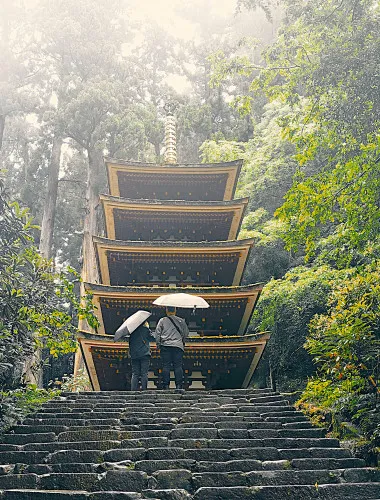
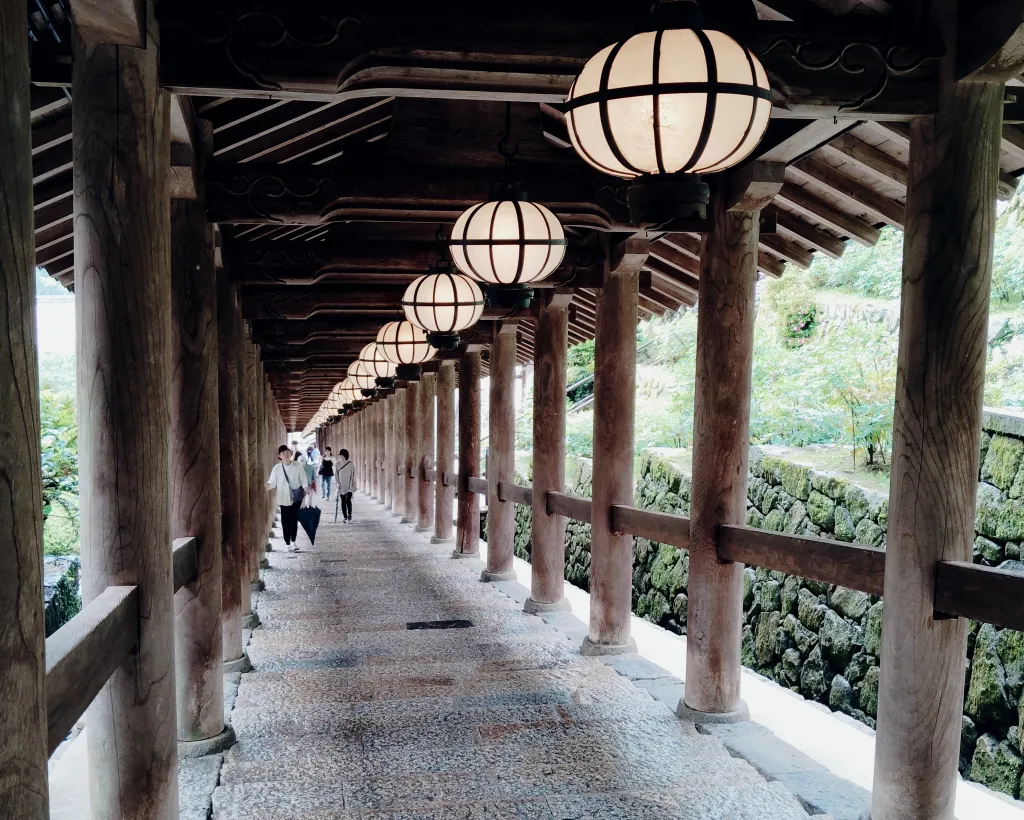
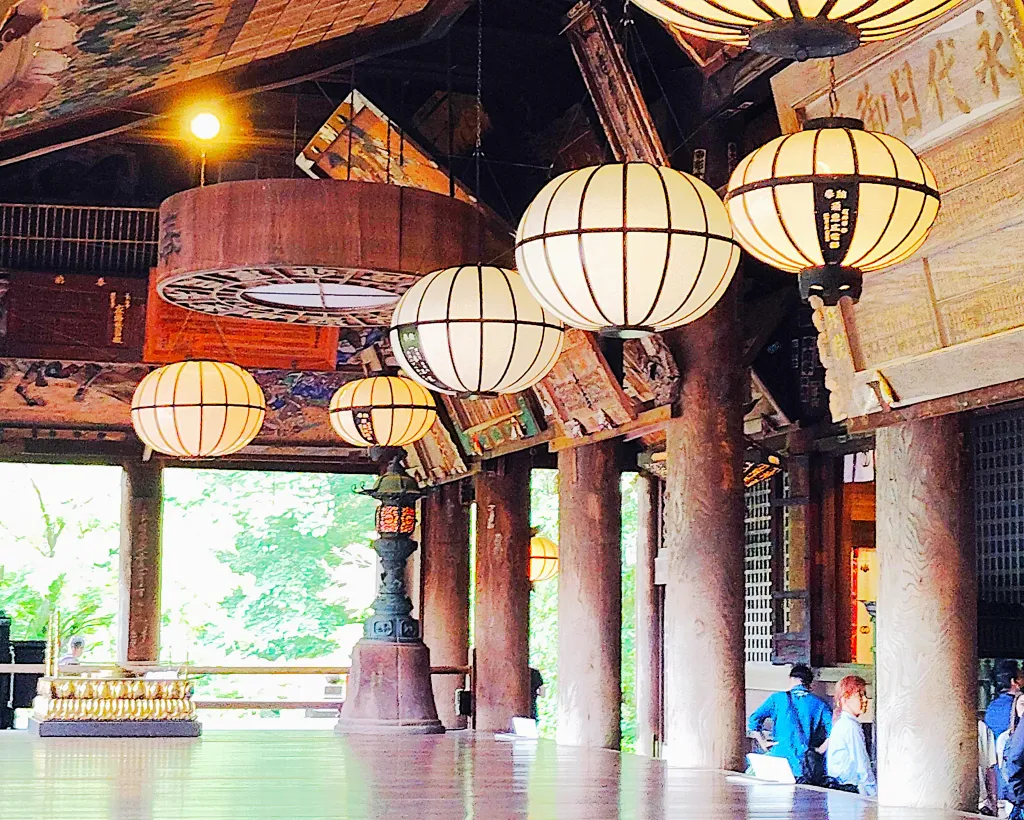
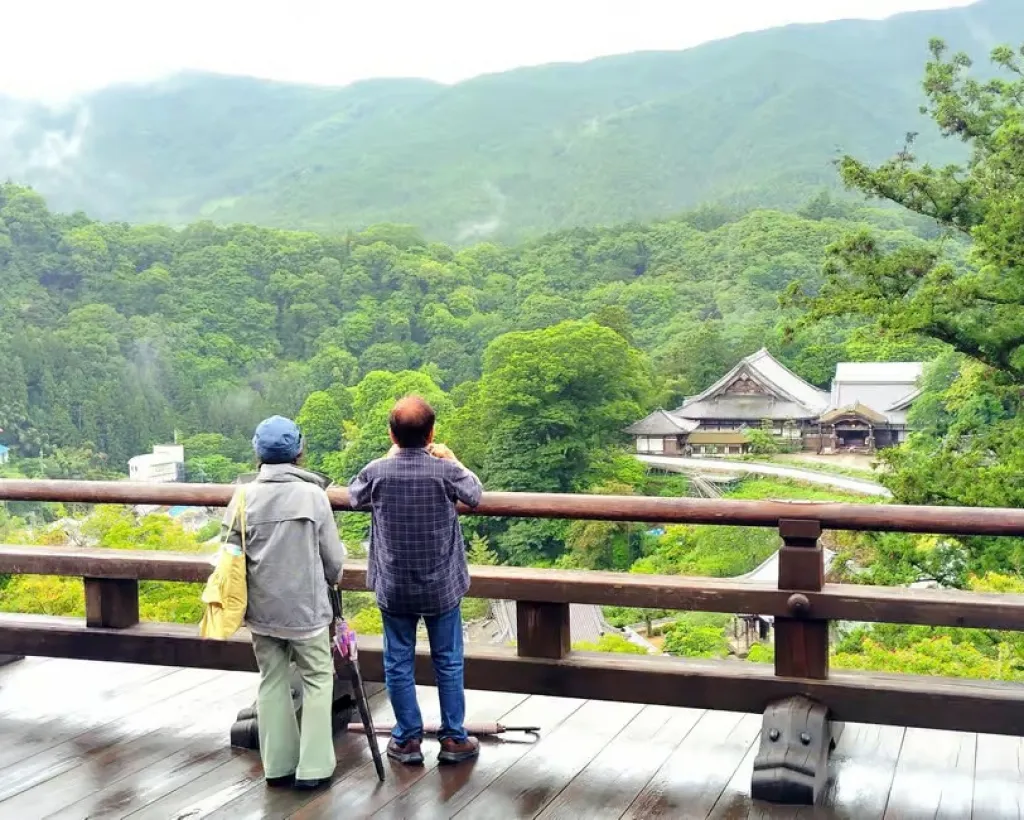
Nestled in the serene mountains east of the Nara Basin lies Hasedera Temple, a hidden gem that offers an extraordinary combination rarely found elsewhere in Japan: a massive, awe-inspiring statue of Kannon Bodhisattva housed within a breathtaking kake-zukuri (overhanging cliff-style) wooden hall.
While temples such as Tōdaiji in Nara or Kōtoku-in in Kamakura are renowned for their colossal Buddha statues, and places like Kyoto’s Kiyomizu-dera and Nara’s Nigatsu-dō captivate with their dramatic cliffside structures, Hasedera alone allows visitors to experience both—the spiritual grandeur of a giant statue and the architectural elegance of a temple seemingly floating above the hillside.
Revered as one of the most important sites for Kannon worship in Japan, Hasedera has been a sacred pilgrimage destination since ancient times. The deeply rooted faith is evidenced not only by the multitude of pilgrims it attracts but also by its frequent appearances in classical Japanese literature, poems, and travelogues, making it a spiritual and cultural mecca.
What makes Hasedera’s statue of Kannon so unique is that it stands directly on a stone rather than the traditional lotus pedestal, symbolizing a compassionate deity who steps down to walk among people and offer salvation in this world. The kake-zukuri hall where this statue resides is said to represent the legendary cliffside island where Kannon lives, turning the entire temple into a symbolic landscape of the Buddhist cosmos.
Visiting Hasedera is more than just a sightseeing experience—it is a deeply immersive journey into the heart of Japanese spirituality. Accompanied by expert guides, visitors will gain rich insights into Buddhist teachings, Kannon devotion, and the cultural significance of pilgrimage in Japan.
The tour also includes visits to the nearby temple where the monk who carved the Kannon is enshrined, and a walk through the charming shopping street leading to Hasedera, filled with local flavors and crafts. Far beyond deer parks and temple hopping, Nara offers moments of true spiritual connection—and Hasedera stands out as one of its most profound experiences.
While temples such as Tōdaiji in Nara or Kōtoku-in in Kamakura are renowned for their colossal Buddha statues, and places like Kyoto’s Kiyomizu-dera and Nara’s Nigatsu-dō captivate with their dramatic cliffside structures, Hasedera alone allows visitors to experience both—the spiritual grandeur of a giant statue and the architectural elegance of a temple seemingly floating above the hillside.
Revered as one of the most important sites for Kannon worship in Japan, Hasedera has been a sacred pilgrimage destination since ancient times. The deeply rooted faith is evidenced not only by the multitude of pilgrims it attracts but also by its frequent appearances in classical Japanese literature, poems, and travelogues, making it a spiritual and cultural mecca.
What makes Hasedera’s statue of Kannon so unique is that it stands directly on a stone rather than the traditional lotus pedestal, symbolizing a compassionate deity who steps down to walk among people and offer salvation in this world. The kake-zukuri hall where this statue resides is said to represent the legendary cliffside island where Kannon lives, turning the entire temple into a symbolic landscape of the Buddhist cosmos.
Visiting Hasedera is more than just a sightseeing experience—it is a deeply immersive journey into the heart of Japanese spirituality. Accompanied by expert guides, visitors will gain rich insights into Buddhist teachings, Kannon devotion, and the cultural significance of pilgrimage in Japan.
The tour also includes visits to the nearby temple where the monk who carved the Kannon is enshrined, and a walk through the charming shopping street leading to Hasedera, filled with local flavors and crafts. Far beyond deer parks and temple hopping, Nara offers moments of true spiritual connection—and Hasedera stands out as one of its most profound experiences.