








Our website uses cookies for the purpose of service and traffic analysis as well as advertisement. All cookies are used in accordance with our Privacy Policy. Please accept the cookies by clicking the Accept button below.
Manpuku-ji Temple
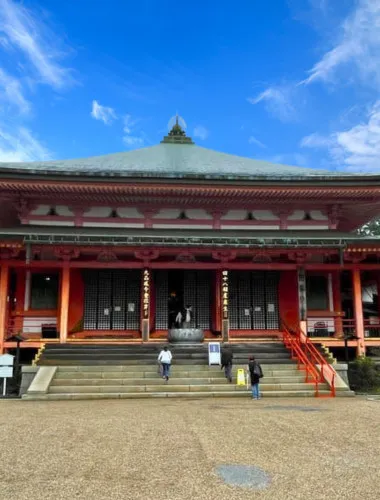
Manpuku-ji is the head temple of the Obaku school of Zen Buddhism, located in Uji City, Kyoto Prefecture, with the mountain name Obakusan. It was founded in 1661 (Kanbun 1) by the Chinese monk Ingen (Yinyuan), originally from the Ming dynasty. The temple is known for its distinctive Ming-style Chinese architectural layout, unlike typical Japanese temple architecture. Access is about a 5-minute walk from Obaku Station on both the JR Nara Line and the Keihan Railway. The main hall (Daiyuhoden) was built in 1668 (Kanbun 8) and is famous as Japan’s only and largest historic building using teak wood. The principal image is a statue of Shakyamuni Buddha, with Ananda and Kashyapa as attendant figures, and the Eighteen Arhats enshrined along both sides. The Tenno-do, also built in 1668, enshrines a statue of Hotei, considered an incarnation of Maitreya (Miroku). At Manpuku-ji, the “Hotei Festival” is held on the 8th of each month except February and August, commemorating Hotei’s day of birth/descent; it features a handmade market, musical performances, and lively participation by local residents.
Address
〒611-0011 34 Gokasho Sanbanwari, Uji City, Kyoto Prefecture
Access
About a 5-minute walk from Obaku Station (JR Nara Line / Keihan Railway)
Telephone
0774-32-3900
Price
Adults (high school and older) 500 yen / Elementary & junior high 300 yen
Business Hours
09:00–17:00 (reception until 16:30)