


 3.5- 4 hours
 Available languages: English
 1-6
1-6

 Immediate Booking
  Request Booking
Experience details
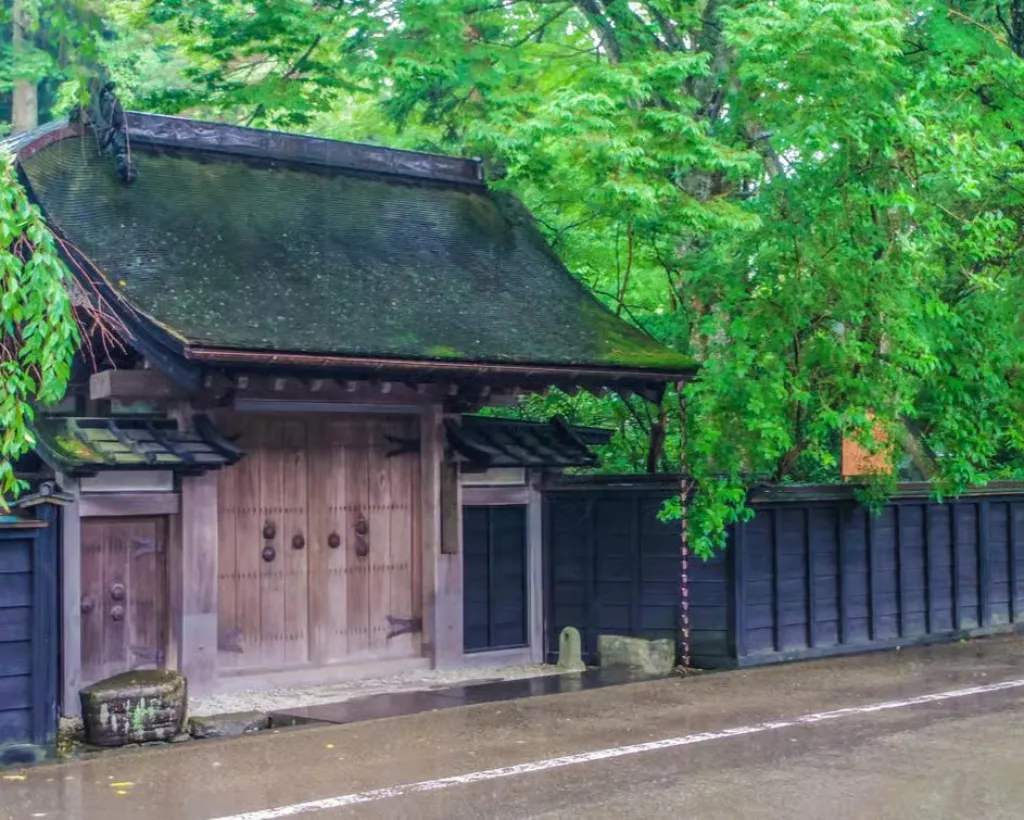
Step into one of northern Japan’s most remarkable preserved samurai districts, where the social order of the Edo period can still be read in the streets, gates, and residences that once defined everyday life for the warrior class.
Rather than presenting “samurai culture” as distant legend, the experience explores how power and governance were organized on the ground, and why Kakunodate developed into a carefully planned castle town where status, duty, and architecture were closely connected.
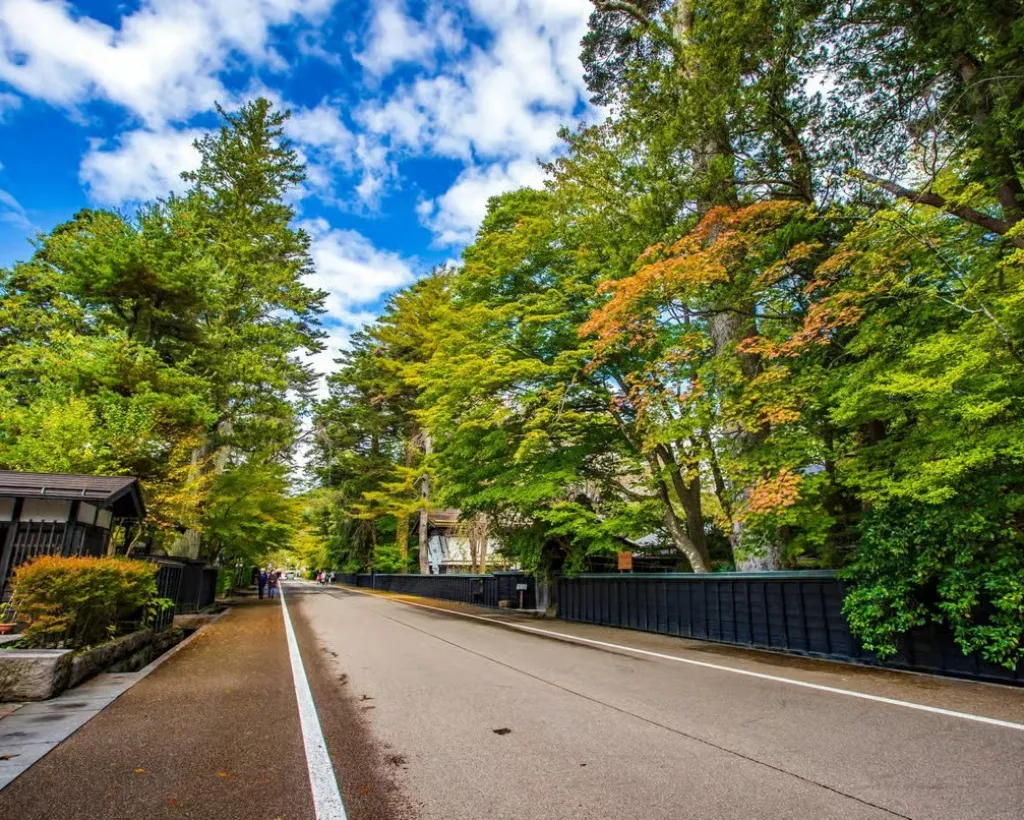
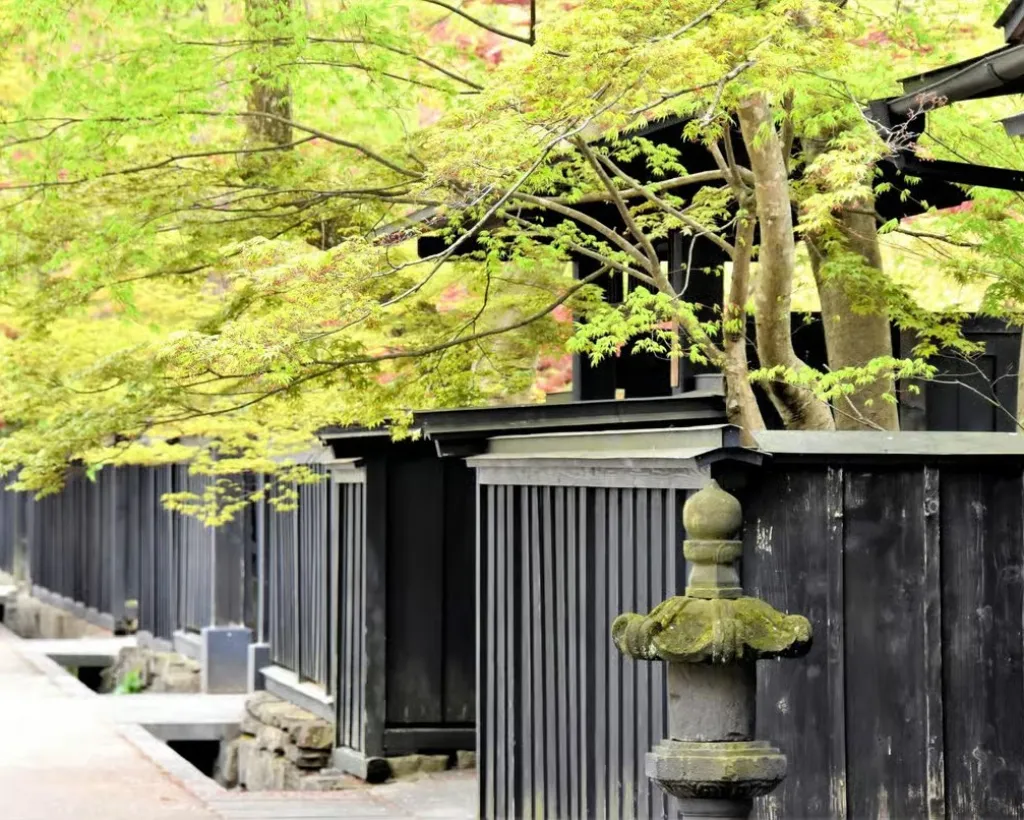
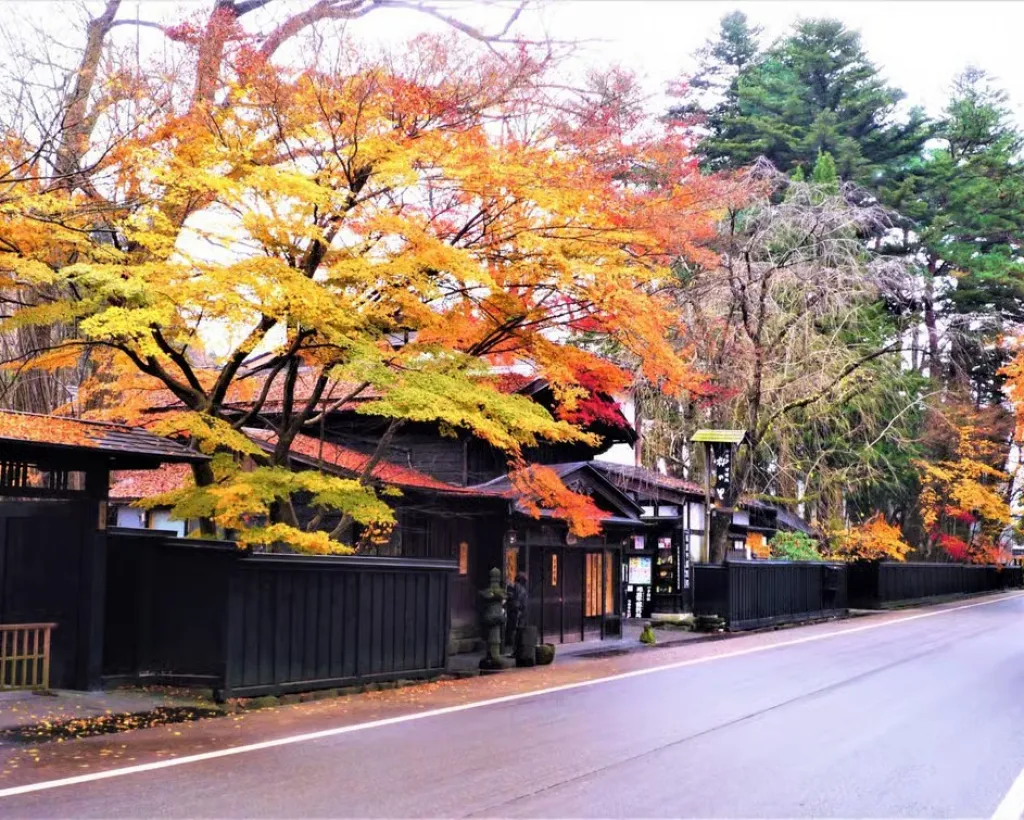
As you enter the Bukeyashiki Street area, your guide provides a clear historical framework for the region by tracing key shifts in the turbulent Sengoku era of Tohoku, introducing local warlords such as the Tozawa and Onodera clans, the rise and decline of the Ashina in the wider regional struggle, and the decisive moment when the Satake clan entered Akita and reshaped the balance of authority in the north.
With this background in place, Kakunodate becomes more than a beautiful street—it becomes a living map of political change, where the transformation from medieval conflict to stable Edo governance can be understood through real spaces rather than abstract timelines.
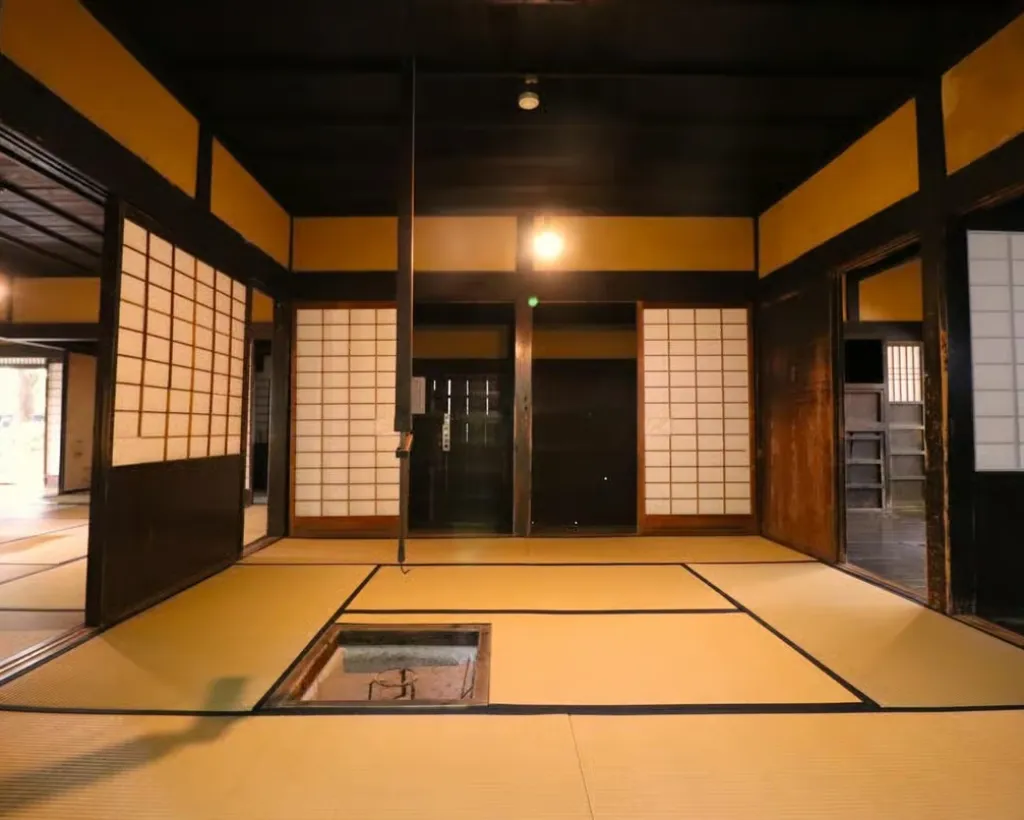
The tour includes guided visits inside multiple samurai residences, allowing you to compare the architecture and lifestyle of different households and see how social rank, family structure, and local climate influenced daily routines. From formal entrances and interior layouts to storage spaces and household tools, each residence reveals the practical side of samurai life: not only the ideals of loyalty and honor, but also the disciplined management of property, labor, and household order that supported domain administration.
By combining street-level historical interpretation with immersive interior visits, the tour presents Kakunodate as a rare place where Japanese history remains tangible and human, and where visitors can understand the samurai not only as warriors, but as administrators and community leaders in a highly structured society.
Rather than presenting “samurai culture” as distant legend, the experience explores how power and governance were organized on the ground, and why Kakunodate developed into a carefully planned castle town where status, duty, and architecture were closely connected.
As you enter the Bukeyashiki Street area, your guide provides a clear historical framework for the region by tracing key shifts in the turbulent Sengoku era of Tohoku, introducing local warlords such as the Tozawa and Onodera clans, the rise and decline of the Ashina in the wider regional struggle, and the decisive moment when the Satake clan entered Akita and reshaped the balance of authority in the north.
With this background in place, Kakunodate becomes more than a beautiful street—it becomes a living map of political change, where the transformation from medieval conflict to stable Edo governance can be understood through real spaces rather than abstract timelines.
The tour includes guided visits inside multiple samurai residences, allowing you to compare the architecture and lifestyle of different households and see how social rank, family structure, and local climate influenced daily routines. From formal entrances and interior layouts to storage spaces and household tools, each residence reveals the practical side of samurai life: not only the ideals of loyalty and honor, but also the disciplined management of property, labor, and household order that supported domain administration.
By combining street-level historical interpretation with immersive interior visits, the tour presents Kakunodate as a rare place where Japanese history remains tangible and human, and where visitors can understand the samurai not only as warriors, but as administrators and community leaders in a highly structured society.
