


 1 hour
 Available languages: English
 Start: Maruyama Park Center
 1~6
1~6 Private


 Immediate Booking
  Request Booking
Experience details
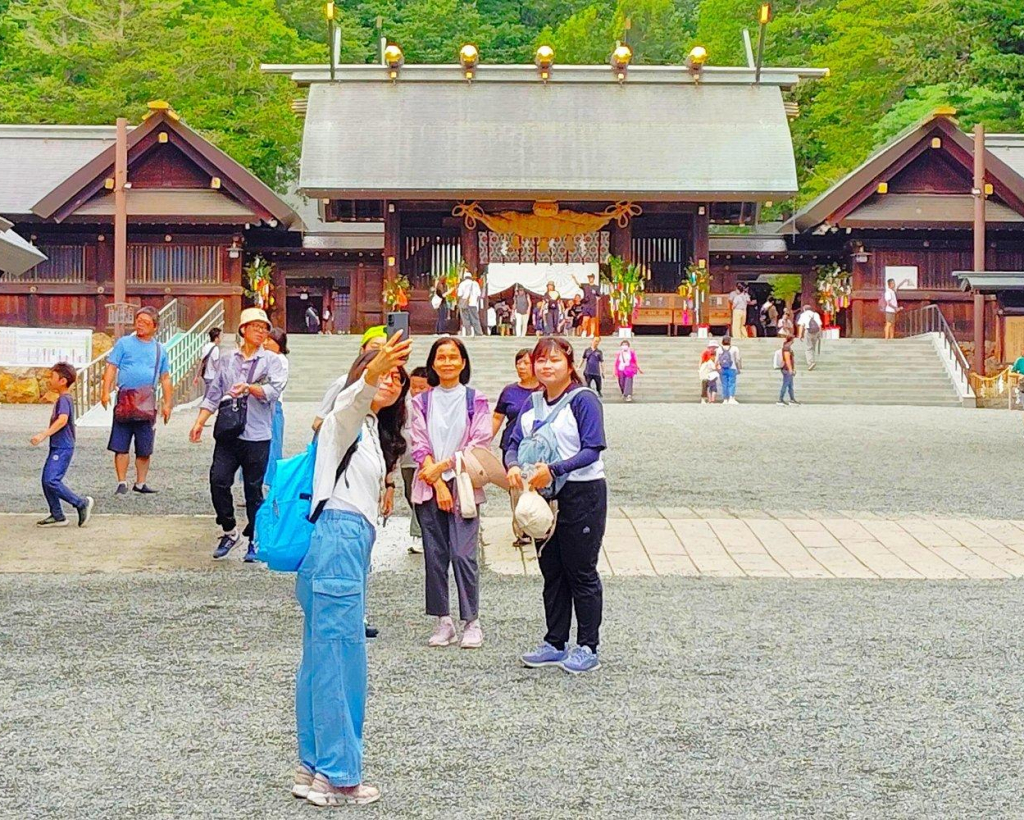
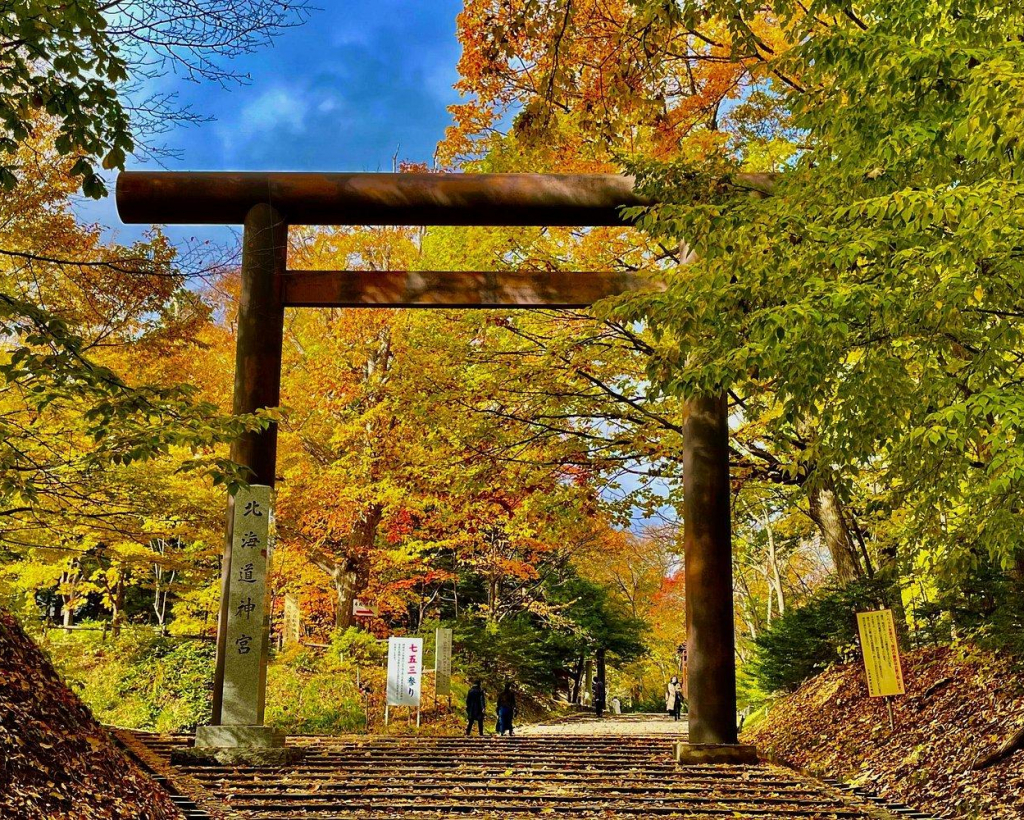
Begin your experience at Maruyama Park, a lush natural setting where squirrels and small birds live among native trees. Pass through the great torii gate at the park entrance, leaving behind the bustle of the city and stepping into the sacred atmosphere of the shrine precinct.
Stop at the Kaitaku Shrine, a smaller shrine within the grounds dedicated to the early pioneers of Hokkaido. Learn how Hokkaido’s development began in the 19th century, when settlers and soldiers from Honshu were sent to cultivate the land, and how these pioneers overcame harsh winters and vast wilderness to lay the foundation of modern Hokkaido. By paying respects here, connect with the spirit of those who built the island’s history.
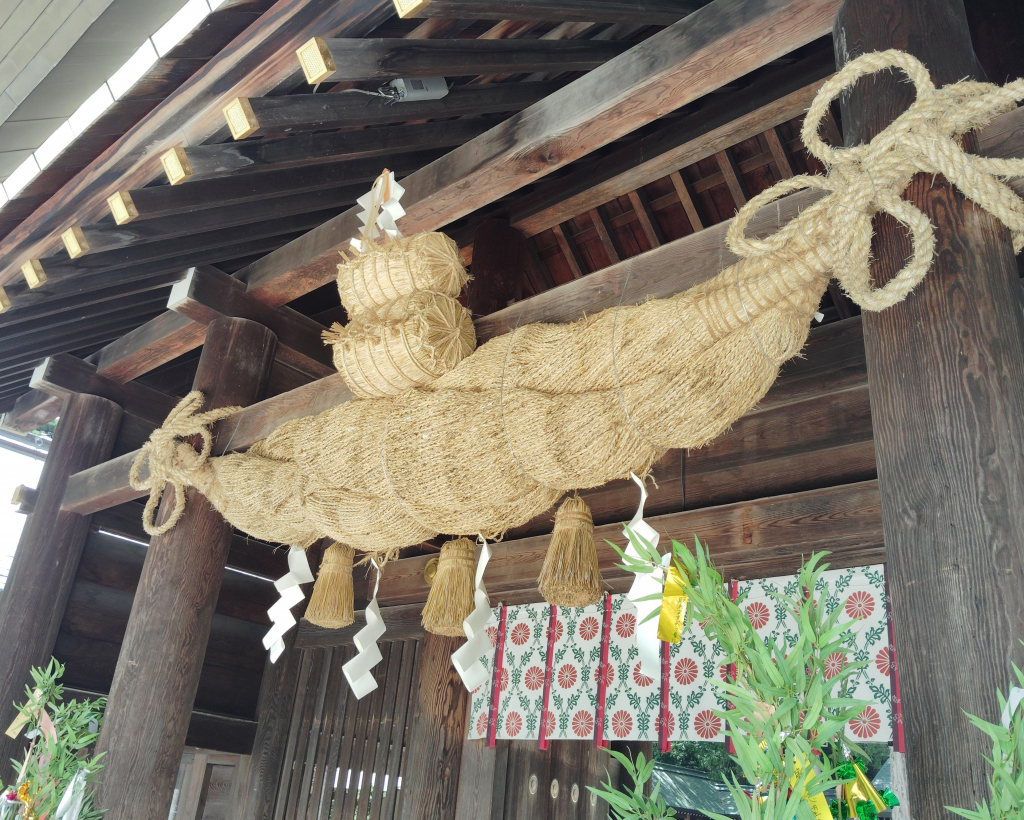
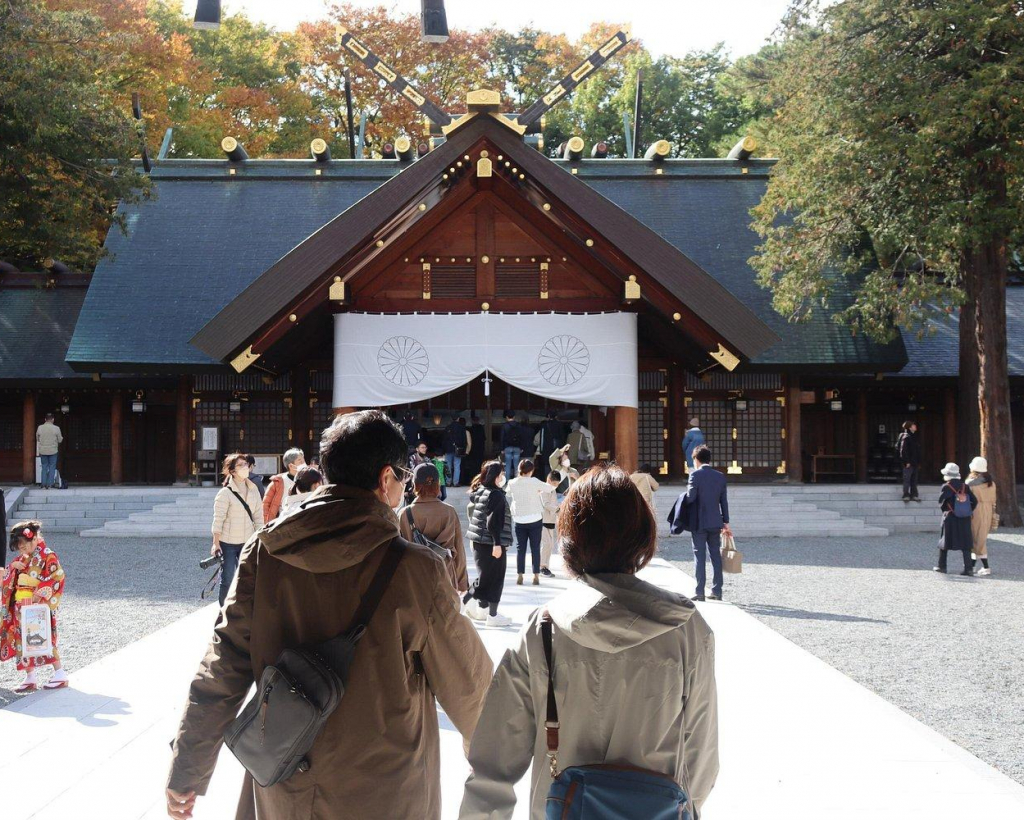
Next, participate in a traditional temizu (water purification ritual), learning how to cleanse hands and mouth before approaching the sacred spaces. At the main gate, see the impressive Furanui Shimenawa, one of the largest sacred ropes in Japan, symbolizing the connection between the divine and the human world. Pass through the gate and approach the main hall to offer prayers in the same way as local worshippers do.
A highlight of the visit is the unique Ezo Squirrel Omikuji, a fortune-drawing experience found only at Hokkaido Shrine. Cute squirrel-shaped charms hold your fortune, blending traditional belief with local character. It is both fun and meaningful, offering visitors a personal connection to Shinto traditions.
Then, relax at the historic Jingu Chaya (Shrine Tea House), where you can enjoy the famous Fuku-Rei Mochi, a sweet rice cake that has long been associated with good fortune. Sharing this traditional snack in the peaceful atmosphere of the shrine deepens the cultural immersion.
Throughout the tour, your guide will share insights not only into Shinto practices but also into the larger story of Hokkaido’s history—how the shrine was established in 1869 to enshrine the three deities of pioneering, and later Emperor Meiji, making it both a religious site and a memorial to the spirit of Hokkaido’s development.
By the end of the visit, you will have done more than walk through beautiful shrine grounds. You will have purified yourself, paid respects to pioneers and deities, drawn a fortune, tasted traditional sweets, and most importantly, gained an understanding of how Shinto belief, local culture, and the frontier history of Hokkaido are interwoven.


