


 2 - 2.5 hours
 Available languages: English
 1-6
1-6

 Immediate Booking
  Request Booking
Experience details
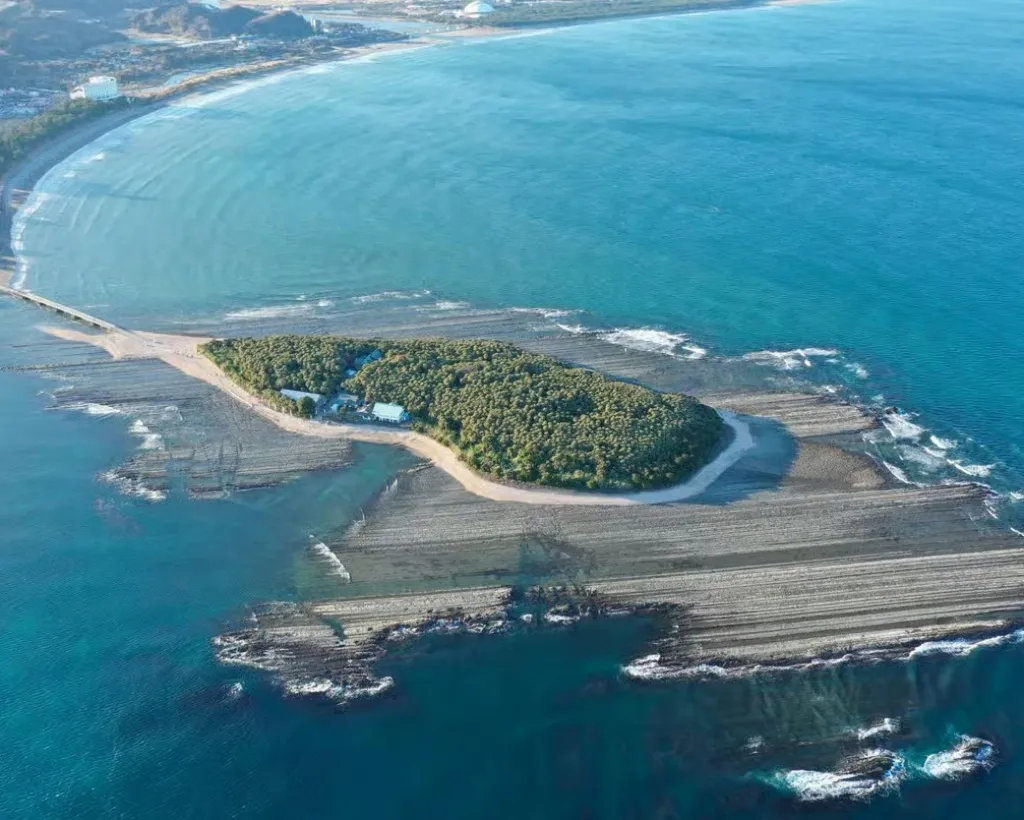
Begin your journey from the Aoshima area and approach the island on foot. Follow the same gentle transition that has long marked the boundary between the ordinary world and sacred space. As you walk, hear about the famous legend of Umisachihiko and Yamasachihiko—two brothers whose story forms a key part of the broader mythology that shaped early Japanese identity.
Visit the Hyuga Mythology Museum, where you’ll gain a clear, accessible overview of Japanese myth and its core themes—divine ancestry, heroic trials, and the relationship between human society and the natural world. Learn why Aoshima has been revered for centuries.
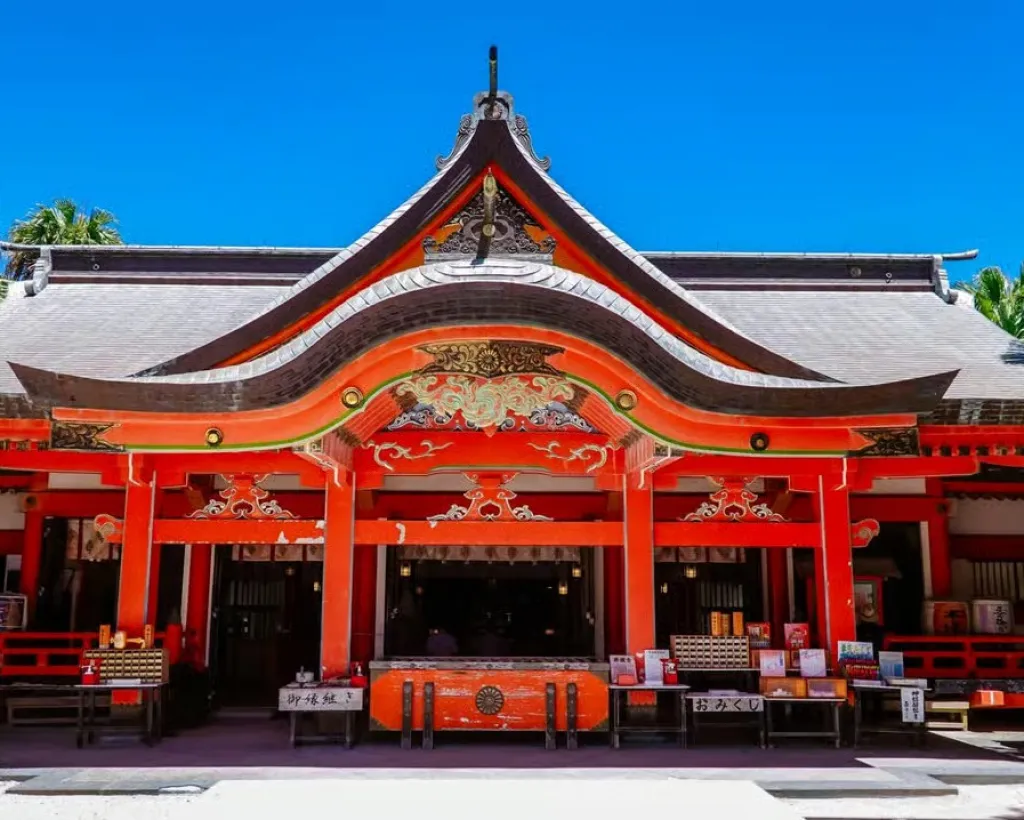
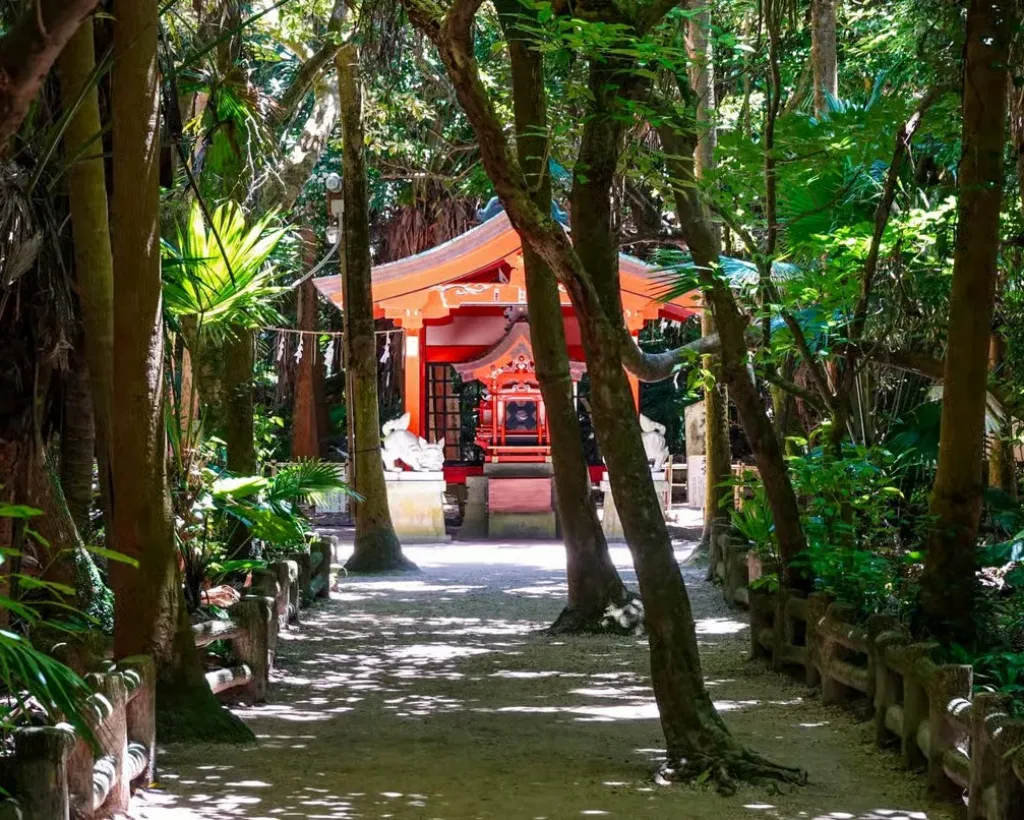
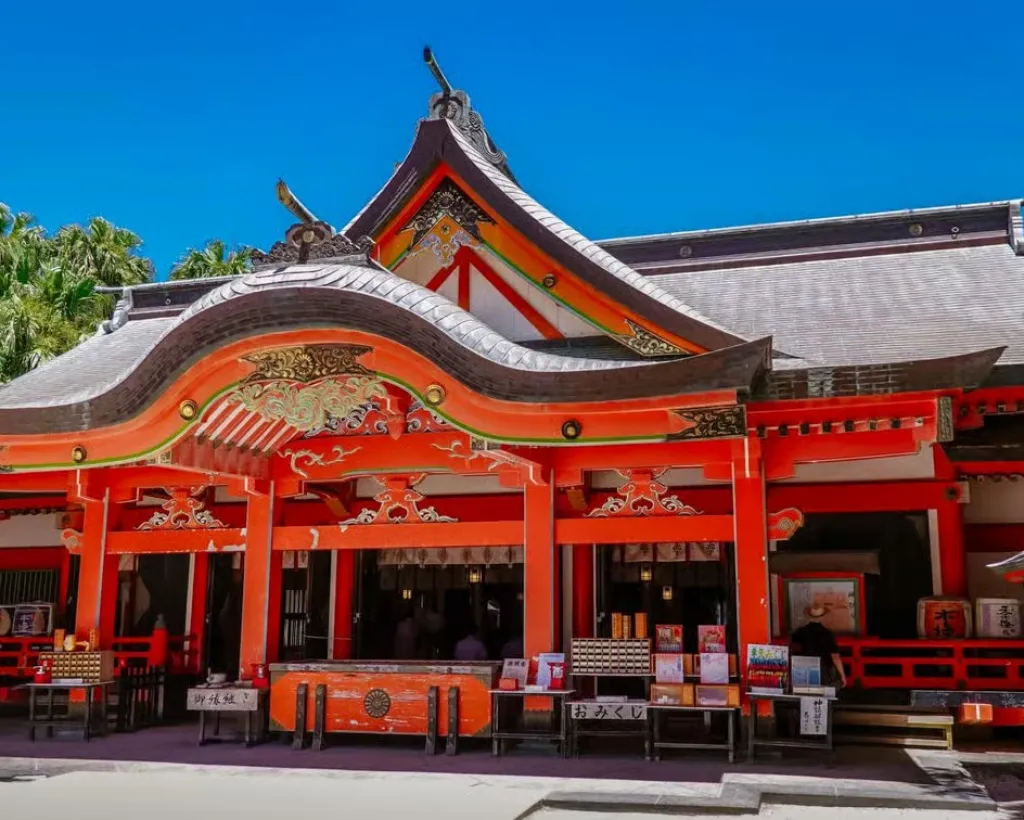
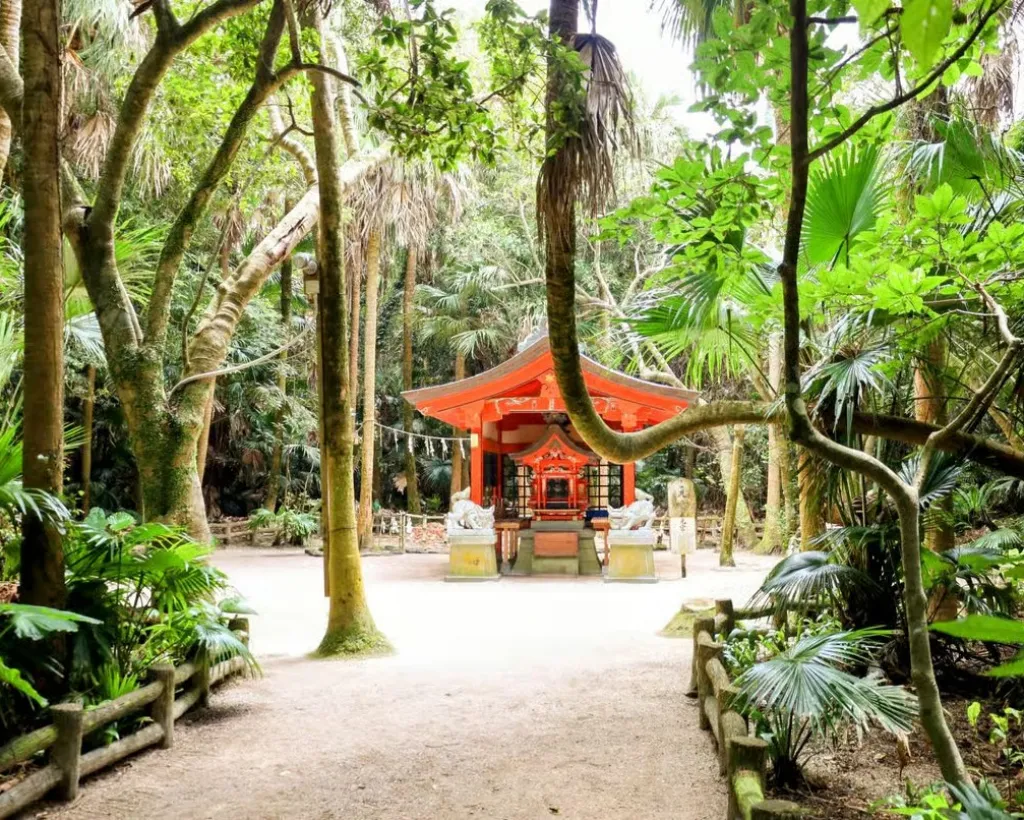
From there, move into the heart of the island at Aoshima Shrine and its inner sanctuary. Discover how shrine worship works in practice and learn the meaning behind everyday gestures that visitors often imitate without understanding, such as purification, offering, and prayer.
Finally, visit one of Aoshima’s most distinctive natural wonders: the “Devil’s Washboard,” a striking pattern of wave-like rock formations along the shore. Connect mythic imagination to scientific reality, exploring how unusual landscapes become sacred in the human mind and how coastal geology can shape stories, symbols, and local identity.
Visit the Hyuga Mythology Museum, where you’ll gain a clear, accessible overview of Japanese myth and its core themes—divine ancestry, heroic trials, and the relationship between human society and the natural world. Learn why Aoshima has been revered for centuries.
From there, move into the heart of the island at Aoshima Shrine and its inner sanctuary. Discover how shrine worship works in practice and learn the meaning behind everyday gestures that visitors often imitate without understanding, such as purification, offering, and prayer.
Finally, visit one of Aoshima’s most distinctive natural wonders: the “Devil’s Washboard,” a striking pattern of wave-like rock formations along the shore. Connect mythic imagination to scientific reality, exploring how unusual landscapes become sacred in the human mind and how coastal geology can shape stories, symbols, and local identity.
