


 2 - 2.5 hours
 Available languages: English
 1-6
1-6

 Immediate Booking
  Request Booking
Experience details
Begin your journey by entering Nagasaki through its distinctive hillside geography—an urban landscape shaped by steep terrain, layered neighborhoods, and viewpoints that naturally frame the relationship between religion, community, and place.
As you walk toward Oura Cathedral, your guide introduces the city’s unique “prayer triangle,” a striking area where a shrine, a Buddhist temple, and a Christian church can be seen within a single view, offering a clear and memorable window into the religious complexity of Nagasaki and the way multiple traditions have coexisted, competed, and adapted over time.
This approach also makes the city’s slopes meaningful rather than inconvenient, explaining why churches were often built on elevated ground and how topography shaped both daily life and the visibility of faith.
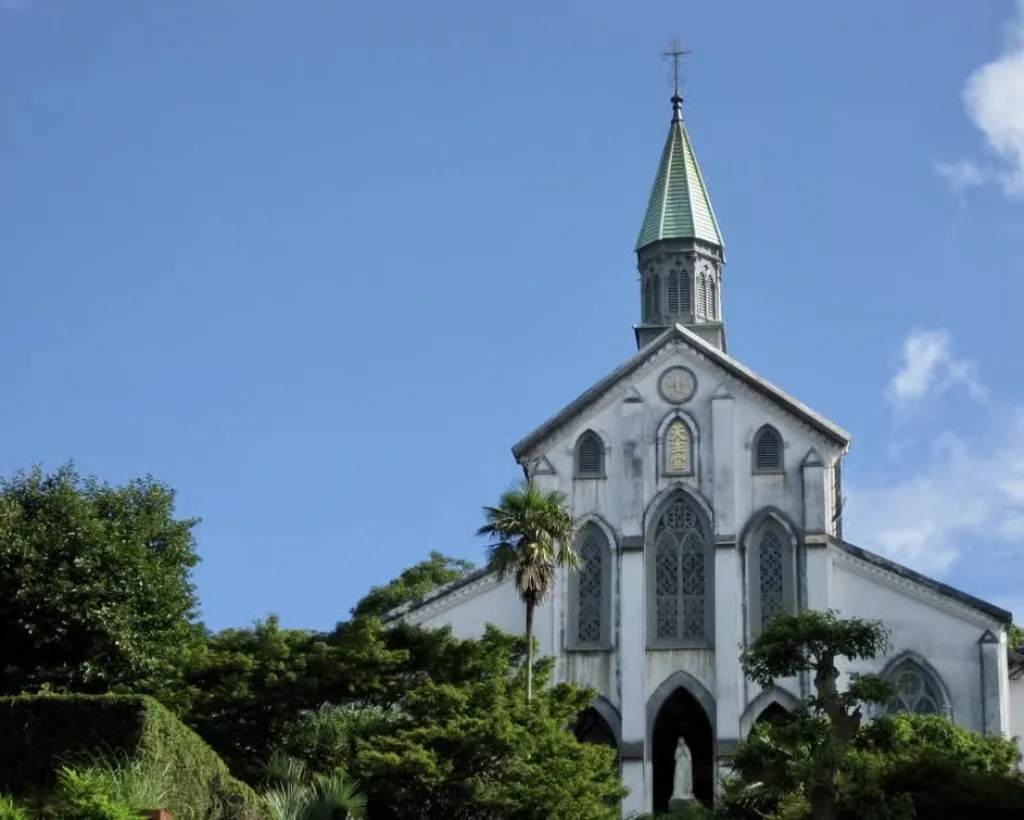
At Oura Cathedral—Japan’s oldest surviving Christian church—explore the dramatic history of Christianity in Japan, from early missionary activity and severe persecution to the extraordinary moment of rediscovery when hidden believers revealed their faith after centuries of secrecy.
The cathedral visit is framed not as a museum-like listing of facts, but as a human story of identity, resilience, and belief under pressure, set against the larger backdrop of the late Edo period, the opening of Nagasaki to foreign contact, and the rapid shift toward a modern nation-state.
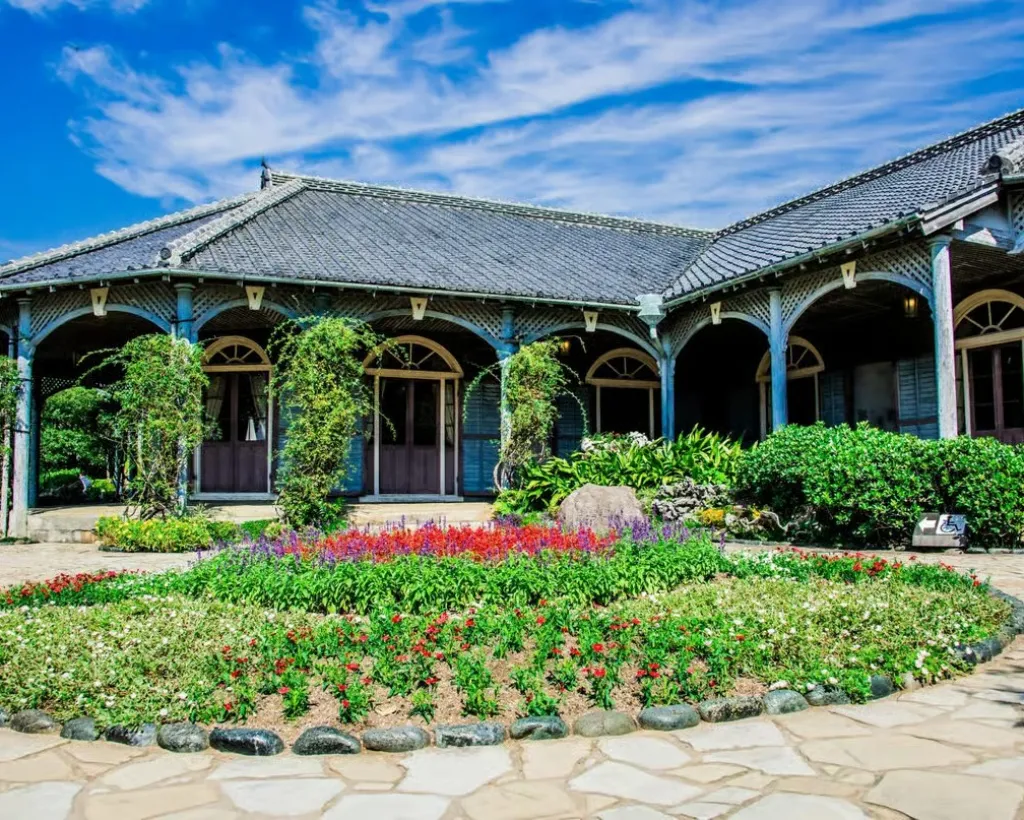
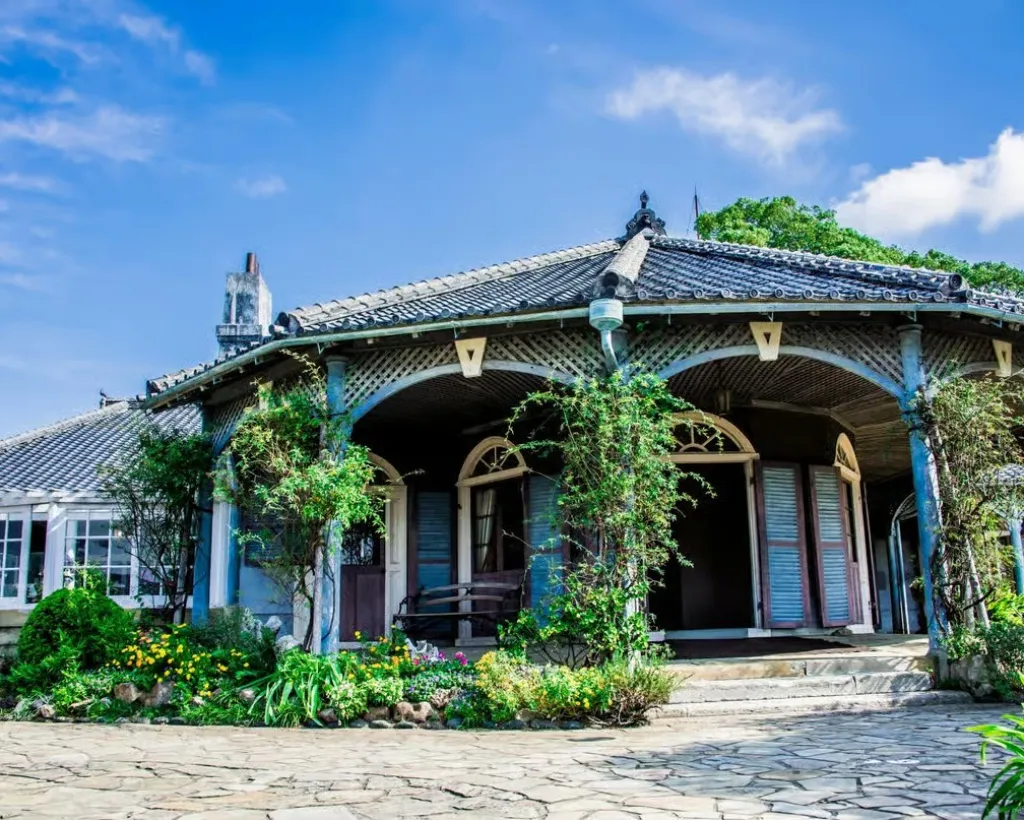
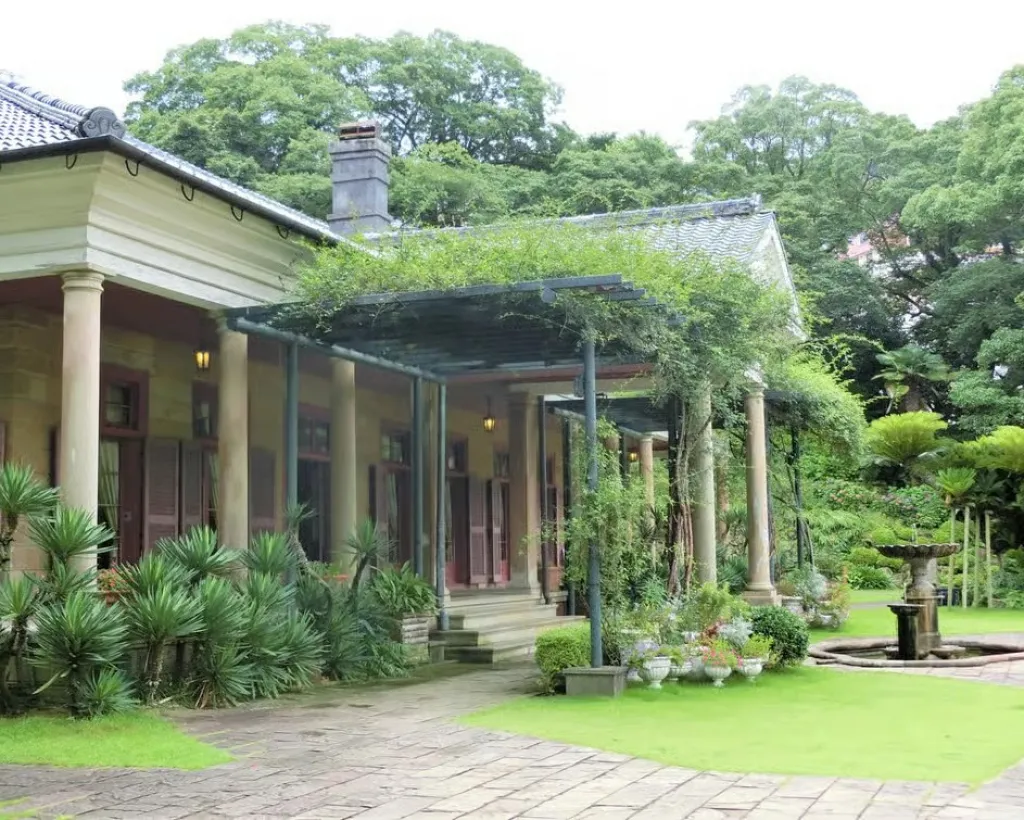
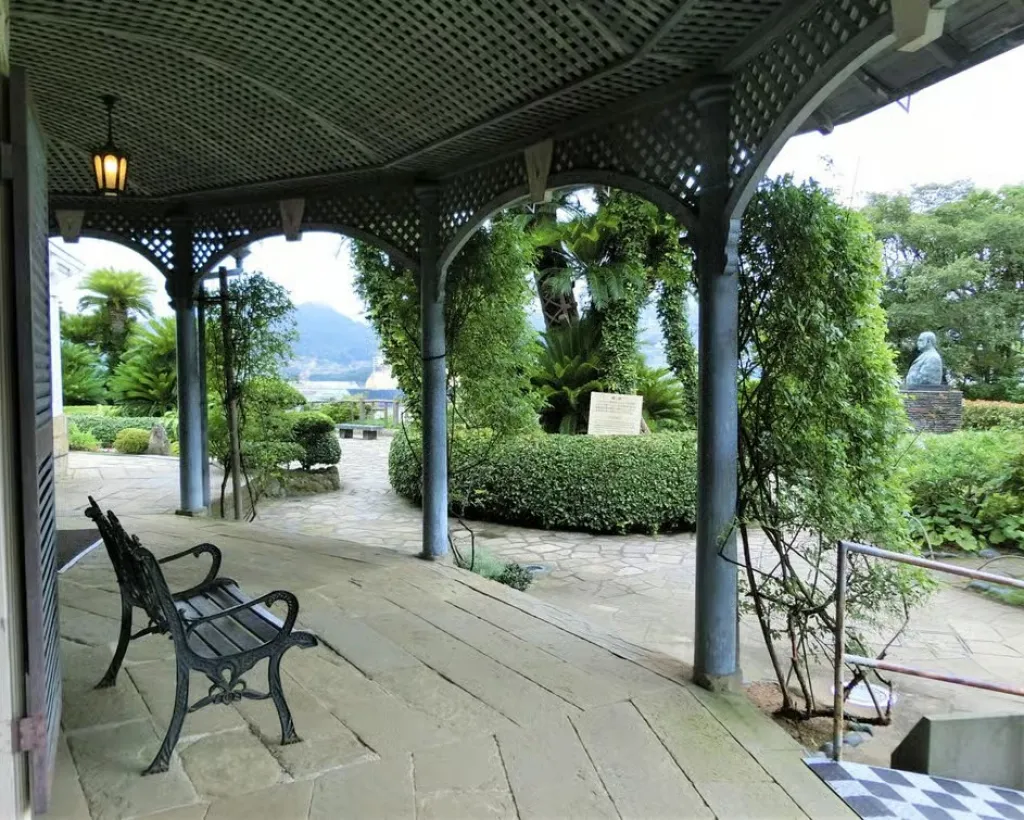
Continue seamlessly to Glover Garden, an open-air collection of Western-style residences overlooking the harbor, where architecture becomes evidence of a changing world: international trade, new technology, and the everyday realities of cross-cultural life in the Meiji era.
Following the garden’s route, your guide connects each residence to the broader story of modernization—not as an abstract national timeline, but as something that took physical form in the streets people walked, the homes they built, and the views they lived with.
As you walk toward Oura Cathedral, your guide introduces the city’s unique “prayer triangle,” a striking area where a shrine, a Buddhist temple, and a Christian church can be seen within a single view, offering a clear and memorable window into the religious complexity of Nagasaki and the way multiple traditions have coexisted, competed, and adapted over time.
This approach also makes the city’s slopes meaningful rather than inconvenient, explaining why churches were often built on elevated ground and how topography shaped both daily life and the visibility of faith.
At Oura Cathedral—Japan’s oldest surviving Christian church—explore the dramatic history of Christianity in Japan, from early missionary activity and severe persecution to the extraordinary moment of rediscovery when hidden believers revealed their faith after centuries of secrecy.
The cathedral visit is framed not as a museum-like listing of facts, but as a human story of identity, resilience, and belief under pressure, set against the larger backdrop of the late Edo period, the opening of Nagasaki to foreign contact, and the rapid shift toward a modern nation-state.
Continue seamlessly to Glover Garden, an open-air collection of Western-style residences overlooking the harbor, where architecture becomes evidence of a changing world: international trade, new technology, and the everyday realities of cross-cultural life in the Meiji era.
Following the garden’s route, your guide connects each residence to the broader story of modernization—not as an abstract national timeline, but as something that took physical form in the streets people walked, the homes they built, and the views they lived with.
