


 2.5 - 3 hours
 Available languages: English
 1-6
1-6

 Immediate Booking
  Request Booking
Experience details
Begin your tour at the nearest station to Sengan-en or with an optional departure from Kagoshima-Chuo Station. Travel together by train to the Sengan-en area. Along the way, listen to your guide's commentary on the city’s geography and historical development, enriching the experience even before arriving at the main site.
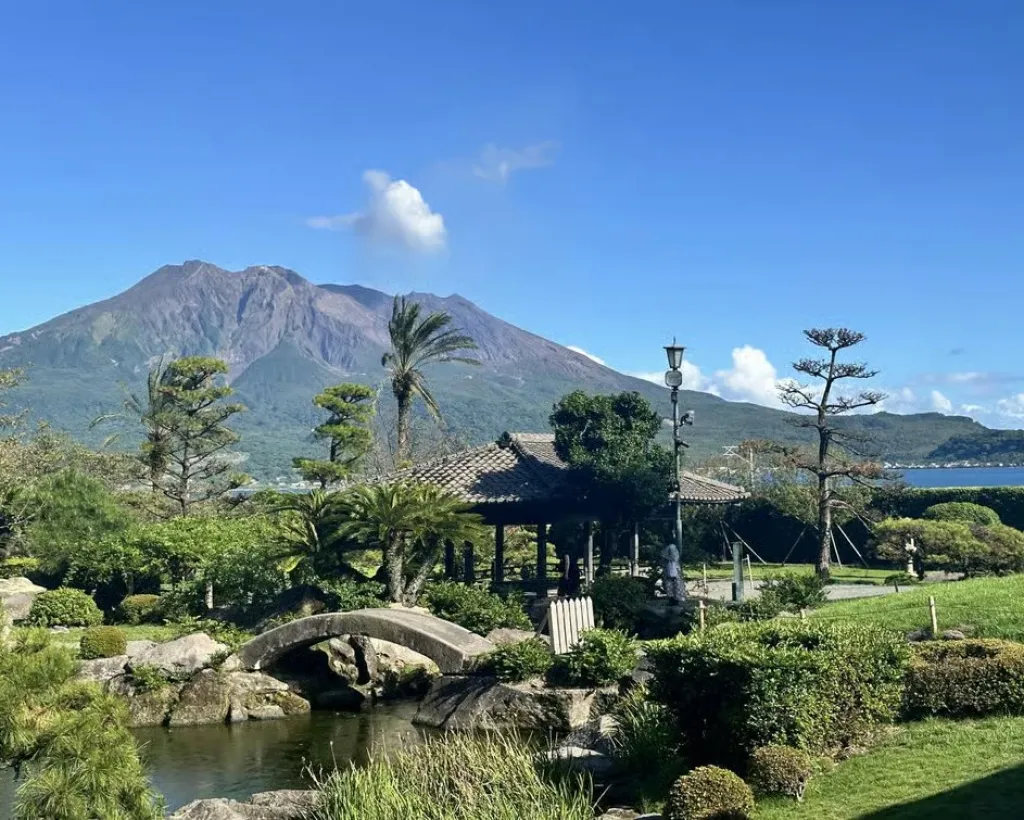
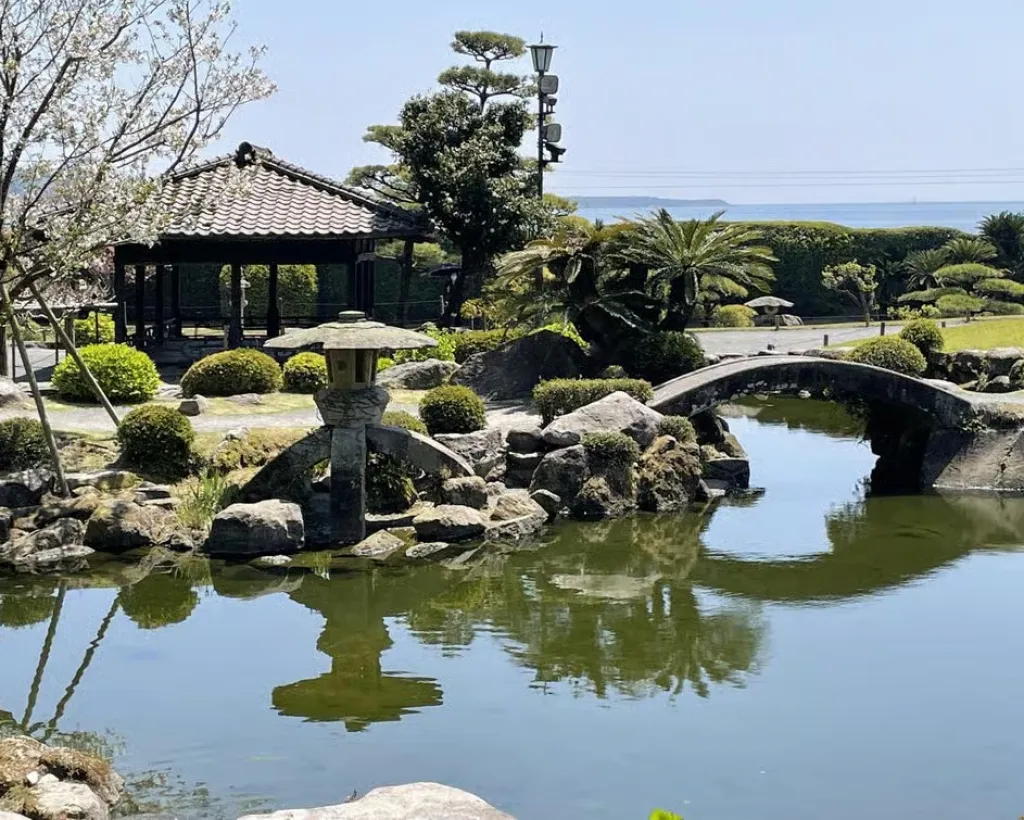
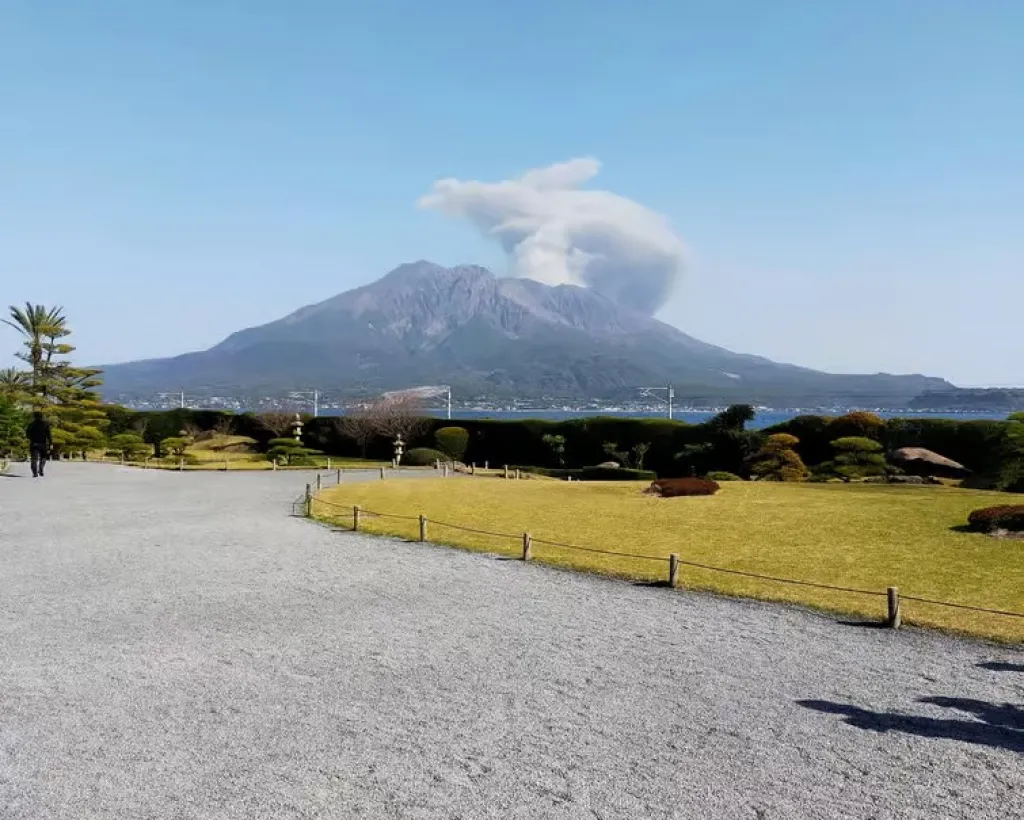
At the heart of the tour is Sengan-en, a spacious estate created in the 17th century by the Shimazu clan, the powerful lords of Satsuma. As you pass through the historic gate and enter the garden, be greeted by a carefully composed landscape that incorporates Sakurajima as a “borrowed view,” an advanced technique in Japanese garden design.
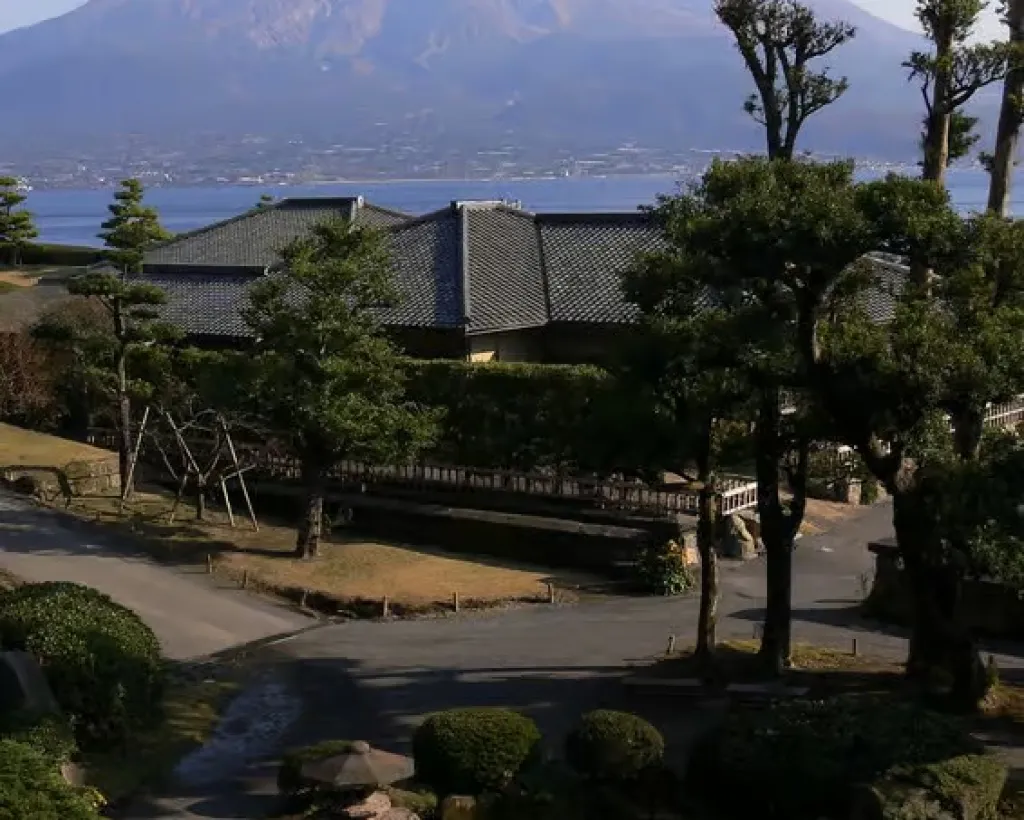
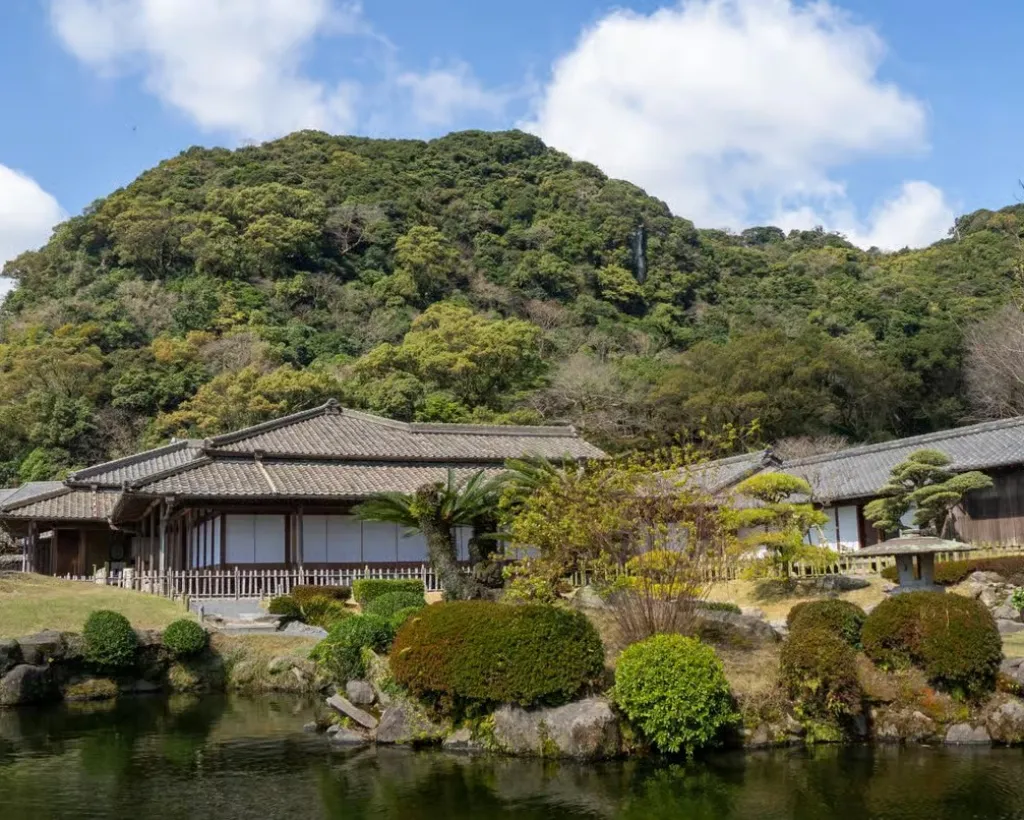
While strolling through the grounds and visiting the former residence of the Shimazu family, hear about the origins of Japanese garden culture, the aesthetic principles behind daimyo gardens, and how these spaces functioned as symbols of political power, cultural sophistication, and hospitality. The elegance and harmony of the garden stand as a reflection of the Shimazu clan’s vision and authority.
Beyond its beauty, Sengan-en is also a living testament to Japan’s early industrialization. Just outside the garden, see the remains of a reverberatory furnace, an important site that illustrates how the Satsuma Domain actively experimented with Western technology during the late Edo period.
Here, learn about the historical context of the Bakumatsu era and how the Shimazu leadership pursued industrial development, including iron production and modern weaponry, long before Japan officially opened to the world. These efforts laid essential groundwork for the rapid modernization that followed the Meiji Restoration.
Next, visit a Shinto shrine closely associated with the Shimazu family, offering insight into the spiritual values and beliefs that supported the domain’s leadership. Through a hands-on shrine visit, learn how religion, loyalty, and governance were deeply intertwined in samurai society, shaping both daily life and long-term political decisions.
The experience culminates at the Shoko Shuseikan Museum, where the story of Satsuma’s industrial ambitions comes together in a comprehensive and accessible way. Exhibits detail the so-called “Shuseikan Project,” the Shimazu clan’s large-scale initiative to introduce Western science, engineering, and manufacturing to Japan.
By connecting the garden, industrial remains, and museum displays, gain a clear understanding of why this area is recognized as part of the Sites of Japan’s Meiji Industrial Revolution, and how Kagoshima contributed to a turning point in world history.
At the heart of the tour is Sengan-en, a spacious estate created in the 17th century by the Shimazu clan, the powerful lords of Satsuma. As you pass through the historic gate and enter the garden, be greeted by a carefully composed landscape that incorporates Sakurajima as a “borrowed view,” an advanced technique in Japanese garden design.
While strolling through the grounds and visiting the former residence of the Shimazu family, hear about the origins of Japanese garden culture, the aesthetic principles behind daimyo gardens, and how these spaces functioned as symbols of political power, cultural sophistication, and hospitality. The elegance and harmony of the garden stand as a reflection of the Shimazu clan’s vision and authority.
Beyond its beauty, Sengan-en is also a living testament to Japan’s early industrialization. Just outside the garden, see the remains of a reverberatory furnace, an important site that illustrates how the Satsuma Domain actively experimented with Western technology during the late Edo period.
Here, learn about the historical context of the Bakumatsu era and how the Shimazu leadership pursued industrial development, including iron production and modern weaponry, long before Japan officially opened to the world. These efforts laid essential groundwork for the rapid modernization that followed the Meiji Restoration.
Next, visit a Shinto shrine closely associated with the Shimazu family, offering insight into the spiritual values and beliefs that supported the domain’s leadership. Through a hands-on shrine visit, learn how religion, loyalty, and governance were deeply intertwined in samurai society, shaping both daily life and long-term political decisions.
The experience culminates at the Shoko Shuseikan Museum, where the story of Satsuma’s industrial ambitions comes together in a comprehensive and accessible way. Exhibits detail the so-called “Shuseikan Project,” the Shimazu clan’s large-scale initiative to introduce Western science, engineering, and manufacturing to Japan.
By connecting the garden, industrial remains, and museum displays, gain a clear understanding of why this area is recognized as part of the Sites of Japan’s Meiji Industrial Revolution, and how Kagoshima contributed to a turning point in world history.
